
Modern oncology is currently witnessing a paradigm shift where the brute force of systemic chemotherapy is being replaced by sophisticated molecular delivery systems designed to spare healthy tissue. While traditional treatments often ravage the entire body to reach a localized tumor, the development of next-generation chemical warheads represents a significant leap toward true medical precision. These advanced payloads are essentially ultra-potent toxins linked to monoclonal antibodies that seek out specific proteins on cancer cells. By attaching these lethal agents to a homing device, researchers can administer doses that would be fatal if delivered systemically. This breakthrough addresses the primary challenge of cancer therapy: the narrow therapeutic window between killing the tumor and poisoning the patient. As clinical trials progress through late 2026, the focus has moved beyond merely finding the target to perfecting the release mechanism of the payload itself.
Engineering Precision: Linker Stability and Payload Release
The efficacy of these new chemical warheads depends heavily on the stability of the linker that connects the toxic payload to the antibody carrier. Historically, premature cleavage of this linker resulted in the systemic release of the drug, leading to severe side effects that targeted therapy was intended to avoid. Current engineering efforts focus on creating enzymatically sensitive linkers that remain completely inert while circulating in the bloodstream but disintegrate rapidly once internalized by a cancer cell. This specific trigger mechanism ensures that the warhead is only detonated inside the acidic or enzyme-rich environment of the lysosome within the target cell. By refining these chemical bonds, developers successfully reduced the incidence of neutropenia and hepatotoxicity. These side effects were common roadblocks in earlier versions. This level of control allows for the use of significantly more cytotoxic agents than were previously deemed safe for human use in oncology.
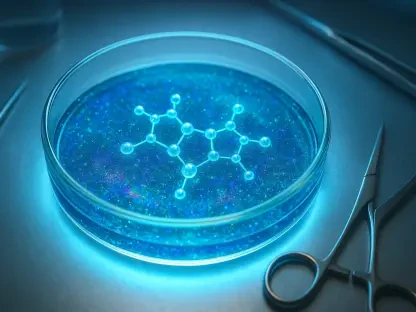
Beyond linker stability, the physical properties of the warhead itself play a crucial role in determining how well the treatment penetrates deep into solid tumor masses. Many older targeted therapies struggled with large-molecule limitations, where the drug would only coat the outer layers of a tumor while the core remained untouched. New chemical payloads are being designed with optimized hydrophobicity and molecular weight to encourage better distribution throughout the cancerous tissue. Furthermore, the selection of the warhead is no longer limited to DNA-damaging agents; researchers are now integrating microtubule inhibitors and topoisomerase I inhibitors that offer different modes of action. This diversity in the chemical arsenal allows clinicians to tailor treatments based on the specific genetic profile and resistance patterns of an individual patient’s tumor. The result is a more resilient therapeutic strategy that can adapt to the evolving nature of the disease.
Clinical Implementation: Safety Outcomes and Diagnostic Integration
One of the most significant advantages of the modern chemical warhead is the ability to leverage the bystander effect to treat heterogeneous tumors effectively. In many cancers, not every cell expresses the target protein, allowing some malignant cells to evade traditional targeted therapies and cause a relapse. However, newly developed payloads are designed to be membrane-permeable after they have been released within the primary target cell. Once the original cell is destroyed, the toxic molecules diffuse into the immediate surrounding area, killing neighboring cancer cells even if they lack the specific surface marker. This localized cloud of toxicity maximizes the impact of the treatment while still preventing the drug from entering the general systemic circulation in high concentrations. This nuance in chemical design has led to significantly improved progression-free survival rates in clinical studies observed during the first half of 2026, marking a turning point in treatment.
The transition toward these highly specialized chemical warheads necessitated a radical reimagining of how oncology drugs were manufactured and regulated. To ensure long-term success, pharmaceutical companies adopted real-time monitoring of payload stability throughout the supply chain, from synthesis to the point of care. It became clear that the next actionable step involved the development of companion diagnostics that could predict exactly which patient would benefit from a specific warhead-antibody combination. Clinicians looked toward integrating genomic sequencing with these targeted therapies to eliminate the trial-and-error approach that previously defined cancer care. By prioritizing the development of diverse payload libraries, the medical community moved toward a future where treatment was as unique as the tumor itself. Stakeholders focused on streamlining regulatory pathways for site-specific conjugation technologies, which ultimately expanded global access to these innovations through 2027.