
Introduction
Recent veterinary breakthroughs suggest that the silent deterioration of muscle mass in aging canines might finally have a detectable genetic signature that identifies early signs of physical decline. This syndrome, known as cachexia, often acts as a shadow to malignant tumors, weakening the body long before the cancer itself reaches its peak. Understanding the molecular drivers behind this decline is essential for improving the lifespan and physical comfort of senior pets.
This exploration delves into how specific microRNAs function as biological indicators, offering a new lens through which clinicians can view the progression of systemic physical decline. The objective is to examine how these non-coding molecules regulate gene expression and fluctuate in the presence of chronic disease. Readers can expect to learn about specific markers that signal muscle wasting and the broader implications for comparative oncology.
The Investigation: Key Questions and Critical Topics
What Is the Role of MicroRNAs in Canine Cancer Cachexia?
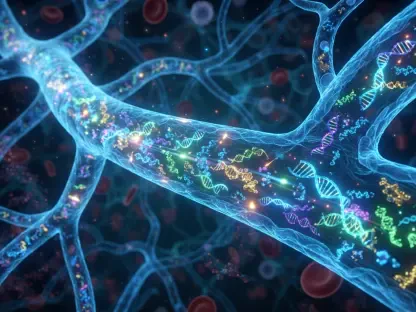
MicroRNAs act as regulatory switches within the cellular environment, controlling how genes are expressed and proteins are produced. In the context of chronic illnesses, these molecules fluctuate significantly, reflecting the internal battle between the immune system and the disease. When muscle wasting or cachexia begins, the body undergoes metabolic shifts that alter the concentration of these markers in the bloodstream.
Research focusing on senior dogs identified a distinct downward trend in miR-15a, miR-15b, miR-16, and miR-140 when cachexia was present. These decreases suggest that the loss of these regulators contributes to the acceleration of muscle degradation. Among these, miR-16 stands out as a robust indicator, providing a reliable signal for veterinarians to identify physical wasting earlier than traditional visual assessments allow.
Why Are the Findings Regarding miR-140 and Female Dogs Significant?
The study revealed a nuanced link between sex-specific biology and miR-140, a molecule recognized for its anti-inflammatory properties. In female dogs, especially those with reproductive or mammary gland tumors, levels of this microRNA were notably lower than in healthy counterparts. This suggests that certain cancers may inherently suppress these protective molecules even before the physical signs of wasting become apparent.
When these female subjects also exhibited signs of cachexia, miR-140 levels plummeted even further. This indicates that while the tumor itself initiates a decline, the cachexia process adds a secondary layer of suppression. Such a discovery highlights the complexity of pathological pathways, suggesting that estrogen-related cancers and muscle-wasting syndromes might operate through distinct but converging mechanisms.
How Does This Veterinary Research Benefit Human Medicine?
Comparative oncology operates on the principle that because dogs share our environments and biological traits, they serve as excellent mirrors for human health. The way a canine body reacts to cancer-related inflammation is remarkably similar to the human physiological response. Identifying these microRNA signatures in pets provides a blueprint for developing diagnostic tools for human patients at risk of severe muscle loss.
These findings pave the way for targeted therapeutic interventions aimed at stabilizing microRNA levels to prevent atrophy. If scientists can maintain the expression of miR-15 or miR-16, it might be possible to preserve physical strength across species. This application emphasizes that the bond between pets and people extends into the very fabric of medical discovery and long-term healthcare strategies.
Summary or Recap
The identification of these circulating microRNA markers marks a significant step toward proactive cancer management. Monitoring the levels of miR-15a, miR-15b, miR-16, and miR-140 allows clinicians to understand a patient’s internal state before symptoms become severe. The data confirms that these molecular signals are deeply tied to the inflammatory and metabolic processes that drive physical decline.
Furthermore, the nuances found in female patients suggest that personalized diagnostic approaches might be necessary for more effective care. This systematic approach provides a framework for identifying physical decline through simple blood analysis rather than waiting for visible atrophy. These insights offer a foundation for further exploration into molecular diagnostics.
Conclusion or Final Thoughts
The investigation into canine microRNAs established a clear link between molecular regulation and the physical manifestation of cancer-associated wasting. This research highlighted the potential for non-invasive blood tests to replace subjective methods of monitoring patient health. Future focus shifted toward applying these genetic insights to create specialized nutritional and medicinal protocols that could mitigate the effects of cachexia.
By bridging the gap between molecular biology and clinical observation, the findings offered a renewed sense of hope for enhancing the quality of life for aging companions. This work signaled a transition in how chronic diseases are managed, prioritizing early intervention over reactive treatment. Stakeholders should now consider how these molecular clues can be integrated into routine geriatric veterinary screenings.