
The shift from digital molecular design to physical realization is becoming increasingly accessible as automated lab hardware follows the rapid growth of AI software. This convergence has allowed independent researchers to bypass the gatekeepers of traditional pharmaceutical institutions,

The ability to detect regulatory signals in rare cell states provides a functional hypothesis-generating resource for prioritizing causal variants in large-scale genetic studies. Scientists have long observed that two individuals of similar age and health can experience radically different outcomes

Bypassing traditional bureaucratic bodies like the World Health Organization may allow for more agile and direct coordination between the U.S. and China on biosecurity. As we navigate the complex landscape of 2026, the intersection of advanced large language models and synthetic biology has
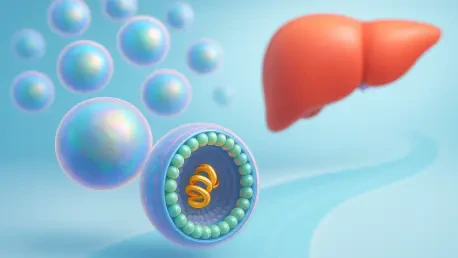
The rhythmic twitch of a scorpion’s tail has long signaled a lethal threat to the unwary, but today that same biological weaponry is being repurposed into a sophisticated pharmaceutical instrument for mending the human liver. While these arachnids have survived for hundreds of millions of years by

The synthesis of combination therapies and early detection creates a feedback loop that amplifies the effectiveness of modern cancer treatment protocols. This paradigm shift means oncologists no longer view cancer as a static entity confined to a single organ like the lung or breast. Instead, they
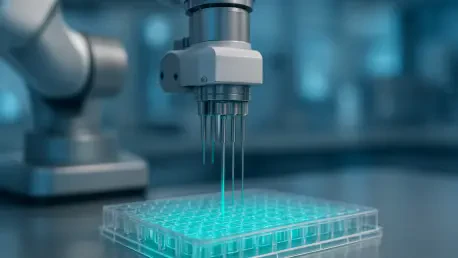
Data filtering initiatives, such as excluding eukaryotic viruses from training sets, represent the first steps in preventing AI models from learning how to design human pathogens. This protective measure is increasingly vital as the intersection of artificial intelligence and the life sciences