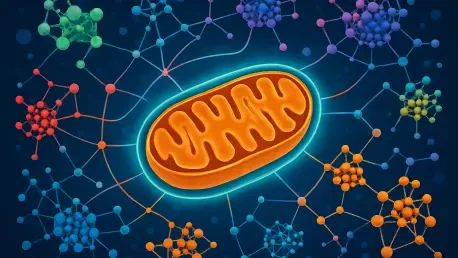

Modern metabolic research has long been stymied by the fact that nearly one-third of the proteins residing within human mitochondria remain functionally anonymous, leaving critical gaps in the understanding of how cellular energy translates into physiological health or systemic disease. This functional mystery acts as a bottleneck for precision medicine, as the biological roles of these proteins must be understood before effective therapeutic interventions can be designed. The emergence of AI-driven interactome mapping offers a solution by inferring protein functions through their interaction networks. By predicting which proteins bind together, researchers can finally hypothesize the roles of previously “dark” proteins based on the interactions they maintain within the cellular machinery.
Evolution of AI-Driven Mitochondrial Analysis
The transition from manual biochemical assays to computational modeling marks a pivot point in the history of proteomics. For years, the identification of protein-to-protein interactions relied on physical laboratory experiments that, while accurate, were prohibitively slow and expensive. These traditional methods were ill-equipped to handle the exponential complexity of the 1,100 proteins known to exist within the mitochondria. The evolution toward AI-augmented discovery was driven by the need to screen hundreds of thousands of potential combinations in a timeframe that matches the urgency of modern medical needs.
This technology emerged from the broader structural biology landscape, where the focus has shifted from merely observing proteins to predicting their behavior in complex systems. It represents a maturation of computational tools that can now simulate the messy, crowded environment of a living cell. By providing a digital framework for what was once a purely manual endeavor, this technology has elevated mitochondrial research into the era of big data, making it possible to visualize the entire organelle’s functional architecture at once.
Core Architectural Components: Mitochondrial Mapping
Leveraging AlphaFold-Multimer: Complex Interactions
AlphaFold-Multimer represents a sophisticated iteration of earlier AI models that only predicted individual protein structures. This specific tool moves beyond static geometry to predict the dynamic binding affinities between multiple distinct protein chains. By analyzing the amino acid sequences of mitochondrial proteins, the system identifies potential docking sites and structural compatibility. This capability is unique because it accounts for the complex fold changes that occur when proteins interface, a feature that older structural predictors frequently lacked.
The performance of this component is measured by its ability to distinguish between random proximity and actual biochemical partnership. Its significance in the overall system cannot be overstated, as it serves as the primary engine for hypothesis generation. By providing high-confidence 3D models of protein complexes, it allows scientists to see exactly how two proteins might fit together, which in turn suggests the specific chemical reactions they might facilitate within the mitochondrial matrix.
High-Throughput Screening: The Mitochondrial Proteome
The high-throughput approach utilized in this mapping effort evaluated over 630,000 potential protein pairings, a feat that would be impossible using traditional laboratory techniques. This process identified nearly 3,000 high-probability interactions, more than half of which were previously entirely unknown to science. The significance of this data lies in its ability to assign potential biological contexts to dozens of proteins that had no prior functional annotations. This massive data set provides a foundational map that allows researchers to move from blind exploration to targeted validation.
In real-world usage, this screening functions as a powerful filtering mechanism. Instead of spending years testing random protein combinations, scientists can now consult a prioritized list of likely interactions. This maximizes the efficiency of laboratory resources and accelerates the timeline for discovering new biological pathways. The scale of this screening represents a move toward comprehensive “interactome” mapping, where every possible connection is considered to ensure no vital metabolic link is overlooked.
Current Trends: Computational Proteomics
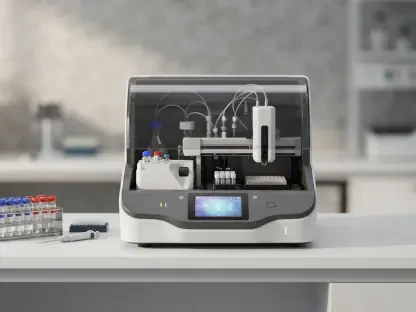
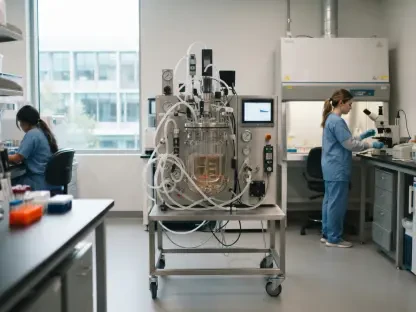
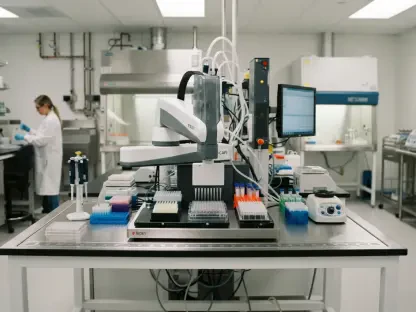
As of 2026, the trend in computational biology is shifting toward decentralized, open-access resources such as the MitoMatch platform. This initiative allows specialized laboratories across the globe to bypass the initial discovery phase and move directly into experimental testing. The integration of AI into traditional biochemistry labs signifies that these tools are no longer reserved for computer scientists. Instead, they have become essential equipment for the modern biologist, much like the microscope or the centrifuge.
Moreover, there is a growing shift in industry behavior toward “augmented” biochemistry, where digital predictions and physical experiments exist in a continuous feedback loop. This trend is moving the field away from the “one protein at a time” philosophy and toward a more holistic understanding of cellular systems. The industry is increasingly favoring platforms that offer both predictive power and empirical validation, ensuring that the speed of AI does not compromise the accuracy required for medical applications.
Real-World Applications: Medical Impact
The medical impact of this mapping is most visible in the study of metabolic and neurodegenerative diseases. By uncovering interactions within copper pathways, for instance, the AI has provided new leads for treating rare metabolic disorders and common conditions like Alzheimer’s disease. These discovered interactions serve as potential drug targets; if a disease is caused by a failure in protein binding, therapies can now be developed to stabilize those specific connections. This level of precision was previously unattainable without a comprehensive interactome.
Furthermore, this technology is being deployed in the diagnosis of inherited mitochondrial disorders. In cases where a genetic mutation is identified but its effects are unknown, the interactome map can reveal which protein-protein interactions are likely disrupted. This helps clinicians understand the underlying pathology of a patient’s condition, leading to more personalized treatment strategies. The deployment of these maps in clinical research represents a significant step toward making mitochondrial medicine a proactive rather than a reactive field.
Technical Challenges: Validation Hurdles
Despite the speed of AI, technical hurdles remain regarding the accuracy of false-positive predictions. The computational model may suggest a partnership that is structurally possible but biologically irrelevant due to spatial or temporal separation within the cell. Consequently, these AI predictions still require rigorous empirical validation in living cell models to ensure they reflect reality. This creates a two-step hurdle where the speed of AI is still constrained by the necessary pace of biological replication, highlighting that AI is a guide rather than a replacement for physical proof.
Regulatory and market obstacles also affect the widespread adoption of AI-generated maps in drug development. Validation efforts often require years of follow-up studies in yeast or human cell models to confirm a single interaction. There is an ongoing effort to improve the “biological awareness” of AI models, incorporating data about where and when proteins are expressed to reduce the number of false leads. Addressing these limitations is essential for maintaining the credibility of AI in the high-stakes environment of medical research.
Future Horizons: AI-Augmented Biochemistry
Looking ahead from 2026 to 2030, the scope of interactome mapping is expected to expand beyond the mitochondria to include the entire human proteome. This expansion will likely lead to a new era of predictive diagnostics, where a patient’s unique genetic sequence could be run through AI models to predict specific protein interaction failures before symptoms appear. The long-term societal impact involves a shift toward preventive healthcare, where interventions are based on structural biology rather than reactive symptom management.
Potential breakthroughs may include the real-time simulation of protein interactions under different drug stresses, allowing for “virtual clinical trials” that could weed out ineffective compounds before they ever reach a human subject. This would drastically lower the cost of pharmaceutical development and speed up the delivery of life-saving treatments. As AI models become more integrated with real-world biological data, the distinction between computational and experimental biology will continue to blur.
Assessment: AI-Driven Biological Mapping
The review of AI mitochondrial mapping showed that the technology successfully bridged a significant gap in metabolic science. The researchers effectively utilized AlphaFold-Multimer to identify thousands of new interactions, providing a valuable resource for the global medical community. This project proved that computational tools could significantly accelerate the discovery of therapeutic targets. Ultimately, the synthesis of AI and laboratory validation established a more efficient framework for biological research that shifted the focus from identification to implementation.
The actionable next steps for the industry involve the expansion of open-access databases and the refinement of AI models to include environmental variables. Future efforts should prioritize the validation of the remaining “dark” proteins to complete the mitochondrial map. By continuing to integrate these computational insights with rigorous laboratory standards, the scientific community can move toward a future where no cellular protein remains a mystery, and every metabolic disease has a defined structural target for intervention.