
As AI-driven drug development gains momentum, the pharmaceutical industry must reconcile rapid digital innovation with the strict regulatory demands of healthcare safety. The current landscape is defined by a significant ideological divide between Silicon Valley’s exponential growth models and the

Before a patient even enters the room, Tandem Health’s AI synthesizes complex medical histories into concise summaries to streamline the clinical consultation process. This innovative approach has paved the way for the Stockholm-based company to secure a landmark $100 million Series B funding

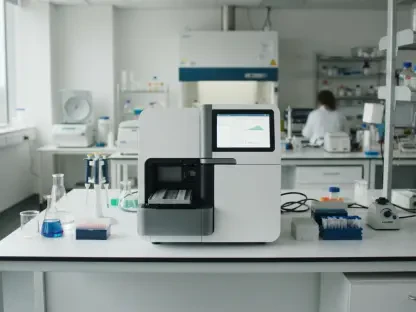
Reliability and standardization are the new metrics of success as the industry attempts to ensure that biological data is reproducible across different batches and global locations. This shift follows a decade of intense focus on the computational "dry lab" side of drug discovery, where artificial

A critical gap exists between the backend data management improvements offered by AI and the operational realities of onboarding coordinators at busy trial sites. As pharmaceutical companies transition away from legacy Electronic Data Capture systems toward more dynamic environments, the pressure

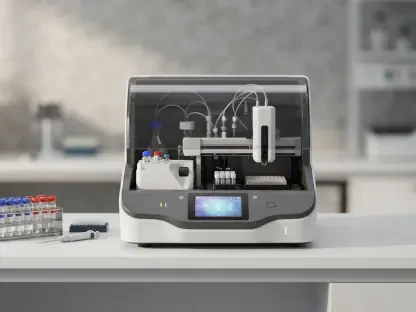
Autonomous laboratories are reducing the cost of innovation by allowing researchers to explore broad scientific domains with a minimal number of physical experiments. This shift represents a fundamental transformation in how LG AI Research approaches machine intelligence, moving away from broad,

Automated monitoring systems can track organoid morphology in real-time, providing critical data points that are nearly impossible to capture through manual inspection. This technological leap, driven by the collaboration between Molecular Devices and STEMCELL Technologies, addresses the historical