
The Asia-Pacific region has emerged as the dominant force in the digital health sector, fueled by rapid infrastructure investments and a large population requiring chronic care. This shift highlights a global movement in 2026 toward a medical model that prioritizes dynamic, real-time simulation over the static medical records of previous decades. At the heart of this transformation is the patient digital twin, a sophisticated virtual representation of an individual’s physiological state. By integrating data from wearable sensors, genetic sequencing, and high-resolution imaging, these platforms allow healthcare providers to mirror a person’s biological processes in a virtual environment. This capability enables physicians to apply advanced artificial intelligence to predict disease progression and assess treatment outcomes before any physical intervention occurs. This proactive approach is fundamentally changing how chronic conditions are managed, ensuring that clinical care is specifically tailored to the unique biological signature of every patient.
Financial Trajectory: The Economic Expansion of Virtual Simulations
In 2026, the economic landscape for patient digital twin platforms has reached a significant milestone, with the current market valuation sitting at approximately $4.06 billion. This represents a substantial increase from a valuation of $3.01 billion just one year ago, reflecting a compound annual growth rate of nearly 35 percent. This aggressive financial expansion is not merely a temporary trend but is grounded in the long-term necessity of addressing the rising global burden of chronic diseases. As healthcare systems seek to optimize resource allocation, the adoption of these virtual models has become a primary objective for both public and private health organizations. Industry analysts project that this momentum will continue throughout the decade, with the global market expected to exceed $13.28 billion by 2030. This sustained growth indicates that digital twins are no longer viewed as experimental concepts but as essential components of modern clinical infrastructure and financial planning.
The maturation of this market is further supported by the increasing affordability and accessibility of high-performance computing. In the current 2026 environment, even regional hospital systems can afford the computational power required to maintain complex digital simulations for their patient populations. This democratization of technology has allowed for the transition of digital twins from specialized research laboratories into mainstream clinical practice. Moreover, the integration of these platforms into hospital procurement strategies has driven down costs, making personalized medicine more viable on a larger scale. As the technology continues to evolve, the cost-to-benefit ratio has shifted in favor of early adoption, as predictive modeling significantly reduces the long-term expenses associated with failed treatments and avoidable emergency interventions. This financial viability ensures that the expansion of the digital twin sector will remain a cornerstone of the global healthcare economy for the next several years.
Data Integration: Enhancing Accuracy Through Electronic Health Records
The success of a patient digital twin depends entirely on the quality and depth of the data that fuels its algorithms. In 2026, Electronic Health Records (EHRs) serve as the fundamental data layer for these virtual models, providing the longitudinal clinical context required for accurate simulations. Recent years have seen a massive improvement in the interoperability of these records, allowing for a seamless flow of information between different healthcare providers and diagnostic facilities. In regions such as the European Union, patient access to these records via digital portals has reached approximately 80 percent, ensuring a steady stream of verified data for twin platforms. This high level of connectivity allows the digital twin to remain a living document, reflecting every change in a patient’s medical history. By leveraging this consistent influx of information, predictive models can be refined with much greater precision, ensuring that the virtual replica is an authentic representation of the physical body.
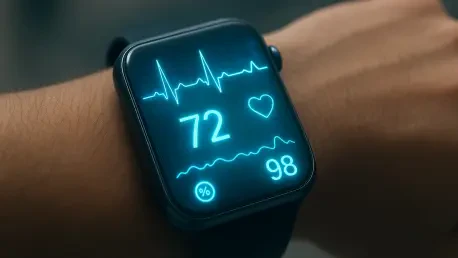
Beyond historical records, the integration of real-time data from wearable biosensors has added a dynamic dimension to these virtual platforms. Modern sensors in 2026 are capable of monitoring everything from continuous glucose levels to subtle changes in heart rate variability and blood oxygenation. When this real-time data is fed into a digital twin, the model can detect physiological deviations that might signal the early onset of a cardiovascular event or metabolic crisis long before symptoms become apparent to the patient. This constant feedback loop between the physical body and the virtual model represents a significant leap forward in preventative care. By combining the historical depth of EHRs with the immediate insights provided by modern biosensors, healthcare providers can maintain a comprehensive, 24-hour view of a patient’s health. This synthesis of data sources effectively breaks down the traditional silos of medical information, creating a single, cohesive source of truth for clinical decision-making.
Clinical Innovations: Leveraging Multi-Omics and Virtual Trials
One of the most significant technological trends observed in 2026 is the integration of multi-omics data into digital twin platforms. By combining genomics, proteomics, and metabolomics, these models now offer a holistic view of a patient’s biological state at a molecular level. This level of detail allows for highly precise disease modeling, particularly in the fields of oncology and rare genetic disorders. For instance, a clinician can use a digital twin to simulate how a specific genetic mutation will respond to various chemotherapy agents, identifying the most effective treatment with minimal toxicity. This precision ensures that patients are not subjected to the traditional trial-and-error approach that characterized previous eras of medicine. The ability to visualize biological interactions at such a granular level has turned the digital twin into an indispensable tool for precision medicine, allowing for the development of therapies that were previously impossible to design.
The pharmaceutical industry has also embraced digital twin technology through the implementation of virtual clinical trials. These trials use large cohorts of digital twins to simulate the effects of new drug candidates before moving to human subjects. This methodology has significantly accelerated the drug development timeline, allowing life-saving medications to reach the market much faster than in the past. Furthermore, using virtual populations reduces the risks associated with early-stage clinical experimentation, as potential side effects can be identified in a simulation. In the 2026 to 2028 window, this approach is expected to become the standard for pharmaceutical research, leading to a more efficient and ethically sound development process. By streamlining the path from discovery to delivery, virtual trials are helping to lower the costs of new medications while ensuring that they are safer and more effective for the diverse populations they are intended to serve.
Strategic Evolution: Transforming the Philosophy of Individualized Care
The implementation of patient digital twin platforms fundamentally altered the delivery of healthcare during the initial years of the current decade. Organizations that prioritized the integration of these models demonstrated a significant reduction in hospital readmissions and a more efficient allocation of clinical resources. By moving away from reactive treatments, these healthcare systems successfully proved that predictive simulations could mitigate the risks associated with complex surgical procedures and long-term pharmacological interventions. These early successes provided a vital blueprint for the universal adoption of precision medicine, illustrating that data-driven insights were capable of overcoming the limitations of traditional care models. The transition was supported by a massive investment in data infrastructure, which allowed for the seamless movement of information from patient biosensors directly into decision-making tools. This evolution ensured that the patient remained the central focus of the medical framework.
To sustain this progress, clinicians were encouraged to undergo specialized training in algorithmic interpretation, ensuring that human expertise remained a critical component of the predictive process. The integration of ethical safeguards also proved essential, as maintaining patient trust was paramount during the large-scale digitization of sensitive biological data. By establishing clear protocols for data privacy and transparency, the industry built a foundation for the next generation of medical innovation. These steps ultimately allowed for the creation of a global health network that was more resilient, responsive, and tailored to the unique physiological requirements of every individual. Moving forward, the focus shifted toward the refinement of these models to include environmental and lifestyle data, further expanding the predictive power of the digital twin. This comprehensive approach confirmed that the future of medicine lay in the ability to understand the human body as a dynamic, interconnected system rather than a collection of isolated symptoms.