
A critical gap exists between the backend data management improvements offered by AI and the operational realities of onboarding coordinators at busy trial sites. As pharmaceutical companies transition away from legacy Electronic Data Capture systems toward more dynamic environments, the pressure
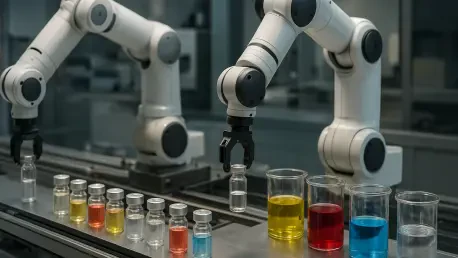
Autonomous laboratories are reducing the cost of innovation by allowing researchers to explore broad scientific domains with a minimal number of physical experiments. This shift represents a fundamental transformation in how LG AI Research approaches machine intelligence, moving away from broad,
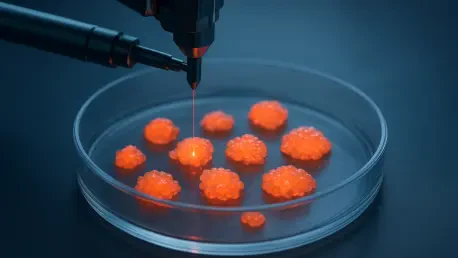
Automated monitoring systems can track organoid morphology in real-time, providing critical data points that are nearly impossible to capture through manual inspection. This technological leap, driven by the collaboration between Molecular Devices and STEMCELL Technologies, addresses the historical

The current landscape of pharmaceutical marketing is undergoing a profound transformation as the reliance on traditional, static targeting methods begins to wane in favor of more dynamic, data-driven strategies. The integration of PurpleLab’s data on three hundred thirty million patient lives

Rising demand for genomic research across Europe is pushing the regional automated nucleic acid extraction market toward a projected valuation of three billion dollars by 2035. This significant shift marks a definitive departure from traditional manual sample preparation methods that have long
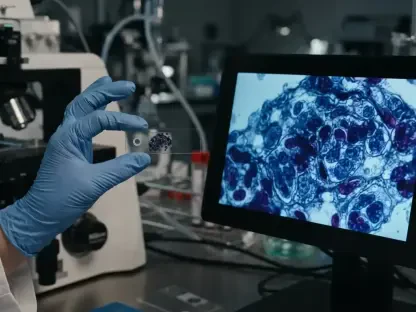
Digital imaging systems now allow for the examination of diseased tissue with such precision that minor scarring can be detected long before it threatens the viability of a transplant. This capability marks a fundamental departure from the traditional "one-size-fits-all" medical paradigm, signaling