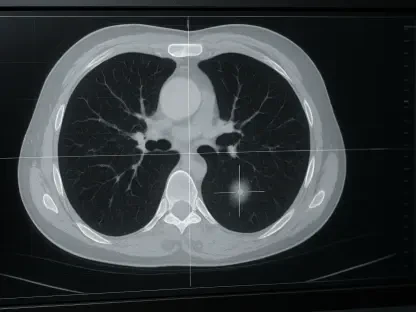

Modern drug discovery is shifting away from labor-intensive physical screening toward a hierarchical computational approach that merges machine learning with structural biology. This methodological evolution represents a major paradigm shift in oncology, where researchers at the Hangzhou Lin’an

Pharma developers must reconcile their mathematical models with biological reality to ensure that effective treatments for systemic lupus are not sidelined by outdated trial designs. The recent clinical development of enpatoran, a highly anticipated first-in-class treatment for systemic lupus

Mayo Clinic researchers have successfully developed an automation pipeline for pelvic radiation therapy that utilizes artificial intelligence to predict patient-specific side effects before treatment begins. This breakthrough serves as a centerpiece for the institution's massive presence at the

Small, fast, and precise Cas proteins are the next frontier for gene editing, but finding them requires scanning through massive amounts of genomic noise. In the current scientific landscape of 2026, the sheer volume of data produced by high-throughput sequencing has created a bottleneck that

Specialized startup incubators and technology translation centers are being built to move breakthrough laboratory research into the commercial clinical market. This initiative represents a fundamental shift in the national healthcare strategy, which is currently transitioning from a reactive
Baseline next-generation sequencing reveals that over 76 percent of lung cancer patients harbor additional genomic alterations that can shorten treatment durability. This statistic underscores the persistent challenge of managing advanced malignancies outside the sterile confines of traditional