
The appointment of industry veterans from Bristol Myers Squibb and Iovance Biotherapeutics highlights a major transition toward clinical-stage operations for cell therapy developers. This leadership influx comes at a pivotal moment for Link Cell Therapies as it progresses into the Phase I clinical

The Asia-Pacific region has emerged as the dominant force in the digital health sector, fueled by rapid infrastructure investments and a large population requiring chronic care. This shift highlights a global movement in 2026 toward a medical model that prioritizes dynamic, real-time simulation

A multi-layered screening strategy combining mammography and ultrasound offers the highest probability of catching treatable cancers at their most localized and manageable stage. As the landscape of preventive medicine continues to evolve in 2026, healthcare professionals are increasingly

Researchers are leveraging massive longitudinal datasets to distinguish meaningful biological signals from the background noise inherent in human stool samples. This evolution represents a departure from the antiquated model of gut health, which historically relied on static "snapshots" that

The relentless cycle of invasive eye injections for wet age-related macular degeneration has long remained the heaviest burden for patients who are struggling to preserve their vision. This central challenge defines the current management of retinal diseases, where the high frequency of treatments
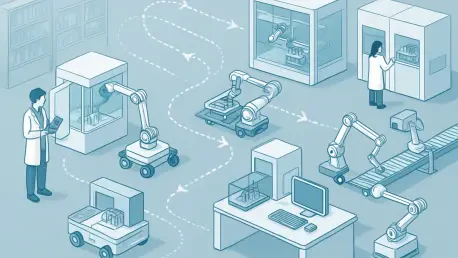
The proposed six-level autonomy framework provides a shared technical vocabulary for engineers and regulators to navigate the gradual handoff of tasks from humans to machines. This strategy, unveiled at the Roche Pharma Day, establishes a rigorous pathway for the integration of robotics and