
Before undergoing advanced cell therapy, Martha Durden-Scroggins experienced extreme physical fluctuations, oscillating between periods of stability and bouts of debilitating weakness. At seventy-one, her aggressive B-cell lymphoma had reached a critical juncture where conventional interventions no longer provided a reprieve. The emergence of Chimeric Antigen Receptor (CAR) T-cell therapy at the Feist-Weiller Cancer Center in Shreveport represented a sophisticated line of defense. This treatment, known as a living therapy, involves genetic engineering designed to empower the immune system to recognize and attack malignant cells that have learned to hide from natural defenses. For patients like Martha, the transition from a deteriorating state to complete remission is not merely a medical success but a profound shift in the oncology landscape. By bringing this biotechnology to North Louisiana, medical professionals are rewriting the survival scripts for many who had previously run out of other options.
The Science: of Cellular Engineering
Re-educating: the Body’s Natural Defenses
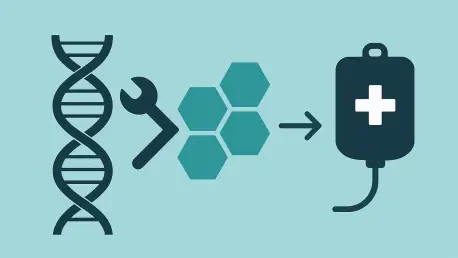
The fundamental mechanism of CAR T-cell therapy relies on the manipulation of a patient’s own immune architecture. The process begins with leukapheresis, where T-cells are harvested from the patient’s blood through a filtration system. These white blood cells are then transported to high-tech facilities where geneticists introduce a new piece of DNA using a viral vector. This material instructs the T-cells to produce Chimeric Antigen Receptors on their surfaces, which are calibrated to latch onto proteins on the surface of cancerous B-cells. Once these modified cells are expanded into populations numbering in the millions, they are reinfused into the patient. Unlike static pharmaceuticals, these engineered cells are dynamic, actively searching for specific targets throughout the body. This precision allows for the destruction of tumor cells while leaving most healthy tissue untouched, representing a significant leap forward in precision oncology for those with difficult-to-treat blood cancers.
Shifting: the Paradigm from Chemicals to Biology
Traditional chemotherapy has long been the standard, yet it often functions as a blunt instrument, causing systemic toxicity and requiring repetitive cycles that exhaust the patient. In contrast, CAR T-cell therapy is a living drug that persists and replicates within the patient’s body long after the initial infusion. This creates a sustainable internal defense mechanism capable of monitoring for cancer recurrence in real-time. By bypassing the evasion tactics that advanced cancer cells use to remain invisible, this biotechnology offers a durable response that pharmacological interventions cannot match. This shift toward personalized cellular engineering marks a departure from the one-size-fits-all approach of the previous century. The ability to create a customized biological weapon for each individual ensures that the therapy addresses specific genetic markers of their malignancy, providing a level of specificity that was once theoretical and moving toward a more targeted, patient-centric future in medicine.
The Journey: Toward Remission
Navigating: Technical and Physical Obstacles
The journey toward a cancer-free life is frequently complicated by the biological realities of personalized medicine. For Martha, the path was not without setbacks; the initial attempt to manufacture her modified T-cells encountered technical failures, a common hurdle in the complex world of cell processing. Such delays can be devastating for patients in a precarious physical state, highlighting the need for resilience and robust clinical management. Beyond the laboratory, the success of this therapy is heavily dependent on the holistic care provided by support networks. Family members often play a critical role in managing the patient’s nutrition, hydration, and emotional well-being during the high-intensity period following infusion. This synergy between cutting-edge science and dedicated caregiving is essential for navigating the inflammatory responses that sometimes follow treatment. These challenges underscore that while the technology is revolutionary, its successful implementation requires a comprehensive human infrastructure.
Expanding Access: Through Regional Centers
The establishment of the CAR T-cell program at Ochsner LSU Health in Shreveport has altered the geography of advanced cancer care in North Louisiana. Previously, patients in this region were forced to travel hundreds of miles to urban hubs to access such sophisticated biological treatments. This distance created significant financial and emotional burdens, effectively barring many rural residents from life-saving options. By localizing this biotechnology, the Feist-Weiller Cancer Center ensures that patients can remain close to their homes and support systems during the most intensive phases of their recovery. The regional impact of this accessibility cannot be overstated, as it democratizes high-end oncology and provides hope to communities that have historically been underserved. Keeping care within the community allows for better long-term follow-up and builds a repository of local clinical expertise. This presence of advanced medicine in regional areas is a vital component of modern healthcare strategy.
Prospects: for Long-Term Recovery
Statistical Milestones: in Blood Cancer Care
From a statistical standpoint, the outlook for patients receiving CAR T-cell therapy is remarkably more optimistic than that of those relying on older treatment modalities. Dr. Shashank Cingam has noted that for individuals with relapsed B-cell lymphoma who have failed multiple prior lines of therapy, the prognosis was once measured in months. However, clinical data now suggests that approximately fifty to sixty percent of eligible patients who undergo CAR T-cell therapy achieve a state of durable remission that lasts for five years or longer. This threshold is often considered a clinical benchmark for a potential cure in the context of aggressive blood cancers. These figures represent a dramatic shift in the baseline expectations for terminal cases, turning what was once a certain death sentence into a manageable, and often curable, condition. As more patients cross the milestone of long-term survival, the focus has shifted toward optimizing these outcomes and identifying the biomarkers that predict the most successful responses.
Defining the Future: of Curative Interventions
The successful implementation of this living therapy in North Louisiana demonstrated that the future of oncology rested on the integration of genetic engineering into standard clinical workflows. Clinicians and researchers observed that the symbolic act of ringing the bell after treatment signified a transition from chronic despair to a tangible future. To ensure the continued success of such programs, stakeholders recognized the importance of investing in local manufacturing capabilities to reduce the risks of logistical delays and cell failure. It was also determined that expanding insurance coverage for cellular therapies remained a critical step in making these cures available to a broader demographic. The medical community shifted its focus toward developing similar CAR-T protocols for solid tumors, aiming to replicate the successes seen in liquid cancers. By prioritizing the decentralization of advanced biotechnology, healthcare systems provided a definitive answer to aggressive malignancies for all people.