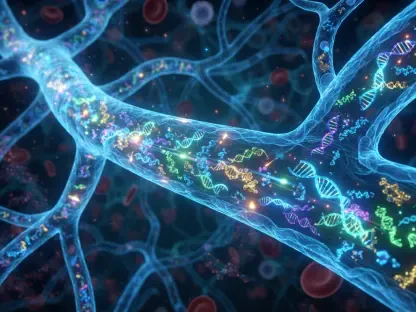
The historical classification of the PVT1 locus as a non-coding region has been overturned by evidence showing it produces functional proteins that dictate the survival of malignant cells. For decades, the oncology community has viewed the MYC gene as the most frustrating obstacle in cancer

For centuries, the sight of multiple individuals resting in a single medieval grave was interpreted by archaeologists as a poignant snapshot of a family unit, perhaps a mother and child or siblings, bound together even in death. This romanticized view suggested that the biological nuclear family

CRISPRLungo focuses on classifying the complete diversity of editing outcomes instead of reducing results to a single percentage of efficiency. As gene-editing technology transitions from a research laboratory curiosity to a cornerstone of clinical medicine and industrial agriculture, the demand

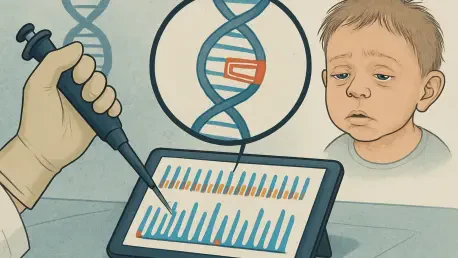
By repurposing the DNA samples already collected for monogenic testing, healthcare systems can implement polygenic risk scoring without adding significant costs or delays to the diagnostic process. This technological leap addresses the grueling reality of thousands of young patients who have faced

The landscape of professional tennis is currently grappling with a transformative era where the boundary between biological identity and competitive eligibility is being strictly defined through molecular analysis. While human rights organizations have voiced strong opposition, the WTA reports that
The significant reduction in breast cancer mortality since the late eighties demonstrates the cumulative impact of multi-disciplinary advancements in screening, surgery, and tailored pharmacotherapy. This profound shift marks the evolution of oncology from a reactive field struggling against a