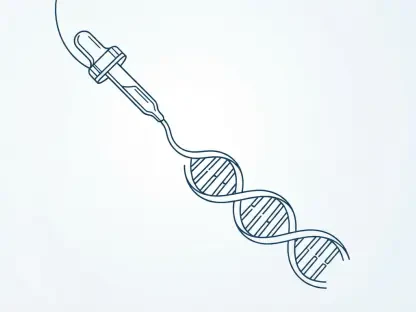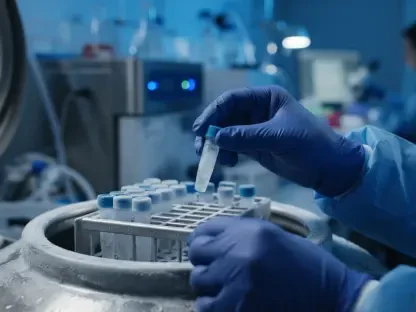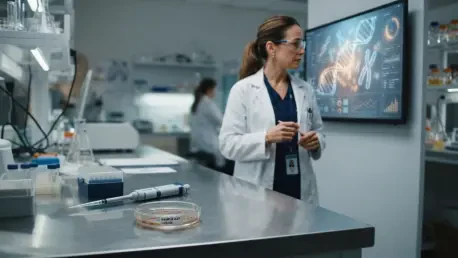

Antisense oligonucleotides have restored previously silent gene activity in experiments from Marnie Blewitt’s laboratory at the Walter and Eliza Hall Institute of Medical Research. The work, conducted in mice and neural cells derived from patients, targets a protein involved in keeping maternal genes inactive in Prader-Willi syndrome. It offers an early route toward addressing the condition’s genetic basis, while leaving the clinical questions of safety and benefit unresolved.
From a Genetic Mechanism to a Therapeutic Target
In Prader-Willi syndrome, a group of paternally inherited genes on chromosome 15 loses expression. Healthy maternal counterparts are present, but remain inactive. This creates a distinct therapeutic opportunity: rather than supplying replacement genes, researchers could try to release the activity already available within cells. Blewitt’s team investigated SMCHD1, a protein needed to maintain that maternal silencing. In these experiments, antisense oligonucleotides targeted the protein and restored expression of the inactive genes. Science Advances published the findings.
The scientific advance lies in connecting a mechanism of gene regulation with a possible intervention. An intact maternal copy alone is not enough to provide a treatment. Researchers need to demonstrate that they can recover its activity, then establish whether that recovery leads to useful biological changes. These experiments begin to connect those steps.
In the team’s mouse models, the intervention was associated with better social interaction, greater physical strength and lower weight. Those observations give the molecular result practical relevance. They suggest that restored expression can influence features of the condition in an experimental setting, although they do not establish how people would respond.
Moving From Laboratory Findings to Therapy Development
Blewitt said the research effort has extended over approximately nine years. She and her colleagues have now established Togglelux Therapeutics to pursue treatments directed at SMCHD1 for Prader-Willi syndrome. That transition gives the findings a development pathway. Laboratory work can point to a promising target. A therapeutic program then has to establish whether intervening at that target offers a useful benefit with acceptable risks. Establishing a company shows an intention to pursue that work, but does not establish that the approach is ready for clinical care.
Three findings support further development:
- The researchers restored gene expression in both mouse experiments and patient-derived neural cells.
- Mouse models showed changes in behavior, strength and weight alongside the molecular response.
- Blewitt reported no concerning effects so far in the animal and cellular systems examined.
Each addresses a different question. Cellular results support the proposed mechanism, animal observations offer early evidence of functional effects, and the safety findings help justify continued investigation. Together, they form a preclinical case for pursuing the target. None substitutes for evidence in patients.
Safety Must Be Examined Alongside Restored Activity
Manipulating a protein that maintains gene silencing raises a central development question: how selectively can the desired activity be recovered? Blewitt’s team examined effects across thousands of genes and studied brain tissue, including the hypothalamus. The researchers reported improved features in their mouse model without detecting adverse effects elsewhere in the body. Blewitt also emphasized that safety assessment remains ongoing. The distinction between an encouraging safety observation and established safety is essential here. The absence of concerning findings in the systems studied supports further research, but it cannot settle the risks of a future human treatment. Any move toward regulated care would require evidence appropriate to that setting.
The same discipline applies to efficacy. Improvements in mouse social behavior or physical strength are useful experimental outcomes. Their clinical meaning remains to be established. A development program will need to connect restored gene activity with benefits that people living with Prader-Willi syndrome can experience.
The Potential Impact of Addressing the Underlying Cause
Prader-Willi syndrome affects physical and metabolic function as well as development. Blewitt has described the prospect of helping affected individuals and their families as the main motivation behind the work. Togglelux Therapeutics could advance a candidate toward becoming the condition’s first disease-modifying treatment. That remains a possibility, not an achieved milestone. More broadly, the work holds promise for care that addresses the consequences of silenced genes by acting on the mechanism itself. For families, the research will ultimately have value if molecular reactivation translates into meaningful improvements in daily life. The next development work must preserve the link established in these experiments: restored expression, measurable functional benefit and continued scrutiny of safety.