
The rapid maturation of genetic engineering has catalyzed a fundamental shift in how the pharmaceutical industry conceptualizes the stimulation of the human immune system during vaccination. While traditional vaccines primarily focused on the induction of neutralizing antibodies to intercept

The persistent challenge of managing head and neck squamous cell carcinomas has long been defined by the aggressive nature of human papillomavirus-negative tumors, which frequently resist conventional treatment and lead to high recurrence rates. These specific malignancies, often located in the

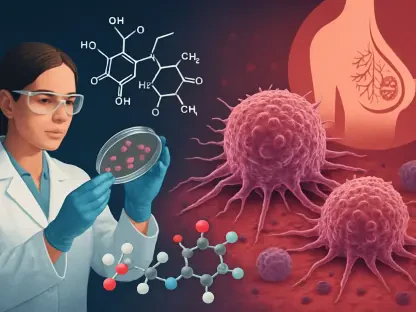
The clinical success of cyclin-dependent kinase inhibitors has fundamentally transformed the standard of care for millions of patients diagnosed with advanced malignancies, yet recent data suggests that the medical community has only begun to tap into their full therapeutic potential. For years,

The medical community is currently witnessing a paradigm shift as medications originally designed for glucose control reveal a profound capacity to alter the survival trajectory of women battling breast cancer. While the pharmaceutical world has focused heavily on the aesthetic and weight-loss
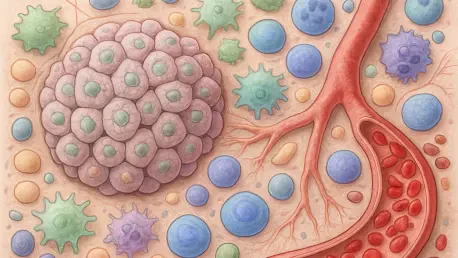
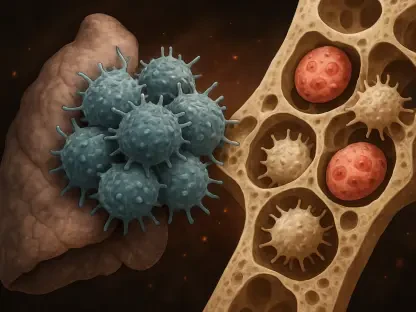
The biological success of ovarian cancer within the human body depends less on its internal genetic code than on the protective biochemical soup found in the abdominal cavity. For decades, the primary focus of oncology remained fixed on the "seed"—the individual cancer cell—while largely ignoring

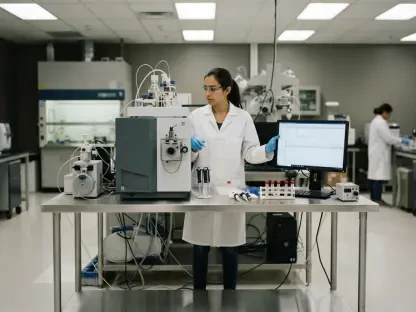
The traditional image of a bustling laboratory filled with researchers in white coats is undergoing a profound transformation as the Institute of Science Tokyo unveils its Robotics Innovation Center at the Yushima campus. This pioneering facility operates as a completely unmanned environment where