
The precision required to dismantle a tumor without devastating the surrounding healthy tissue remains one of the most elusive targets in modern oncology. While the pharmaceutical industry has long sought to perfect antibody-drug conjugates (ADCs), the technical reality often falls short of the

Ivan Kairatov brings a wealth of expertise to the table as a seasoned biopharma strategist with a specialized focus on the intersection of metabolic research and regulatory innovation. With years of experience navigating the complex R&D pipelines of the world’s leading pharmaceutical firms, he has

The relentless pursuit of novel therapeutic agents has reached a critical juncture where the sheer volume of potential chemical and genetic interactions far exceeds the capacity of traditional laboratory methodologies. In the modern pharmaceutical landscape, High-Throughput Screening (HTS) serves
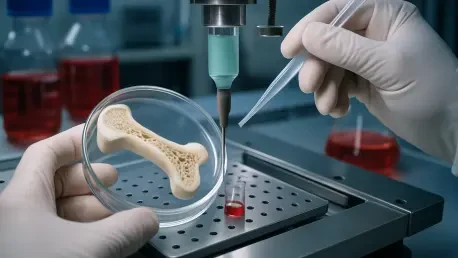
The traditional landscape of oncological drug development is currently undergoing a massive transformation as Oregon Health & Science University launches an ambitious $9.2 million initiative to redefine the accuracy of preclinical testing. By establishing the Knight Cancer Precision Biofabrication

The staggering complexity of a single small protein, with its 50 amino acids creating more possible configurations than there are stars in the observable universe, has historically rendered traditional molecular biology a game of blindfolded archery. For decades, the biotechnology sector relied on

While chimeric antigen receptor T-cell therapy has already revolutionized the treatment of hematologic malignancies, the biological fortress surrounding solid tumors continues to pose a formidable challenge for researchers and clinicians alike. Unlike the relatively accessible nature of blood