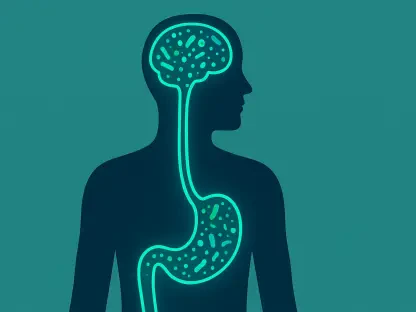

The scientific community has long been fascinated by the hidden dialogues occurring between the human microbiome and the delicate cellular structures of the gastrointestinal tract. For decades, researchers have investigated the complex relationship between these resident bacteria and the development of colorectal malignancies. The gastrointestinal tract hosts a vast ecosystem of bacteria, most of which are beneficial, but a subset has been identified as a primary driver of oncogenic transformation. Specifically, certain strains of Bacteroides fragilis have long been scrutinized for their role in damaging the colon’s epithelial lining. Understanding the precise mechanics of how bacterial toxins interact with human cells is essential for developing targeted interventions. This article outlines the timeline of research that led to the identification of a specific host receptor, claudin-4, which acts as the gateway for bacterial-induced colon cancer. By tracing the evolution of this discovery from initial correlation to molecular confirmation, we can better appreciate the significance of this breakthrough in modern oncology and preventative medicine.
The Path to Discovery: A Chronology of Gut Toxin Research
2009: The Initial Link Between Bacteroides Fragilis and Colon Tumors
Scientific interest in the microbiome-cancer axis intensified following a landmark 2009 study that established a definitive connection between Bacteroides fragilis and the formation of colon tumors. Researchers identified that this common bacterium, found in roughly twenty percent of the population, could secrete a potent toxin known as BFT. This study demonstrated that the toxin drives chronic inflammation, creating an environment conducive to tumor growth. It set the stage for over a decade of research into how a commensal bacterium could transform into a pathological agent that triggers the onset of malignancy in otherwise healthy tissue.
2010 to 2024: Investigations into E-cadherin Cleavage and the Search for a Missing Link
Following the 2009 discovery, research led by Dr. Cynthia Sears and her team focused on the pathological mechanism of the BFT toxin. They observed that the toxin triggered inflammation by targeting E-cadherin, a protein vital for maintaining the structural integrity of the colon’s protective barrier. When E-cadherin was cleaved, the barrier failed, leading to cellular dysfunction. However, a significant mystery remained: BFT did not appear to bind directly to E-cadherin. This discrepancy suggested the existence of an unidentified intermediary receptor that acted as a docking station for the toxin, a search that would span fifteen years without success. Despite numerous attempts to pinpoint the entry point, the exact molecular interaction remained elusive to the international scientific community.
2025: The CRISPR Breakthrough in Receptor Identification
The breakthrough occurred when researchers employed a genome-wide CRISPR screen to systematically analyze the colon’s epithelial cells. By knocking out individual genes one by one, the team sought to find which cellular components were essential for the toxin to exert its effects. In collaboration with Harvard Medical School, Maxwell White and the research team identified that cells lacking the gene for claudin-4 were entirely resistant to the toxin. This was a surprising revelation, as claudin-4 was traditionally viewed as a structural component of cell junctions rather than a signaling receptor or a docking site for proteases. This genomic approach allowed the team to bypass traditional hurdles and isolate the exact protein required for toxin attachment.
April 2026: Publication of the Claudin-4 Discovery in Nature
The culmination of this research was published in the journal Nature in April 2026. The multi-institutional study provided the first definitive evidence that claudin-4 is the required host receptor for BFT. Structural biologists in Barcelona contributed to the findings by providing biophysical analysis, proving that the toxin and the receptor form a stable, one-to-one complex. This publication finally closed the fifteen-year gap in understanding how the Bacteroides fragilis toxin initiates the sequence of events leading to colorectal cancer. The paper detailed the precise biochemical “handshake” that allows the toxin to latch onto the cell before it begins its destructive work on the gut lining.
Late 2026: Experimental Validation Through Molecular Decoys
Shortly after the receptor was identified, researchers moved to validate the findings through animal models. They developed a molecular decoy, a soluble version of the claudin-4 sequence designed to intercept the toxin before it could reach the colon lining. In mouse models, this intervention successfully neutralized the toxin, preventing the cleavage of E-cadherin and the subsequent inflammatory response. This success provided a proof of concept for future human therapies, demonstrating that blocking the BFT-claudin-4 interaction could effectively prevent the damage that leads to oncogenesis. This milestone marked the transition from basic molecular discovery to the development of tangible preventative strategies.
Synthesizing the Impact of the Claudin-4 Discovery
The identification of claudin-4 represents a transformative turning point in our understanding of the microbiome’s role in cancer. The most significant shift in perspective provided by this discovery is the recognition of structural proteins as active participants in toxin-mediated disease. For years, the search for the BFT receptor focused on signaling proteins, yet the answer lay in the very architecture of the cell’s tight junctions. This shift underscores a broader theme in modern biology where the physical structure of the cell is inextricably linked to its pathological vulnerability. Furthermore, the collaborative nature of this research highlights the power of combining genetic screening with structural biology and in vivo testing. Despite these leaps forward, a notable gap remains in our computational capabilities; advanced AI tools like AlphaFold were unable to predict this specific interaction, emphasizing that traditional experimental biology is still indispensable for solving the most complex puzzles of human health.
Expanding the Clinical Horizon and Addressing Future Challenges
The clinical implications of identifying claudin-4 extended far beyond a single bacterial strain. This discovery offered a new methodology for early detection, as claudin-4 binding potentially served as a biomarker for individuals at high risk for developing colon cancer. Moreover, the success of the decoy protein suggested a new class of preventative biologics that could protect the gut lining from various microbial threats. It was also noted that the Bacteroides fragilis toxin is not only a driver of cancer but also a cause of acute diarrhea and bloodstream infections. Therefore, these findings facilitated the development of treatments for a range of gastrointestinal and systemic diseases. Practitioners utilized this knowledge to design precision interventions that left the beneficial microbiome intact while neutralizing specific pathogenic threats. Future considerations involved the integration of these molecular decoys into proactive health regimens to shield vulnerable populations from chronic inflammation. Scientists also looked toward expanding these genetic screening techniques to identify receptors for other unknown bacterial proteases.