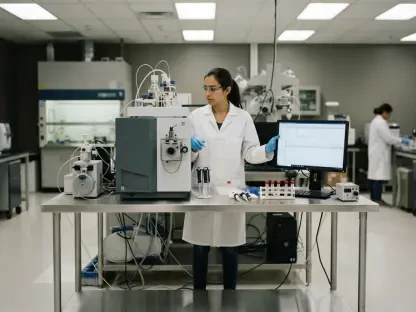

A collaborative partnership model between a sponsor and a midsize contract research organization facilitates the rapid adjustment of resources whenever a trial design needs to change or a new indication is added. This flexibility is essential in the current clinical development landscape of 2026,

Antisense oligonucleotides have restored previously silent gene activity in experiments from Marnie Blewitt’s laboratory at the Walter and Eliza Hall Institute of Medical Research. The work, conducted in mice and neural cells derived from patients, targets a protein involved in keeping maternal

Recent research suggests that the prognostic value of the CFH gene may be driven primarily by the FHL-1 isoform rather than the circulating full-length protein. In the rapidly shifting landscape of 2026 oncology, identifying reliable prognostic biomarkers has become the cornerstone of improving

Hyaluronic acid-decorated carriers target the CD44 receptor, which is frequently overexpressed in bladder tumors, to improve the specificity of localized therapy. The staggering incidence of urologic malignancies, which currently accounts for more than 2.6 million new cases and 700,000 deaths

The diagnostic reality for nearly ten percent of patients with advanced solid tumors involves a debilitating accumulation of abdominal fluid that traditionally signals the final, most resistant stage of oncological progression. For years, this fluid, known as malignant ascites, was treated

Transcriptomic profiling reveals that suppressing β-catenin in specific mutant cells leads to an overwhelming accumulation of ubiquitinated proteins and cellular stress. This biological response marks a turning point in the treatment of advanced endometrial cancer, which remains a leading cause of