
The integration of proteomic aging clocks represents a fundamental shift in how the pharmaceutical industry approaches the treatment of chronic decay. For decades, the pursuit of longevity-enhancing therapies was throttled by the absence of a reliable, unified metric of biological age, forcing

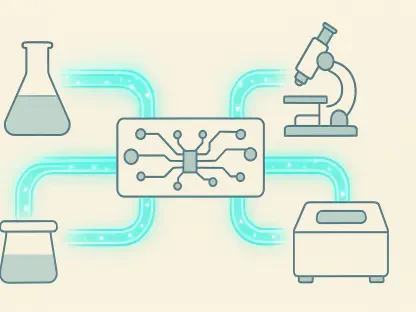
The shift from digital molecular design to physical realization is becoming increasingly accessible as automated lab hardware follows the rapid growth of AI software. This convergence has allowed independent researchers to bypass the gatekeepers of traditional pharmaceutical institutions,

The rhythmic twitch of a scorpion’s tail has long signaled a lethal threat to the unwary, but today that same biological weaponry is being repurposed into a sophisticated pharmaceutical instrument for mending the human liver. While these arachnids have survived for hundreds of millions of years by

In the United States, 300,000 new cases of breast cancer are diagnosed annually, many of which will eventually progress to a more resistant metastatic state. For patients facing these advanced stages, the traditional arsenal of chemotherapy and hormonal blockers often loses its efficacy over time,

Novartis and Bristol Myers Squibb have inadvertently set a new precedent for transparency as they navigate the complex safety challenges of applying oncology tools to chronic autoimmune diseases. This strategic pivot reflects a broader industry realization that the risk-benefit calculus for

The synthesis of combination therapies and early detection creates a feedback loop that amplifies the effectiveness of modern cancer treatment protocols. This paradigm shift means oncologists no longer view cancer as a static entity confined to a single organ like the lung or breast. Instead, they