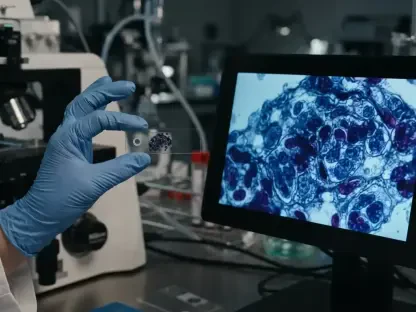

A massive dataset encompassing the medical histories of 19,000 patients is currently being analyzed to distinguish which early gastric changes will eventually lead to cancer. This groundbreaking initiative, known as the Gastroshare project, leverages the sophisticated analytical power of artificial

The gene LuMED25/PFT1 has emerged as a master regulator that can increase flax stem diameter by more than eight percent when its activity is boosted. This breakthrough addresses a fundamental agricultural crisis that has plagued flax cultivation for centuries, known as the lodging-yield dilemma. In

Large-scale hacking incidents now account for the vast majority of record thefts, outstripping physical theft or accidental loss in frequency and systemic impact. This evolution in the threat landscape highlights a fundamental shift in how the medical community must perceive information technology.

The integration of artificial intelligence into biological research enables the analysis of vast datasets to accelerate both life-saving cures and the potential engineering of biological weapons. This dual nature of modern science has transformed the way governments perceive national safety and

With over 1,000 patents filed and nearly 400 papers accepted at global conferences, the institute has already addressed more than 100 distinct industrial challenges. As LG AI Research pushes the boundaries of innovation, the current landscape of industrial research is witnessing a profound

Decoding the intricate architectural history of proteins that has unfolded over billions of years requires a tool capable of bridging the chasm between raw genetic sequences and their complex physical manifestations. The emergence of the Contrastive Learning Sequence-Structure (CLSS) model