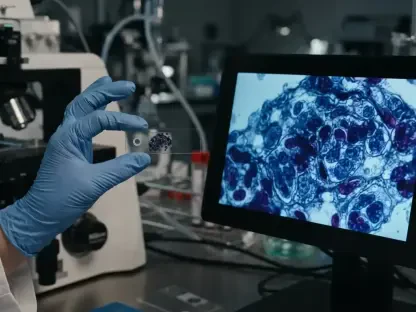
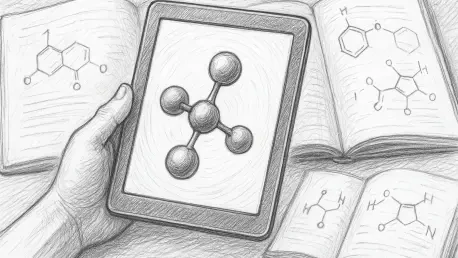
By leveraging a system of base and fibre posets, computational chemists can now characterize the search space for new drugs with mathematical precision and formal semantics. The pharmaceutical industry is currently witnessing a significant shift as artificial intelligence moves from being an

Developing a portable tool for longitudinal disease modeling under heterogeneous supervision provides a template that can be applied to oncology, cardiology, and respiratory medicine. This specific breakthrough addresses the persistent challenge of Chronic Kidney Disease (CKD), a condition that
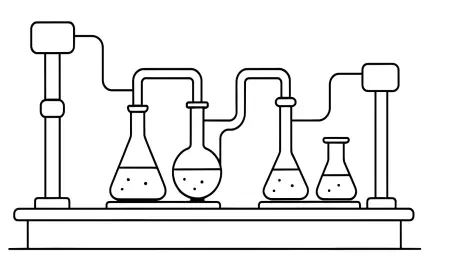
Reliability and standardization are the new metrics of success as the industry attempts to ensure that biological data is reproducible across different batches and global locations. This shift follows a decade of intense focus on the computational "dry lab" side of drug discovery, where artificial
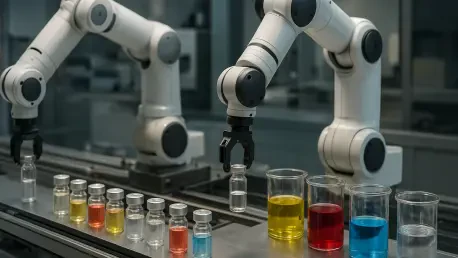
Autonomous laboratories are reducing the cost of innovation by allowing researchers to explore broad scientific domains with a minimal number of physical experiments. This shift represents a fundamental transformation in how LG AI Research approaches machine intelligence, moving away from broad,

Refining spray drying setups to enhance energy efficiency serves as a primary manufacturing lever for reducing the global warming potential of oral drug delivery components. This technical advancement reflects a broader trend where the pharmaceutical industry is navigating a pivotal transition to

The current landscape of pharmaceutical marketing is undergoing a profound transformation as the reliance on traditional, static targeting methods begins to wane in favor of more dynamic, data-driven strategies. The integration of PurpleLab’s data on three hundred thirty million patient lives