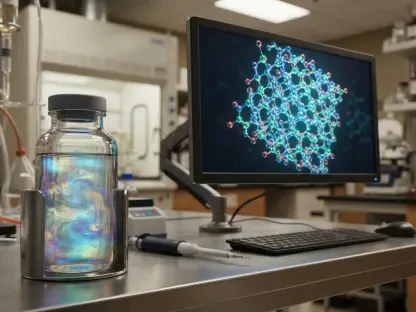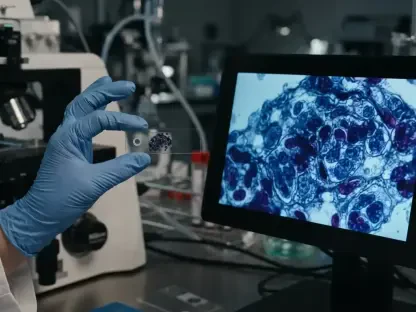

The ability to observe the most intricate biological processes within a living organism represents one of the final frontiers of modern medicine, and today, the Department of Bioengineering at Imperial College London is leading this charge with a series of well-funded initiatives. Recent support
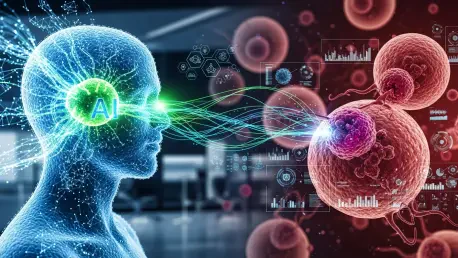
The integration of advanced artificial intelligence into the oncological workflow is no longer a distant aspiration but a present-day reality that is fundamentally altering how clinical decisions are made. In the current medical landscape, artificial intelligence serves as a sophisticated digital

The global demographic shift toward an aging population presents a massive challenge for healthcare systems tasked with maintaining functional independence for millions of people. Proactive screening for Early Mobility Limitations (EMLs) has emerged as a critical best practice to prevent the sudden

The intricate network of blood vessels and nerve fibers visible through a standard eye examination may hold the secret to identifying brittle bones years before a single fracture occurs. While most people visit their eye doctor to correct blurry vision or check for glaucoma, researchers are now

The quest for the fountain of youth is shifting away from expensive pharmaceutical interventions toward the quiet, rhythmic discipline of closing one's eyes for exactly seven hours each night. While biohackers once prioritized complex supplement stacks and cryotherapy, a new biological reality has

The traditional pharmaceutical research model is undergoing a radical shift as decentralized computing networks provide the massive scale necessary to tackle the world's most complex diseases. In this climate, the launch of Bittensor Subnet 68 by Metanova Labs represents a departure from