A tiny sensor strapped to a child’s wrist is no longer just a accessory; it has become a sophisticated guardian capable of predicting life-threatening infections before the first fever spike even occurs. This convergence of consumer electronics and medical-grade artificial intelligence is creating
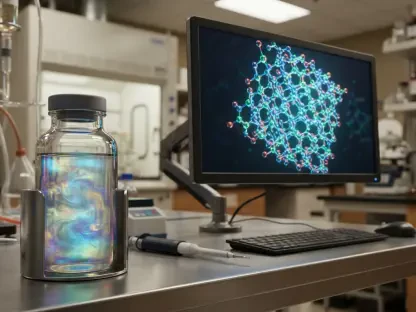
The traditional pharmaceutical development cycle often requires more than a decade and billions of dollars to bring a single life-saving treatment from the laboratory bench to the patient’s bedside. While classical supercomputers have made significant strides in screening chemical compounds, they
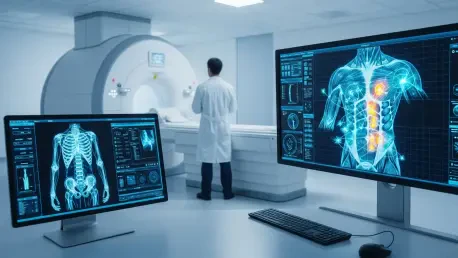
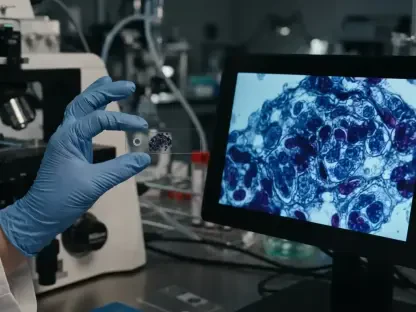
The traditional reliance on Body Mass Index as a primary indicator of metabolic health is rapidly being eclipsed by advanced diagnostic tools capable of peering into the microscopic composition of human tissue. While weight and height provide a rough estimate of physical status, they fail to
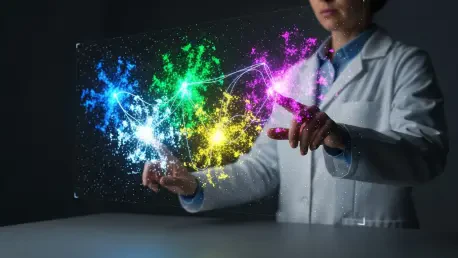
The long-held medical consensus that Parkinson’s disease represents a single path of neurological decay is crumbling under the weight of new evidence showing that patients are actually suffering from entirely different biological failures. For decades, the medical community categorized this
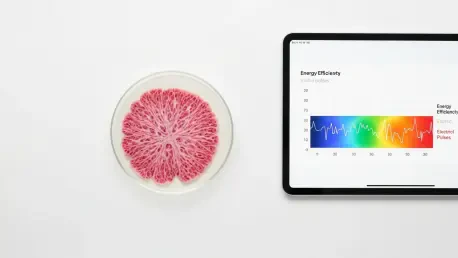
Scientists have spent decades trying to replicate the intricate rhythm of a human heart in a petri dish, yet these lab-grown cells often struggle to progress beyond the biological equivalent of a newborn infant. This limitation has historically crippled the potential of regenerative medicine, as
The medical community has long relied on visible motor symptoms like tremors and physical rigidity to diagnose Parkinson’s disease, yet these outward signs represent only the tip of a much deeper and more diverse biological struggle. Recent breakthroughs from the VIB-KU Leuven Center for