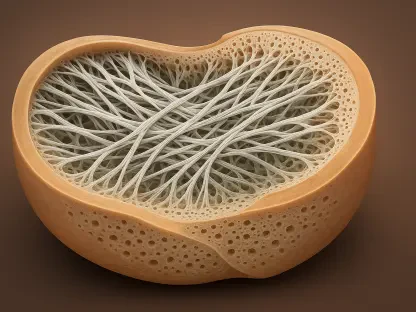
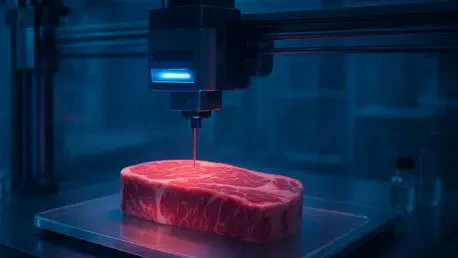
Vascularization remains a critical biotechnological hurdle for the industry, as thick tissue cuts cannot survive without internal systems to deliver nutrients and remove waste. This fundamental challenge defines the current landscape of cellular agriculture in 2026, as scientists move beyond basic
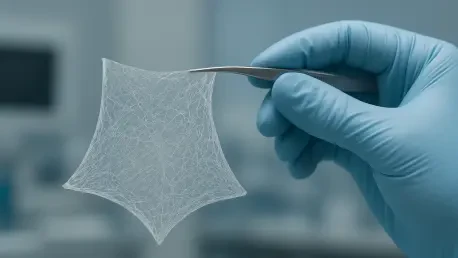
The historical reliance on rigid synthetic substrates for intestinal research has created a significant gap between laboratory observations and the soft, flexible reality of living human tissue. For decades, scientists have struggled to replicate the physiological environment of the gut using
Waning immunity and the subsequent need for frequent booster shots may be addressed by understanding the survival signals provided by the human bone marrow ecosystem. This specialized tissue serves as the primary reservoir for long-lived plasma cells, which are the biological factories responsible

While 37 degrees Celsius is the global default for biological research, it may actually induce a state of chronic metabolic sluggishness in chicken muscle cells. The emergence of cellular agriculture marks a pivotal shift in how the world approaches food security and sustainable protein, yet the

The development of a connected nationwide ecosystem for cellular therapy is designed to standardize the quality of regenerative care across every Malaysian state. This ambitious shift is currently reshaping the biotechnology sector, where the focus has moved from being a passive consumer of
Feed concentrates are becoming increasingly vital for large-scale bioreactor operations where nutrients must be replenished without diluting the existing cell culture. This fundamental shift in bioprocessing technology underscores a much larger movement within the global food system, which is