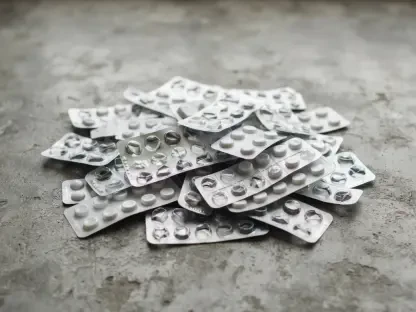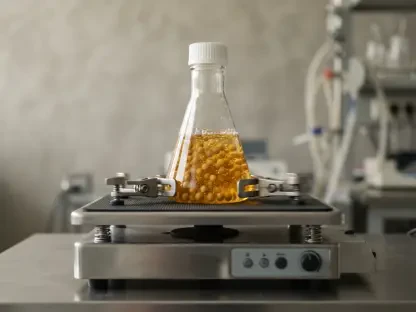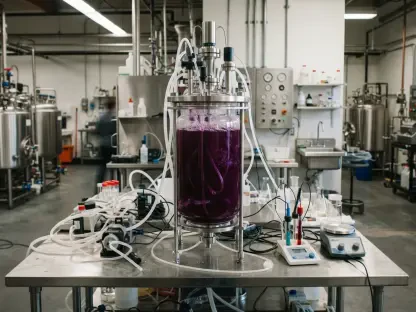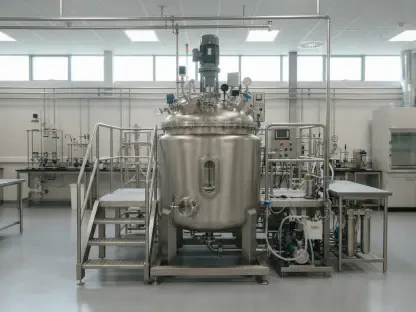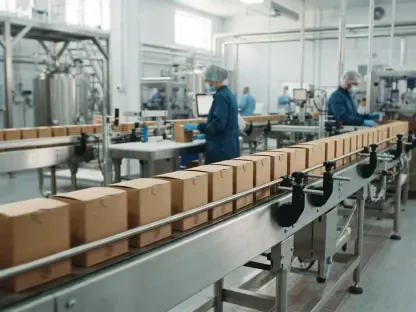
Manufacturing packaging in ISO Class 7 clean rooms ensures that the stringent requirements for cytotoxicity and purity in pharmaceutical applications are met. This baseline of safety is becoming even more critical as the life sciences industry shifts toward high-purity bioprocessing workflows that

Article 1.6 of the 2026 trade pact introduces a controversial 'no-review' clause that exempts processed biotechnology products from standard Bangladeshi authority approval. This development marks a significant shift in the nation's approach to agricultural commerce, effectively placing the demands

The partnership builds upon existing initiatives like the Center for Bioenergy Innovation to ensure that sustainable materials are both discovered and manufactured domestically. This integration addresses the notorious valley of death where biological breakthroughs often fail to reach the market
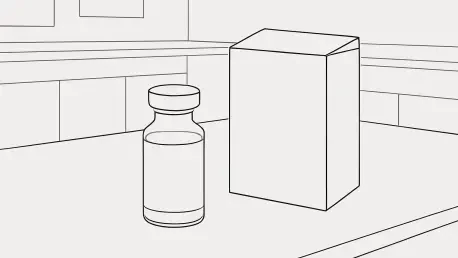
Optimizing package design to improve medication adherence reduces environmental waste associated with failed clinical treatments and hospital readmissions. This realization has transformed the healthcare sector from a purely protective stance to one that views packaging as a critical component of

The rigorous EcoVadis assessment process involves a deep dive into management systems to ensure that sustainability claims are backed by objective and comparable data. This commitment to transparency is vital in a market where stakeholders demand verifiable proof of social responsibility.

Non-resorbable membranes used in dental surgeries provide excellent mechanical stability but necessitate a second invasive operation for removal, which increases patient discomfort and recovery time. This clinical trade-off has long complicated the success of Guided Bone Regeneration, a cornerstone