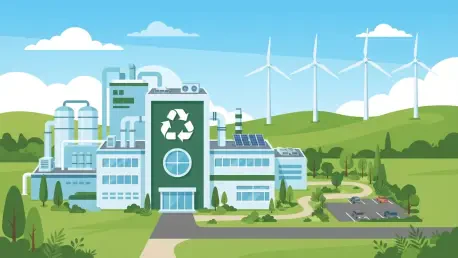

The global pharmaceutical landscape is navigating an era where ecological accountability has transitioned from a boardroom aspiration to a non-negotiable operational mandate for every stakeholder involved. Operating continuous utility systems to maintain cleanroom environments represents a significant challenge for CDMOs aiming to reduce their total carbon footprint. As the industry moves into this critical decade, the focus has expanded from simple waste reduction to a comprehensive rethinking of how capacity is built and maintained. Modern contract manufacturing must now align with the rigorous expectations of global health authorities and environmentally conscious investors who demand more than just regulatory compliance. This shift requires a departure from traditional linear manufacturing models in favor of an integrated approach where sustainability is woven into the very fabric of facility design and long-term planning. By viewing environmental stewardship as a core business driver, organizations can unlock new efficiencies that actually strengthen their market position.
Redefining the Sustainable CDMO Framework
Operational Resilience: The Nexus of People and Planet
A truly modern sustainable CDMO adopts a holistic approach that balances the immediate needs of patients with the long-term health of the planet and its personnel. In the highly specialized field of aseptic processing, human expertise is considered a vital sustainable resource that requires protection and cultivation. Maintaining an “employer of choice” status is no longer just about recruitment; it is an essential strategy for ensuring operational stability in an increasingly volatile market. When a company invests in the well-being and professional growth of its staff, it reduces the environmental and economic costs associated with high turnover and retraining. This people-centric philosophy acknowledges that the most sophisticated green technology still requires skilled operators to function at peak efficiency. Therefore, a sustainable framework must encompass fair labor practices, comprehensive safety protocols, and a culture of continuous learning to remain viable.
This integrated perspective ensures that the delivery of safe injectables is supported by robust governance and a workforce that is well-equipped to manage complex, highly regulated systems. By fostering a deep sense of ownership among employees, CDMOs can drive grassroots innovation in energy saving and waste reduction that top-down mandates often miss. The resilience of the organization is tied directly to its ability to adapt to changing social expectations while maintaining the highest standards of pharmaceutical quality. Governance structures are now being redesigned to prioritize transparency, ensuring that every level of the organization is accountable for specific sustainability targets. This alignment between corporate values and operational execution creates a powerful synergy that attracts top talent and high-value partnerships. Ultimately, the fusion of social responsibility with environmental targets forms a foundation for growth that is both ethical and commercially durable.
Infrastructure Optimization: High-Impact Environmental Levers
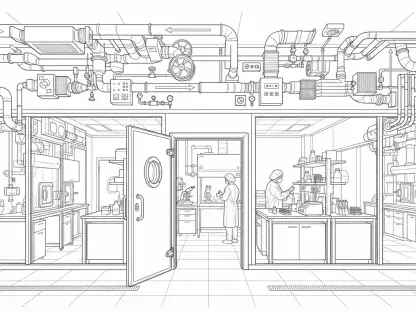
Manufacturing sterile products is inherently resource-intensive, requiring immense amounts of power to maintain sterility and temperature control. However, the most significant environmental gains often lie in the auxiliary infrastructure rather than the core filling processes themselves. Since manufacturing protocols are bound by strict regulatory validations that are difficult to alter without extensive re-testing, CDMOs focus their initial efforts on optimizing “supporting systems” such as HVAC, cooling, and compressed air units. These systems often run at full capacity regardless of actual demand, leading to substantial energy waste that can be mitigated through smarter automation. By implementing variable speed drives and advanced sensor arrays, facilities can adjust utility output based on real-time room occupancy or environmental conditions without ever compromising cleanroom integrity. This targeted approach allows for immediate carbon reduction while preserving validated processes.
Transitioning these high-drain utilities to renewable energy sources and utilizing diligent monitoring to reduce water and material waste represents the most effective strategy for immediate progress. Many facilities are now incorporating onsite solar arrays or geothermal heat pumps to decouple their operations from carbon-intensive power grids. Beyond energy, water management is becoming a critical metric, especially for processes requiring high-purity water for injection. Implementing closed-loop cooling systems and reclaiming gray water for non-critical applications can significantly lower the overall environmental burden of a site. Real-time data analytics play a crucial role here, identifying leaks or inefficiencies that would otherwise go unnoticed for months. By treating every drop of water and every kilowatt-hour as a precious asset, CDMOs can achieve a level of operational leanness that supports both their environmental goals and their bottom line.
Technical Innovation and Carbon Neutrality
Strategic Equilibrium: Energy Intensity and Patient Safety
The inherent conflict between the high energy demands of cleanrooms and the goal of carbon neutrality is managed through technological upgrades rather than lowering environmental standards. Patient safety and product quality remain non-negotiable benchmarks that cannot be sacrificed for the sake of an emissions target. Consequently, the strategy for carbon reduction involves a proactive approach to facility design that utilizes the most efficient equipment currently available. This means moving away from legacy systems that rely on outdated technology and embracing modern solutions like high-efficiency particulate air filtration and advanced sterilization methods. By investing in these capital-intensive upgrades, a CDMO can ensure that its facilities are compliant with both future health regulations and environmental mandates. This technical transformation is a long-term commitment that positions the organization as a leader in responsible pharmaceutical manufacturing.
By integrating heat recovery systems, condition-based controls, and onsite renewable energy sources, CDMOs can meet rigorous aseptic requirements while significantly lowering their carbon footprint. Heat recovery is particularly effective in large-scale facilities where the heat generated by manufacturing equipment can be repurposed to warm administrative spaces or pre-heat water systems. Condition-based monitoring takes this further by using artificial intelligence to predict system failures and optimize performance parameters in real-time. This level of technical sophistication ensures that every joule of energy is used as efficiently as possible. Furthermore, the design of new buildings now prioritizes natural lighting and high-performance insulation to reduce the baseline load on HVAC systems. These innovations demonstrate that high-performance manufacturing and environmental stewardship are not mutually exclusive but are instead two sides of the same coin in modern engineering.
Radical Transparency: Data and Evolving Client Metrics
Pharmaceutical clients are increasingly prioritizing quantitative evidence over qualitative promises during the partner selection process. Today’s industry standards demand radical transparency regarding Scope 1, 2, and 3 emissions, requiring CDMOs to provide detailed reports that withstand intense scrutiny. Adherence to Science-Based Targets (SBTi) has become a prerequisite for many large-scale contracts, as clients look for partners who have a scientifically validated roadmap for carbon neutrality. This shift in procurement behavior means that a CDMO’s environmental performance is now a key differentiator in a crowded marketplace. Organizations that fail to provide granular data on their energy consumption and waste generation risk being excluded from high-value drug development programs. Therefore, investing in sophisticated data tracking and reporting infrastructure is no longer an option but a strategic necessity for any organization looking to secure long-term growth.
Beyond internal metrics, clients evaluate how a CDMO manages its own supply chain, looking for robust ethics, occupational health standards, and responsible procurement practices. This holistic evaluation extends to the sourcing of raw materials, the environmental impact of logistics, and even the waste management policies of third-party vendors. A CDMO must now act as a steward for the entire value chain, ensuring that every partner it works with aligns with the sustainability goals of the end client. This requires a new level of collaboration and data sharing that was previously unheard of in the industry. By fostering these deep connections, CDMOs can create a more resilient and ethical supply chain that is better equipped to handle the challenges of a resource-constrained world. The ability to demonstrate a clean and responsible supply chain has become as important as the ability to produce a high-quality drug, reflecting a broader shift in global economic values.
Pragmatic Circularity and Strategic Sourcing
Waste Reduction: Implementing Circular Economy Principles
While regulatory restrictions on contaminated materials make a total closed-loop system difficult, CDMOs can achieve significant impact through pragmatic waste segregation. By separating uncontaminated materials at the point of generation, high-quality recyclables such as plastic, cardboard, and glass can be returned to the economy rather than ending up in a landfill. This process requires a disciplined approach to shop-floor management and extensive training for operational staff to ensure that non-hazardous waste is not mixed with bio-hazardous materials. Furthermore, organizations are exploring ways to repurpose certain waste streams, such as using sterilized single-use plastics as feedstock for other industrial processes. This pragmatic approach acknowledges the unique challenges of pharmaceutical waste while still striving for the highest possible level of resource circularity within the existing regulatory framework.
This effort extends to collaborating with vendors to redesign packaging, reduce plastic volumes, and adopt PVC-free materials, focusing on reducing consumption at the start of the lifecycle. Many CDMOs are now working directly with their suppliers to develop more sustainable shipping solutions, such as reusable thermal containers and biodegradable cushioning materials. By reducing the volume of single-use items in the supply chain, organizations can lower their indirect emissions and decrease the logistical burden of waste management. This collaborative model fosters innovation, leading to the development of new materials that meet stringent pharmaceutical requirements while being easier to recycle. As these practices become more widespread, the entire industry moves closer to a circular model where waste is viewed as a design flaw rather than an inevitability. These initiatives demonstrate that even small changes in material sourcing can have a profound impact on the overall footprint.
Lifecycle Management: Early Intervention Strategies
For drug developers, the most effective way to minimize an outsourced product’s footprint is through early intervention during the development phase. Decisions regarding primary packaging, manufacturing technology, and sourcing routes dictate the environmental impact of a drug for many years to come. When sustainability is treated as a core element of project governance from the outset, developers can work with their CDMO partners to identify the most efficient production pathways. This might involve choosing cold-chain solutions that use less energy or selecting container closure systems that are easier to manufacture and recycle. By addressing these factors during the initial stages of drug design, developers can avoid the high costs and regulatory hurdles of trying to retroactively improve a product’s environmental profile. This proactive approach ensures that the drug is “green by design” rather than as an afterthought.
By treating sustainability as a core element of project governance and choosing partners who provide transparent data, developers and CDMOs can co-create manufacturing models. This partnership allows for the exchange of critical information regarding the carbon intensity of different processes, enabling more informed decision-making throughout the product lifecycle. When both parties are aligned on environmental goals, they can explore innovative technologies like continuous manufacturing, which can significantly reduce material waste and energy consumption compared to traditional batch processing. This collaborative effort also extends to the clinical trial phase, where sustainable logistics and packaging can be tested and refined before full-scale commercialization. Ultimately, the successful integration of sustainability into the drug development process depends on a shared commitment to transparency and a willingness to challenge established norms in favor of more responsible alternatives.
Navigating the Future of Responsible Pharmaceutical Production
The transition toward a truly sustainable manufacturing model was solidified by the adoption of data-driven infrastructure and strategic partnerships. Industry leaders moved beyond surface-level initiatives by embedding ecological considerations into the earliest stages of facility design and product development. Organizations that prioritized high-efficiency utility systems and rigorous waste segregation established themselves as the preferred partners for global drug developers. These steps demonstrated that technical innovation and environmental stewardship could coexist while maintaining the highest levels of patient safety. Moving forward, stakeholders should focus on scaling these green technologies and fostering even deeper supply chain transparency to maintain this momentum. By institutionalizing these practices, the pharmaceutical sector successfully shifted its trajectory toward a more resilient and responsible future.