By leveraging a system of base and fibre posets, computational chemists can now characterize the search space for new drugs with mathematical precision and formal semantics. The pharmaceutical industry is currently witnessing a significant shift as artificial intelligence moves from being an

Health economics data suggests that reducing the frequency of blood transfusions can help compress the high costs associated with secondary organ damage and chelation therapy. The recent FDA approval of mitapivat, now available as AQVESME, represents the most significant breakthrough in the

As AI-driven drug development gains momentum, the pharmaceutical industry must reconcile rapid digital innovation with the strict regulatory demands of healthcare safety. The current landscape is defined by a significant ideological divide between Silicon Valley’s exponential growth models and the
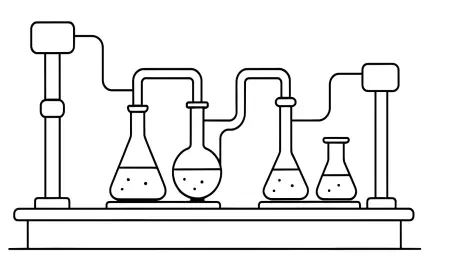
Reliability and standardization are the new metrics of success as the industry attempts to ensure that biological data is reproducible across different batches and global locations. This shift follows a decade of intense focus on the computational "dry lab" side of drug discovery, where artificial
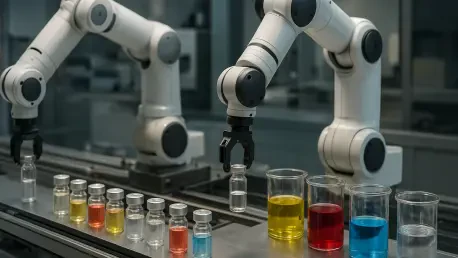
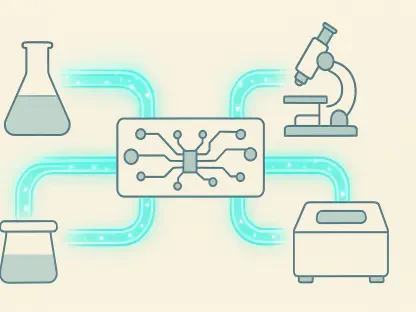
Autonomous laboratories are reducing the cost of innovation by allowing researchers to explore broad scientific domains with a minimal number of physical experiments. This shift represents a fundamental transformation in how LG AI Research approaches machine intelligence, moving away from broad,

A strategic shift in customs policy has lowered barriers for essential drugs while simultaneously protecting local producers with higher tariffs on certain goods. This dual-track approach emerges as the nation grapples with a widening trade gap that is projected by BMI, a Fitch Solutions company,