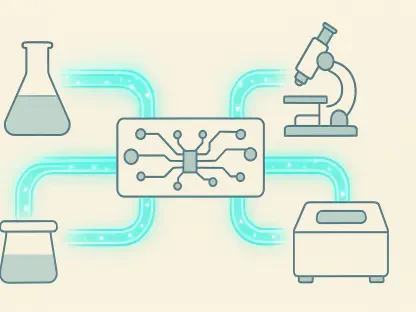
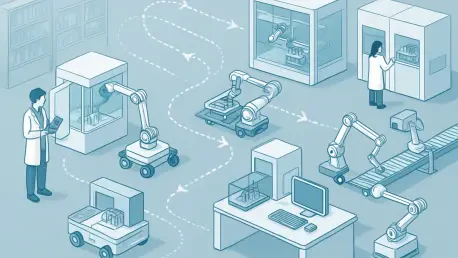
The proposed six-level autonomy framework provides a shared technical vocabulary for engineers and regulators to navigate the gradual handoff of tasks from humans to machines. This strategy, unveiled at the Roche Pharma Day, establishes a rigorous pathway for the integration of robotics and

Regulatory initiatives for standardized organoid modeling emphasize the need for robust methodologies that minimize the impact of the human factor on cell health. While the landscape of modern cell biology has been transformed by sophisticated genetic engineering tools, the fundamental day-to-day

Polydopamine nanotubes provide a versatile clinical tool that can disrupt cancer cell activity through both photothermal heating and localized electrical stimulation. For years, the challenge of delivering targeted therapy without damaging surrounding healthy tissue has remained a central hurdle in

Environmental contamination continues to threaten global populations, necessitating the development of multi-modal defense systems that can shield vital organs from heavy metals. Arsenic, an odorless and tasteless toxin found in groundwater, remains one of the most pervasive threats to human health

Implementing robust safety guardrails is now a primary focus for organizations developing foundation models capable of manipulating genetic information. As of 2026, the intersection of machine learning and synthetic biology has reached a critical inflection point where the capacity to simulate life

Patients who previously failed treatment with lenvatinib monotherapy showed a renewed response when the drug was paired with the novel experimental agent E7386. This breakthrough in gynecologic oncology represents a turning point for patients facing advanced endometrial cancer after exhausting