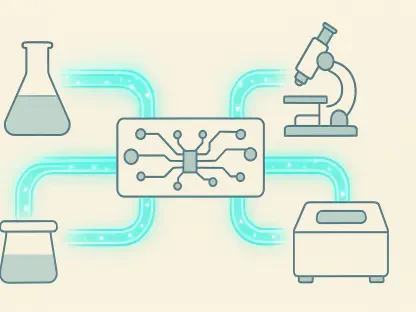

Facility-0 utilizes reverse-engineered software drivers and custom hardware adapters to bridge the functional gap between digital intelligence and physical laboratory equipment. This San Francisco-based initiative marks a definitive transition from generative models that merely process text to

Market availability of BPC-157 does not imply clinical safety, as materials intended for laboratory analysis are produced under different standards than those for human consumption. This synthetic pentadecapeptide, consisting of a sequence of fifteen amino acids, has become a prominent subject of

Systemic administration of high-dose antibiotics often causes severe collateral damage to the gut microbiome and vital organs like the kidneys before reaching the lungs. This fundamental limitation of traditional pharmacology has reached a critical tipping point as global healthcare systems

The deceptive simplicity of a single hydrogen atom moving across a molecular scaffold has long been the invisible wall separating promising drug candidates from clinical failure. This phenomenon, known as tautomerism, involves the rapid relocation of a proton and a corresponding shift in double

High-abundance proteins like albumin often mask rare signaling molecules, requiring a sophisticated depletion step to reveal the true regenerative potential of blood. This analytical challenge has long obscured the precise molecular mechanisms of platelet-rich plasma (PRP), a therapeutic

The extension of the review period for the colorectal cancer drug zanzalintinib into 2027 demonstrates a rigorous adherence to data verification before granting market access. This specific regulatory pause highlights the Food and Drug Administration’s current focus on high-fidelity data, ensuring