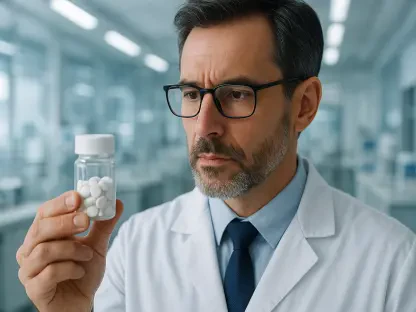
While further human clinical trials are necessary, these preclinical findings suggest that nano-encapsulated diosmin could eventually provide a vital safety net for the kidneys of cancer patients. This assertion follows a significant breakthrough led by researcher Ahmad Najem Alshammari at Northern
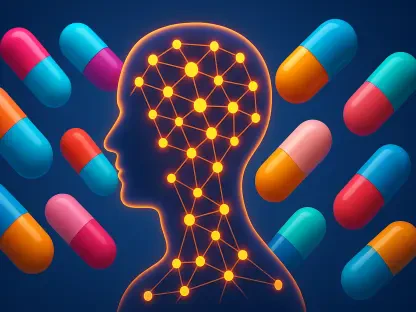
Nineteen leading scientists from Europe and the United States have launched a three-year initiative to map regulatory deficiencies in the application of machine learning for drug discovery. This strategic movement, officially unveiled at the prestigious ECNP Congress in Munich, marks the inception
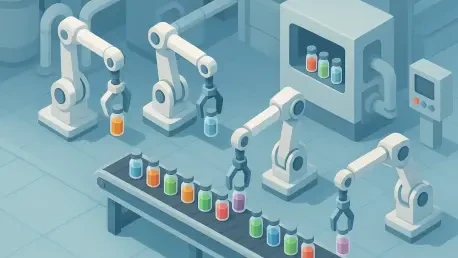
The primary value of integrating artificial intelligence into biological research is the dramatic reduction in time required to identify viable therapeutic targets. This acceleration represents a seismic shift in how the financial markets value biotechnology, moving it from a speculative sector

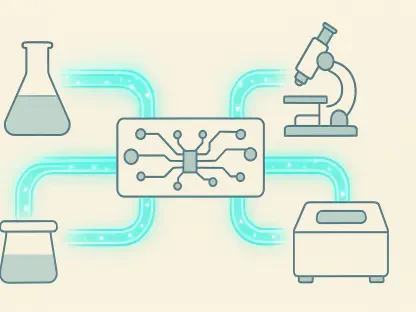
The initiative led by Professor Mo Maniruzzaman focuses on connecting disparate technological tools into a singular automated production ecosystem. This groundbreaking shift at the University of Mississippi represents a direct response to the stagnant timelines that have historically defined the
A collaborative partnership model between a sponsor and a midsize contract research organization facilitates the rapid adjustment of resources whenever a trial design needs to change or a new indication is added. This flexibility is essential in the current clinical development landscape of 2026,
Recent research suggests that the prognostic value of the CFH gene may be driven primarily by the FHL-1 isoform rather than the circulating full-length protein. In the rapidly shifting landscape of 2026 oncology, identifying reliable prognostic biomarkers has become the cornerstone of improving