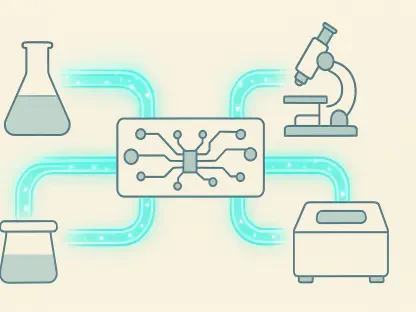
Modern laboratory environments are undergoing a quiet yet profound transformation as the reliance on manual pipette-wielding technicians gives way to a new era of robotic precision and high-throughput automation. This evolution is not merely a convenience but a structural necessity in a landscape
Pancreatic cancer has remained an almost invincible adversary in the medical world, frequently defying the very treatments that have successfully tamed other aggressive forms of the disease. While oncology has celebrated remarkable progress in targeted therapies, pancreatic ductal adenocarcinoma
The transformation of human hookworms from harmful intestinal parasites into sophisticated, living drug factories represents one of the most radical shifts in modern bioengineering and therapeutic delivery. While these organisms have historically been associated with disease and malnutrition in

The sheer scale of potential chemical compounds, estimated at ten to the sixtieth power, has long stood as an insurmountable barrier for pharmaceutical researchers attempting to identify viable therapeutic candidates. Traditionally, identifying a single molecule capable of binding to a specific

The medical community is navigating a period where surviving a terminal diagnosis no longer guarantees a life free from severe physiological repercussions due to the unintended consequences of high-potency treatments. Oncology has entered a golden age of precision medicine and immunotherapy, yet
The traditional understanding of the immune system often places T cells as the primary assassins of malignancy, leaving other cells to perform the menial tasks of biological waste management. For many decades, the medical community viewed macrophages as simple cellular janitors that were only