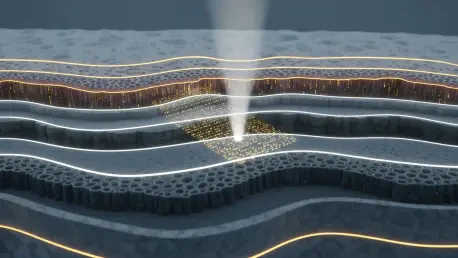
The conventional diagnostic approach of treating a tumor as a uniform mass of malignant cells has reached a functional ceiling in oncology, necessitating a move toward high-resolution architectural mapping. The Spatial Transcriptomic Tumor Atlas represents a pivotal shift in this landscape, moving
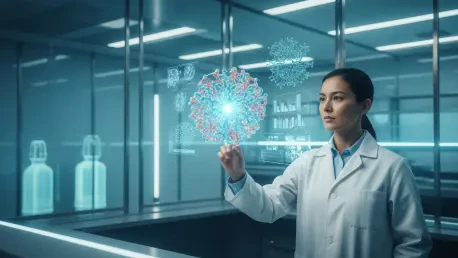
The quest to understand how malignant cells detach from a primary tumor and successfully colonize distant organs has long remained one of the most formidable challenges in modern oncology. While traditional therapies often succeed in shrinking localized masses, the ability of certain cells to evade
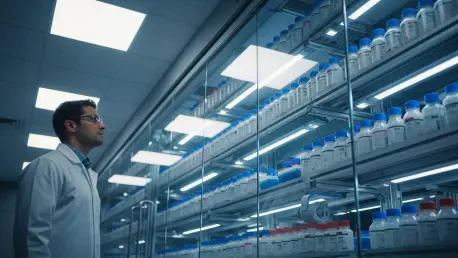
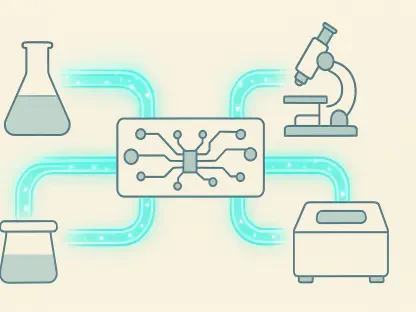
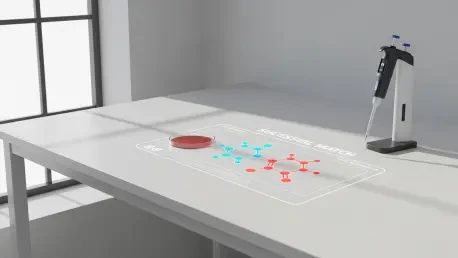
The transition from siloed research environments to fully integrated, autonomous ecosystems represents a fundamental shift in how scientific discovery is conducted at scale. In the current landscape, the complexity of biopharmaceutical research requires more than just faster instrumentation; it
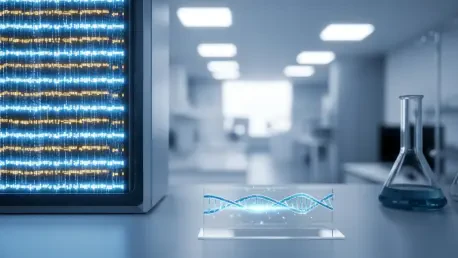
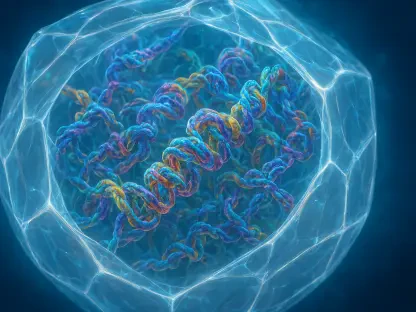
The reliance on non-human biological models has long been a bottleneck in the pharmaceutical pipeline, leading to costly failures when results from mice or monkeys fail to replicate in clinical settings. However, the recent unveiling of the Pakistan Genome Resource provides a massive leap forward
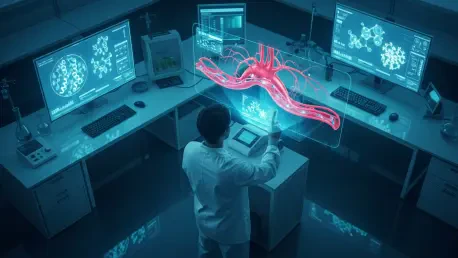
The scientific community has long searched for a way to reverse the cellular decay associated with chronic organ failure, yet recent breakthroughs suggest that a medication originally designed to repair cardiac tissue may hold the key to regenerating damaged kidneys. This innovative therapeutic

The transition from traditional trial-and-error chemical assays to high-precision computational forecasting has effectively rewritten the blueprint for modern therapeutic development across the global pharmaceutical industry. This evolution is particularly evident in the fight against Idiopathic