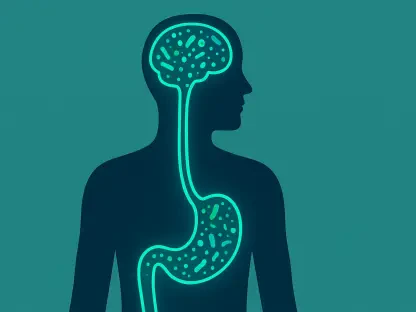

The decision to swap a traditional sugary beverage for a diet alternative carries the weight of a silent biochemical transformation occurring within the complex corridors of the human digestive system. While many individuals view these substitutes as simple tools for weight management or blood sugar control, the reality is far more complex. These compounds, often marketed as inert, are now recognized as active participants in a dialogue with trillions of microorganisms. This internal ecosystem, known as the microbiome, reacts to these additives in ways that can fundamentally alter metabolic health and the efficacy of modern pharmaceutical treatments.
Beyond the Calorie Count: The Hidden Chemistry in Your Diet Soda
Every time a consumer reaches for a sugar-free snack or a diet carbonated drink, the choice usually stems from a desire to protect the waistline and maintain stable energy levels. These “metabolically neutral” substitutes are marketed as a free pass to sweetness, providing the sensory experience of sugar without the perceived biological cost. However, recent scientific inquiries suggest the human body views these chemicals quite differently than the marketing suggests. Far from being passive passengers in the digestive tract, these additives engage in a silent chemical dialogue with the microbes that call the gut home.
The reality is that a specific choice of sweetener does not just affect the taste buds of the individual; it acts as a powerful biochemical agent. This agent can redefine internal health by influencing the growth and behavior of bacterial species responsible for digestion, nutrient absorption, and immunity. As the consumption of processed foods continues to rise, the impact of these substances has moved from a niche concern to a central issue in nutritional science. The chemical interactions occurring within the gut represent a frontier of health that is only beginning to be understood by the medical community.
Challenging the Myth of “Metabolically Neutral” Additives
For decades, the prevailing nutritional wisdom suggested that artificial and low-calorie sweeteners passed through the body without any significant physiological effect. This paradigm has been effectively dismantled by groundbreaking research from the University of Cambridge’s Medical Research Council Toxicology Unit. The study highlights that the gut microbiome—a delicate ecosystem responsible for everything from immunity to mood regulation—is highly sensitive to these foreign substances. This research indicates that the “neutrality” of these chemicals was an oversight in earlier toxicological assessments that failed to account for microbial life.
In a world where processed foods and daily medications are the norm, the intersection of diet and pharmacy has created what researchers call a “cocktail effect.” This trend of consuming multiple chemical agents simultaneously means that the safety of an ingredient can no longer be judged in isolation. Science must now consider how these substances interact within the complex environment of the human gut. The focus has shifted from the calorie count to the chemical profile, as the presence of sweeteners can change how the body processes other substances, including life-saving medications.
The Cocktail Effect: How Sweeteners and Common Chemicals Reshape the Microbiome
New evidence indicates that approximately 75% of commercially available sweeteners significantly alter the growth of essential gut bacteria. By testing 39 different sweeteners against 25 distinct bacterial species, researchers discovered over 100 unique interactions that change how these microbes thrive. These substances often act as inhibitors, slowing down the multiplication of beneficial bacteria necessary for gut homeostasis. The diversity of the microbiome is compromised when these additives are present, leading to a state of imbalance that can have systemic consequences for the host.
The complexity deepens when sweeteners are combined with “xenobiotics,” which are foreign chemical substances like caffeine, food flavorings, or common medications. In many cases, these combinations create a synergistic toxicity, where the impact on the microbiome is far more damaging than any single ingredient would be on its own. This loss of microbial diversity, known as dysbiosis, is a primary driver of metabolic and inflammatory diseases. The consumption of “healthy” sugar alternatives might be contributing to the very issues, such as obesity and insulin resistance, that the consumer was attempting to avoid.
The Isosteviol-Duloxetine Discovery: A Case Study in Chemical Synergy
The most striking example of this chemical interference involves the combination of isosteviol, a derivative of the natural sweetener stevia, and duloxetine, a widely prescribed antidepressant. This specific pairing has been shown to profoundly suppress two vital bacterial species: Roseburia intestinalis and Parabacteroides merdae. These microbes are critical for maintaining the integrity of the gut lining and regulating blood sugar. When these populations are diminished, the body loses a primary line of defense against inflammation and metabolic disruption, potentially worsening the conditions the medication was intended to treat.
With over 4.2 million patients in the United States alone taking duloxetine, the potential for millions of people to be unknowingly damaging their gut health through this incidental pairing is significant. This research proves that when certain sweeteners are mixed with common prescriptions, cellular toxicity can increase, interfering with the body’s natural inflammatory defenses. The findings suggest that the labels on both food products and pharmaceutical packaging may eventually need to reflect these interactive risks to protect public health from accidental chemical synergy.
Navigating a Processed World: Steps to Protect Your Internal Ecosystem
The transition toward a more resilient gut ecosystem required a shift from monitoring individual ingredients to understanding total chemical exposure. Protecting gut health involved adopting a framework of transparency regarding food additives and their interactions with pharmaceutical products. Individuals who audited their daily intake of diet products, especially those on long-term medication for chronic conditions, found greater success in maintaining microbial balance. Prioritizing whole, unprocessed foods emerged as a primary solution for eliminating synthetic flavorings and sweeteners from the daily routine.
Furthermore, the practice of choosing sweeteners with the fewest additives became a standard recommendation for those seeking to minimize chemical synergy. Healthcare professionals began advising patients to adjust their diet when taking medications like antidepressants or anti-inflammatories to improve microbial diversity. The development of informed dietary strategies based on drug-nutrient interactions provided a proactive way to safeguard systemic health. Ultimately, the integration of microbiome science into daily nutritional choices allowed for a more comprehensive approach to long-term wellness in an increasingly chemical-laden environment.