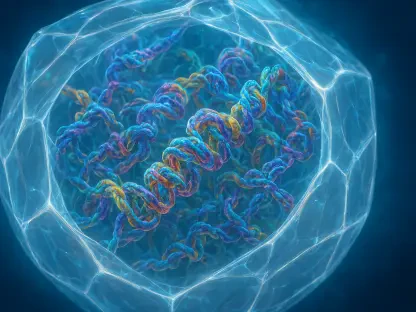
The South Korean government has officially introduced a bold strategic roadmap to transform its medical sector through the 2nd Basic Plan for Advanced Regenerative Medicine and Advanced Biopharmaceuticals. This five-year initiative, spanning the period from 2026 to 2030, aims to establish a
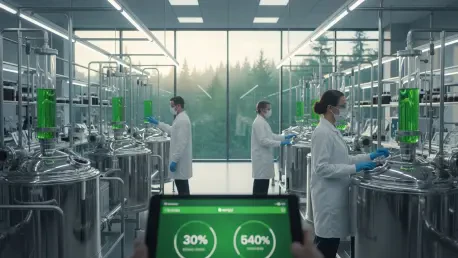
The global biopharmaceutical sector has reached a critical juncture where the success of a therapeutic breakthrough is now measured as much by its carbon footprint as its clinical efficacy. As healthcare systems worldwide grapple with the rising costs of climate-related illnesses, the industry has

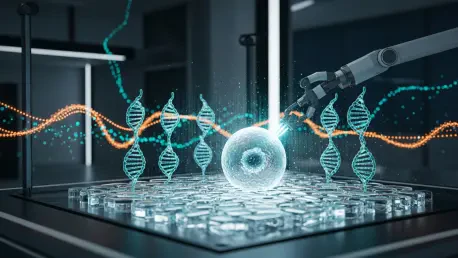
The sheer velocity of genetic engineering has shifted from basic DNA modification to a comprehensive biological operating system capable of rewriting the code of life with unprecedented accuracy and scale. This transition marks a departure from experimental science toward a period of industrial

The pharmaceutical landscape is currently undergoing a radical transformation as researchers attempt to bridge the gap between digital simulations and biological reality. For years, the biotechnology industry has grappled with the notorious data paradox, where artificial intelligence exhibits
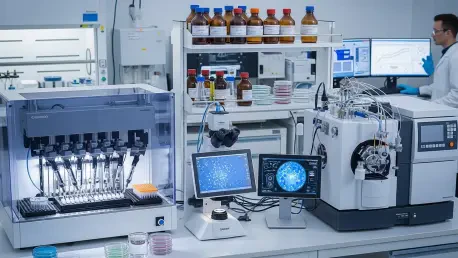
The pharmaceutical industry stands at a critical crossroads as the 2026 European Society for Medical Oncology (ESMO) Congress in Madrid prepares to showcase breakthrough therapies that could finally bridge the gap between experimental biology and transformative patient care. Immatics N.V. is
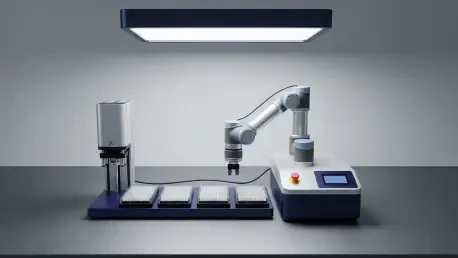
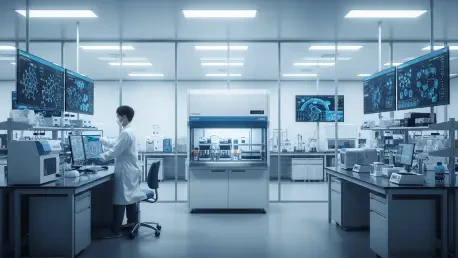
The relentless pursuit of scientific discovery often finds its greatest bottleneck not in the complexity of the hypothesis itself but in the physical limitations of manual liquid handling protocols. Historically, the reliance on human dexterity for repetitive pipetting has introduced significant