
Walking through the aisles of a modern pharmacy reveals a striking dichotomy between the ethical standards applied to surface-level beauty and those governing internal medicine. While the cosmetics industry successfully transitioned toward cruelty-free standards years ago, the pharmaceutical sector

The persistent lethality of glioblastoma has long forced the medical community to confront the sobering reality that traditional surgical and chemical interventions often fail against the brain’s most adaptable and aggressive predator. For decades, this malignancy has remained one of the most
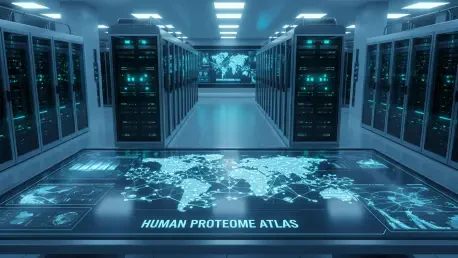
The recent publication of a comprehensive human proteome atlas in the journal Nature represents a transformative shift in biological research, moving the focus from static genetic code to the dynamic world of functional proteins. By quantifying over 13,600 proteins across a diverse range of

The medical community has long grappled with the reality that even the most promising biomarkers in oncology do not guarantee a successful outcome for every individual patient diagnosed with metastatic disease. In the realm of colorectal cancer, the identification of deficient DNA mismatch repair

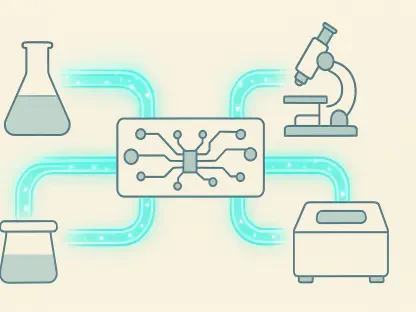
The global pharmaceutical landscape is currently navigating a profound transformation as researchers attempt to reconcile the astronomical promises of artificial intelligence with the uncompromising demands of laboratory validation. While the allure of accelerated data analysis remains a powerful

The relentless progression of advanced clear cell renal cell carcinoma often leaves clinicians and patients with few viable options after standard therapies have been exhausted. This specific form of kidney cancer is notorious for its ability to develop resistance to established treatments,