The rapid democratization of home genome sequencing has transformed millions of private living rooms into makeshift laboratories where individuals voluntarily trade their most intimate biological data for digital snapshots of their ancestry and health predispositions. While the convenience of these
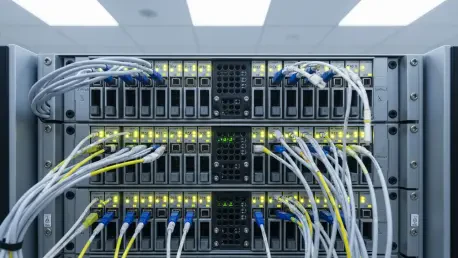
The convergence of advanced medical telemetry and distributed cloud architectures has transformed the modern hospital into a sprawling digital ecosystem where every heartbeat and medication dosage is mediated by an intricate network of interconnected sensors. Within this high-stakes environment,

The intersection of public health and artificial intelligence has reached a critical juncture as millions of individuals now turn to large language models for immediate medical guidance rather than consulting traditional healthcare providers. This shift has prompted researchers to investigate the
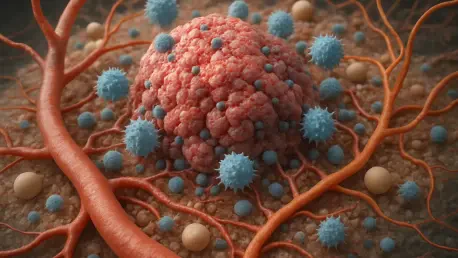
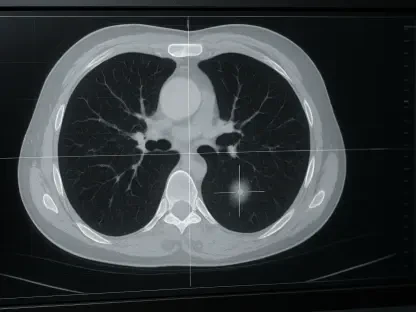
The shift toward perceiving oncological pathologies as dynamic ecological systems has fundamentally altered the trajectory of modern clinical intervention and therapeutic research. Recent breakthroughs led by specialized teams at Peking University have moved the medical community away from the

The escalating global prevalence of Alzheimer's disease has created an unprecedented urgency for therapeutic breakthroughs that move beyond traditional amyloid-beta and tau protein targets. While modern medicine has made significant strides in diagnosing cognitive decline, the pharmaceutical

The pharmaceutical industry has long struggled with a paradox where massive amounts of biological data are generated daily, yet only a fraction of this information translates into successful clinical outcomes due to deep-seated fragmentation. MindWalk Holdings Corp. addressed this bottleneck on