
Public health departments across the United States are currently reporting a staggering surge in gastrointestinal illnesses linked to microscopic parasites that evade traditional sanitation protocols. These microscopic invaders, specifically Cyclospora cayetanensis and Cryptosporidium, have

The flesh-eating larvae of the primary screwworm fly represent one of the most devastating biological threats to North American livestock industries and native wildlife populations alike. Unlike most blowflies that scavenge on carrion, the primary screwworm deposits its eggs in the open wounds of

The pharmaceutical sector is currently witnessing a monumental shift as legacy toxicology protocols that have remained largely unchanged for generations are finally being superseded by data-centric methodologies. This evolution is driven by the urgent need to address the limitations of concurrent
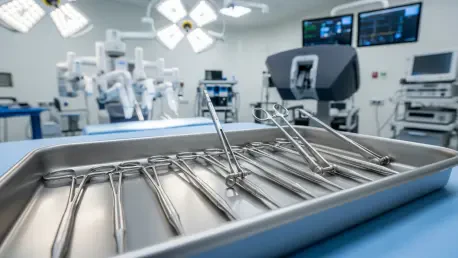
Modern healthcare facilities are increasingly moving away from reactive cleaning protocols toward integrated, autonomous systems that ensure surgical instruments remain sterile during the most complex medical procedures. This fundamental shift represents a broader transformation within the global

The recent tragedy involving a pediatric patient in a local clinic has ignited a fierce debate regarding the adequacy of existing safety protocols within the Texas dental community. For years, the dental profession operated under a degree of autonomy that allowed for office-based sedation without

The decision to swap a traditional sugary beverage for a diet alternative carries the weight of a silent biochemical transformation occurring within the complex corridors of the human digestive system. While many individuals view these substitutes as simple tools for weight management or blood