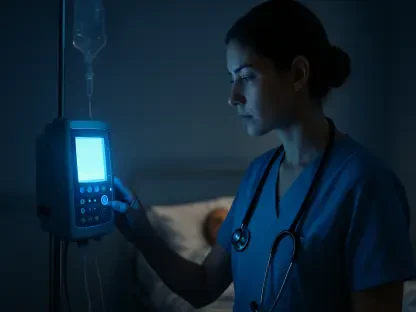

The silent hum of hospital corridors after midnight often masks a frantic digital race as exhausted clinicians attempt to conquer mountains of paperwork using unapproved software. While the executive suite deliberates on multi-year artificial intelligence roadmaps and complex procurement cycles,
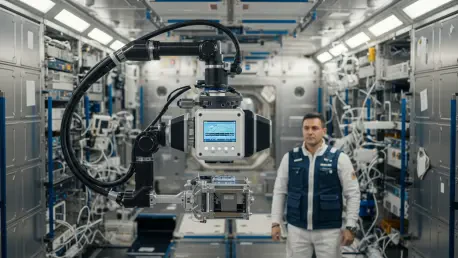
For nearly half a century, the primary method for visualizing internal injuries within the confines of a spacecraft remained restricted to ultrasound, a technique that often falls short when diagnosing complex fractures or identifying serious pulmonary conditions. While ultrasound is an

The instinct to avoid unfamiliar flavors may have protected early humans from toxic flora, but in the modern landscape of nutritional abundance, this reluctance often manifests as a persistent barrier to achieving optimal long-term wellness. While many parents assume that a child’s refusal to eat

The sterile stillness of the surgical suite is no longer defined solely by the rhythmic hum of life support systems or the precise directives of a lead surgeon. Instead, a new presence is emerging—mobile, bipedal, and capable of navigating the complex choreography of the operating room with

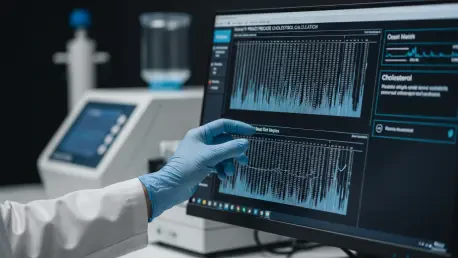
The rapid integration of machine learning algorithms into the modern clinical workflow has reached a point where digital diagnostics are frequently treated with the same level of reverence as peer-reviewed medical literature. As hospitals and clinics across the country adopt these sophisticated

The implementation of digital health tools often risks widening the divide between privileged and underserved patient populations, yet recent clinical evidence suggests that standardized remote monitoring may actually be the key to closing these long-standing disparities. The PRO-TECT (AFT-39)