
Standard laboratory protocols for washing and preparing harvested stem cells must be modified with pre-warmed solutions to prevent thermal shock in sensitive biological samples. This requirement becomes critically apparent when treating patients with Cold Agglutinin Disease (CAD), a rare autoimmune disorder where antibodies trigger the destruction of red blood cells upon exposure to cold temperatures. In the context of autologous stem cell transplantation (ASCT), which is often the gold standard for treating aggressive malignancies such as multiple myeloma, the standard reliance on refrigeration and cryopreservation poses a lethal threat. Traditional hematology practices often exclude CAD patients due to the high risk of catastrophic hemolysis, leaving them with limited options for managing their underlying cancers. However, recent medical breakthroughs have demonstrated that by maintaining a rigorous thermal envelope throughout the entire clinical journey, doctors can bridge the gap between necessary oncology treatments and the physiological constraints of cold-sensitive blood.
Targeted Pharmacological and Environmental Controls
The foundational step in mitigating the dangers of transplantation for CAD patients involves the strategic use of advanced pharmaceuticals to stabilize the immune environment. Current protocols often prioritize the administration of monoclonal antibodies such as sutimlimab, which specifically target the C1s enzyme in the classical complement pathway. By inhibiting this specific mechanism, medical teams can effectively prevent the immune system from marking red blood cells for destruction, even if minor temperature fluctuations occur. This pharmacological intervention serves as a biological safety net, lowering the baseline level of hemolytic activity before the physically demanding process of cell harvesting begins. Furthermore, stabilizing the patient’s hemoglobin levels through targeted therapy reduces the immediate need for emergency transfusions during the high-stress phases of the transplant. This preparatory phase is essential because it shifts the patient from a state of active autoimmune crisis to a controlled baseline, allowing the specialized oncology team to focus on the complexities of the upcoming hematopoietic stem cell collection without the constant threat of an immediate hemolytic event.
Beyond internal biological management, the physical environment where apheresis occurs must be meticulously recalibrated to maintain a consistent warmth that defies standard hospital settings. To achieve this, the treatment suite is typically heated to a minimum of 86°F (30°C), a temperature that can be uncomfortable for staff but is lifesaving for the patient whose blood is circulating through external machinery. Every inch of the apheresis circuit, including the tubing and the centrifuge where stem cells are separated, is wrapped in specialized insulation or active warming blankets to prevent any drop in temperature as the blood leaves the body. Clinicians also utilize fluid warmers for all intravenous inputs, ensuring that no cold fluids enter the venous system to trigger a localized agglutination reaction. This level of environmental control requires constant monitoring with digital thermal sensors placed at various points along the extracorporeal circuit. By maintaining this strict thermal envelope, the medical team ensures that the blood remains in a liquid, functional state, preventing the formation of micro-clots or mass red cell destruction that would otherwise lead to organ failure or systemic shock during the procedure.
Advanced Laboratory Processing and Re-infusion Tactics
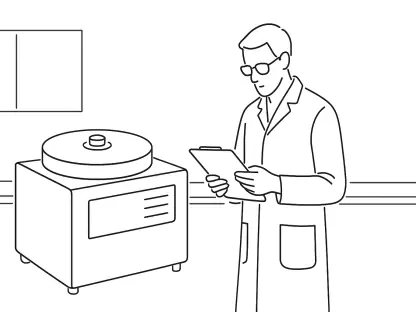
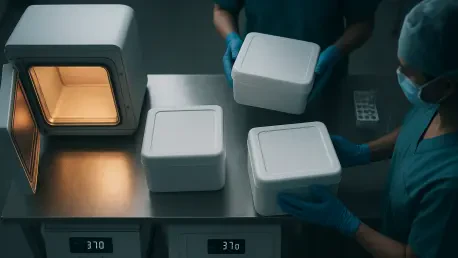
Once the stem cells are successfully harvested, the focus shifts to the specialized laboratory environment, where standard room-temperature protocols are entirely abandoned in favor of heated processing. Every solution used for washing, diluting, or preparing the harvested product is pre-warmed to exactly 98.6°F (37°C) in incubator-style warming chambers. This departure from conventional practice prevents the cold shock that typically occurs when biological samples are moved from the patient’s body to the lab bench. Technicians must work with heightened speed and precision, often utilizing heated work surfaces to ensure the sample temperature does not drift during the critical phases of concentration and cryoprotectant addition. While the final storage of stem cells still requires deep freezing in liquid nitrogen, the transition into this state is managed with extreme care to ensure the cells are protected by additives before they reach the freezing point. This meticulous attention to detail ensures that the graft remains viable and free from the harmful red blood cell debris that could cause a severe reaction when the patient later receives the cells.
The final re-infusion stage, following the administration of high-dose chemotherapy, represents the climax of the thermal protection strategy. After the patient’s bone marrow has been cleared of cancerous cells, the cryopreserved stem cells must be reintroduced with a protocol that balances rapid thawing with immediate warmth. The frozen units are submerged in a controlled 37°C water bath and, once liquefied, are immediately transported to the bedside in insulated containers. The administration process is conducted with the same level of environmental heating used during the initial collection, ensuring the patient’s body temperature remains elevated throughout the infusion. Recent clinical data has shown that when these protocols are followed, patients experience rapid engraftment with minimal adverse effects. Successful cases from 2026 to 2028 have demonstrated that patients who were previously transfusion-dependent due to CAD not only recovered from their malignancy but also saw a significant reduction in their autoimmune symptoms. This dual success underscores the power of a synchronized approach where the timing of the thaw is perfectly aligned with the patient’s physiological readiness to receive the cells.
A Multidisciplinary Blueprint for Future Care
The successful implementation of these specialized transplant techniques highlights the necessity of a multidisciplinary task force within major medical centers. This team-based approach brings together hematologists, transfusion medicine specialists, oncology nurses, and laboratory scientists who must communicate with perfect clarity to maintain the thermal chain of custody. Each department plays a unique role, from the pharmacy that manages the timing of complement inhibitors to the engineering staff that ensures the clinical environment can maintain elevated temperatures for extended periods. This organizational synergy is what allows for the safe navigation of the narrow therapeutic window available to patients with both aggressive blood cancers and cold-sensitive autoimmune disorders. Moreover, the creation of standardized warming kits and documented procedures for CAD-specific transplants has started to democratize this care, moving it from experimental research centers into broader clinical practice. This shift is vital for expanding access to life-saving treatments for patients in regional centers who lack the infrastructure for ad-hoc protocol modifications.
The evolution of these thermoprotective strategies transformed the landscape of hematological care by proving that physiological barriers could be overcome through technical precision. Medical institutions that adopted these integrated warming protocols successfully expanded their eligibility criteria, allowing high-risk patients to receive curative therapies that were previously withheld. Moving forward, the focus shifted toward the universal adoption of pre-warmed laboratory solutions and the integration of real-time thermal monitoring into all apheresis hardware. Clinicians recommended that every patient with a history of unexplained anemia undergo screening for cold agglutinins prior to initiating transplant evaluations to prevent unforeseen intra-operative crises. Furthermore, the development of portable, high-efficiency warming devices for stem cell transport became a priority for logistics providers. By institutionalizing these rigorous standards, the medical community ensured that the lessons learned from complex cases were translated into a safer, more predictable standard of care for all individuals facing the dual challenge of malignancy and cold-reactive autoimmunity.