
By analyzing the genetic relatedness of different fly populations, epidemiologists can determine whether new infestations are local developments or the result of international transport. Texas A&M University has recently initiated a massive $4 million genetic research project to address the alarming return of the New World screwworm to the United States. This two-year study, funded by the USDA’s New World Screwworm Grand Challenge, represents a sophisticated technological response to a parasite that was once eradicated from the country. By sequencing the genomes of thousands of individual flies, researchers at the College of Veterinary Medicine and Biomedical Sciences aim to build a comprehensive database to understand the parasite’s current molecular structure. The urgency of this project is driven by the parasite’s northward migration, which led to its official re-entry into the U.S. in June 2026. This resurgence follows decades of successful control, signaling that previous defense mechanisms may no longer be sufficient. The research is designed to provide animal health officials with the data needed to confront this biological threat before it can cause widespread devastation to the nation’s agricultural and ecological systems.
The Biology and Destructive Nature of the Parasite
Host Dynamics: Understanding the Screwworm’s Impact
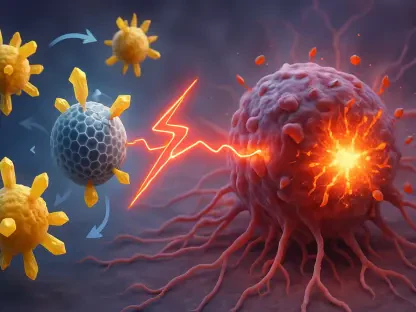
The New World screwworm is uniquely dangerous because it is an obligate parasite of warm-blooded animals, meaning it requires living tissue to survive. Unlike most fly larvae that feed on dead matter, screwworm larvae burrow into healthy tissue through minor wounds, such as scratches or insect bites. This infestation, known as traumatic myiasis, causes extreme pain, severe tissue destruction, and often leads to death if the animal is not treated quickly. The biological process begins when a female fly deposits eggs on the edge of a wound. Within hours, the larvae hatch and begin their destructive feeding, using specialized mouthhooks to anchor themselves while consuming the host from the inside out. This activity not only destroys the immediate area but also creates a foul-smelling discharge that attracts even more female flies, leading to multiple infestations on a single host.
While the cattle industry is at the highest economic risk, the screwworm does not discriminate between species. It poses a significant threat to horses, sheep, goats, and domestic pets like dogs and cats, as well as various wildlife populations. Because the infestation progresses so rapidly, it is considered a high-priority veterinary emergency that requires immediate medical intervention to prevent the loss of the host animal. Beyond the immediate physical trauma, infested animals often suffer from secondary bacterial infections and systemic toxemia. For livestock producers, the presence of the screwworm means increased labor costs for constant monitoring and potential trade restrictions. For wildlife conservationists, the parasite represents a major threat to endangered species that may not have the resilience to survive such aggressive parasitic attacks. Early detection is currently the only effective way to mitigate these catastrophic outcomes.
Parasitic Pathology: The Mechanism of Traumatic Myiasis
The progression of traumatic myiasis is characterized by a rapid and invasive transformation of a simple wound into a deep, necrotic cavity. Once the larvae hatch, they move in a synchronized fashion, tearing through muscle and connective tissue with remarkable efficiency. This process is highly inflammatory, triggering a massive immune response that often fails to halt the larvae but results in significant swelling and fever for the host. The sheer volume of larvae involved in a single infestation can be staggering, with hundreds of maggots potentially inhabiting a single wound site. This deep-seated colonization makes manual removal difficult and painful for the animal, requiring professional veterinary debridement and systemic antibiotic therapy to ensure survival. If the larvae reach vital organs or major blood vessels, the prognosis for the host animal becomes extremely guarded, often resulting in death within a week of the initial strike.
Furthermore, the environmental impact of such a destructive parasite cannot be overstated. In ecosystems where the screwworm becomes endemic, it can drastically alter the population dynamics of indigenous wildlife. Young animals, particularly newborns with unhealed umbilical sites, are the most vulnerable, leading to high mortality rates in the spring and autumn birthing seasons. This vulnerability creates a bottleneck in the reproductive success of both domestic and wild herds. From a biosecurity perspective, the presence of these flies complicates the movement of animals across state and national borders, as a single undetected infestation can introduce the parasite into a previously clean region. The technological efforts at Texas A&M are focused on stopping this cycle by providing the genomic tools necessary to identify and neutralize these populations before they can establish a permanent foothold in the American landscape.
Historical Context and Technological Modernization
Evolution of Control: From Successful Eradication to Modern Resurgence
In the mid-20th century, the United States successfully eradicated the screwworm using the “sterile insect technique,” which involved releasing lab-sterilized male flies to disrupt the mating cycle. This effort established a biological barrier in the Darien Gap to prevent the parasite from moving north. However, this barrier began to fail around 2021 due to changing environmental conditions and animal movement, allowing the parasite to march through Central America and back into the U.S. This failure was not a sudden collapse but a gradual erosion caused by a combination of extreme weather events and shifts in global trade patterns. By the time the parasite was detected in the United States in June 2026, it had already established established breeding colonies in several neighboring regions, proving that the old containment strategies were no longer holding the line against the modern migration of the species.
The current resurgence is particularly concerning because the environmental landscape of 2026 is significantly different from that of the 1950s. Warmer average temperatures and longer humid seasons have expanded the potential habitat for the fly, allowing it to survive in regions that were previously too cold or dry. Additionally, the sheer volume of livestock transportation has increased exponentially, providing more opportunities for the parasite to hitchhike across vast distances. Scientists believe that the flies themselves may have evolved greater resilience or different behavioral patterns during their decades in Central and South America. Consequently, the eradication methods that once defined veterinary success are now being re-evaluated. The Texas A&M study is a direct response to this need for modernization, seeking to understand the new biological reality of a parasite that has successfully breached one of the most effective biological barriers in history.
Technological Frontier: Advanced Genomic Mapping and High-Performance Computing
The current Texas A&M initiative moves beyond traditional genetic analysis by utilizing whole-genome sequencing for thousands of specimens. Led by Dr. Guilherme Verocai, the team sequences nearly 100% of the DNA of each fly to identify tiny genetic variations. Using high-performance computing, researchers can compare different populations across geographic regions to create a real-time “genomic map” of the parasite’s evolution as it adapts to new environments. This massive data set allows for the identification of specific genetic lineages, providing a clear picture of how the flies are moving and which populations are most closely related. Traditional methods often relied on visible physical traits or small fragments of DNA, which were frequently insufficient for distinguishing between nearly identical populations. Whole-genome sequencing provides the resolution needed to see the “big picture” of the infestation.
High-performance computing acts as the engine for this genomic mapping, processing terabytes of data to find patterns that would be impossible for humans to detect. By analyzing these genetic signatures, the research team can determine if a particular fly found in Texas is a direct descendant of a population in Panama or a new variant that has adapted to the local climate. This level of detail is essential for the USDA to tailor its release of sterile flies; if the lab-grown flies are genetically too different from the wild ones, they may not mate successfully, rendering the sterile insect technique ineffective. The ability to monitor these genetic shifts in real-time ensures that control measures remain relevant and effective even as the parasite continues to evolve. This transition to data-driven biology marks a new era in the fight against invasive species, where computational power is just as important as field work.
Addressing Drug Resistance and Transmission Pathways
Resistance Monitoring: Identifying Genetic Markers for Treatment Failure
A major concern for the research team is the potential for antiparasitic resistance, which has already been reported in parts of South America. The study specifically looks for genetic markers that indicate a reduced susceptibility to common veterinary medications. By correlating these genetic findings with real-world clinical data, scientists hope to develop molecular diagnostic tests that allow veterinarians to quickly determine which treatments will be effective against a specific outbreak. Currently, many producers rely on a limited number of chemical classes to treat and prevent infestations. If the screwworm populations arriving in the U.S. have already developed resistance to these drugs, the traditional lines of defense will crumble, leading to uncontrolled outbreaks and massive economic losses. Identifying these markers early allows for the development of alternative treatment protocols before a crisis occurs.
The process of identifying these markers involves comparing the genomes of flies that survived treatment with those that were susceptible. By isolating the specific mutations responsible for drug tolerance, the Texas A&M team can create a library of resistance genes. This library serves as an early warning system for the entire veterinary community. If a routine screening of flies at the border reveals a high prevalence of these resistance markers, animal health officials can immediately shift to alternative medications or implement stricter quarantine measures. This proactive approach prevents the spread of resistant strains, which is far more cost-effective than trying to manage a resistant population once it has already spread throughout the country. The integration of genomic data into clinical decision-making represents a significant leap forward in precision veterinary medicine, ensuring that every treatment is both necessary and effective.
Epidemiological Tools: Using Genetic Fingerprinting for Tracking
Genomics also serves as a powerful tool for “pathway analysis,” allowing researchers to determine the origins of specific infestations through genetic fingerprinting. If an outbreak occurs in a new state, scientists can trace whether the flies originated from Mexico or were introduced through animal transport from Central America. This information is vital for authorities to prioritize resources, strengthen border checkpoints, and implement effective quarantine measures. By knowing exactly where a threat is coming from, officials can close the specific gaps in biosecurity that allowed the parasite to enter. Genetic fingerprinting provides an undeniable record of movement, much like a biological passport, that reveals the hidden history of the parasite’s journey into the United States. This forensic approach turns every collected specimen into a source of intelligence that can be used to prevent the next wave of infestations.
Furthermore, this tracking technology allows for the creation of predictive models that anticipate the parasite’s future movements. By understanding which genetic variants are most successful in specific environments, researchers can forecast which regions are at the highest risk during different times of the year. For instance, if a specific strain shows a high tolerance for cooler temperatures, officials can focus their surveillance on northern states during the autumn months. This strategic allocation of resources ensures that the USDA and state agencies are always one step ahead of the parasite. In the long term, these epidemiological tools will be used to monitor the effectiveness of the entire eradication program, providing clear data on whether local populations are being successfully suppressed or if new introductions are continuing to fuel the outbreak. This constant feedback loop is essential for maintaining the integrity of the nation’s borders.
International Cooperation and Veterinary Practice
Regional Alliances: The Importance of the Honduras Partnership
International collaboration is a cornerstone of this initiative, particularly the partnership with animal health authorities in Honduras. Since Honduras is currently experiencing an active outbreak, it provides a diverse range of specimens and essential metadata, such as host species and geographic coordinates. This data allows the Texas A&M team to understand the parasite’s behavior and genetic diversity in a variety of environments before it spreads further into temperate regions. The collaboration involves the exchange of research personnel and the sharing of laboratory resources, fostering a unified front against a shared biological threat. By studying the parasite in a region where it is currently endemic, researchers can observe how it interacts with different livestock management practices and wildlife ecosystems, providing valuable insights that can be applied to the U.S. context.
The metadata provided by Honduran officials is just as important as the biological samples themselves. Knowing the exact conditions under which a fly was collected—such as the altitude, humidity, and the specific health status of the host—allows researchers to correlate genetic traits with environmental preferences. This context is critical for understanding the adaptability of the New World screwworm. For example, if certain genetic markers are consistently found in flies at higher altitudes, it suggests that those strains may be better equipped to survive in mountainous regions of the United States. This international exchange of information ensures that the Texas A&M study is grounded in the reality of the current outbreak, rather than being limited to laboratory observations. The partnership also helps to build diagnostic capacity within Central America, creating a broader network of surveillance that benefits the entire Western Hemisphere.
Practitioner Guidance: Practical Implications for Clinical Medicine
The study has direct benefits for veterinarians, who serve as the primary defense against the parasite. The research emphasizes the need for high clinical suspicion when treating any “maggot-infested” wound that involves deep tissue damage. By understanding that the screwworm affects livestock, pets, and wildlife alike, practitioners can better monitor surgical sites and routine wounds, while following official protocols for reporting and specimen collection. Veterinarians are being trained to recognize the specific signs of traumatic myiasis, such as the characteristic odor and the way the larvae congregate in a circular, deeply recessed pattern within the wound. This clinical expertise is the first link in the chain of surveillance, as a single correctly identified case can trigger a rapid response that prevents a local infestation from becoming a regional epidemic.
Moreover, the research provides veterinarians with updated guidance on wound management and preventative care. In areas where the screwworm is active, even minor procedures like ear-tagging or castration must be managed with extreme care, often requiring the application of preventative larvicides. The study’s findings on drug resistance will eventually lead to more accurate treatment recommendations, ensuring that veterinarians are using the most effective products available. By participating in the reporting process, practitioners contribute directly to the national database, helping to refine the genomic maps used by researchers. This symbiotic relationship between the laboratory and the clinic is essential for the success of the project. The ultimate goal is to provide every veterinarian with the tools and knowledge they need to protect their patients and the broader animal population from this devastating parasitic threat.
Future Innovations in Parasite Management
Open Science: Long-term Goals for Control
Texas A&M intended for this genomic database to be a public resource, encouraging an open-science approach to accelerate new control technologies. The data gathered throughout the 2026 to 2028 study period was made accessible to researchers globally, fostering a collaborative environment for innovation. This transparency allowed scientists to refine the sterile insect technique by ensuring lab-produced flies remained genetically compatible with wild strains. By analyzing the massive influx of DNA sequences, the scientific community began identifying “conserved” regions of the genome—parts of the DNA that remained unchanged across different fly populations. These stable regions became the primary targets for the development of new vaccines and highly targeted medications, ensuring that any future treatments would remain effective despite the parasite’s ability to evolve.
The move toward open science also facilitated the development of rapid, field-deployable diagnostic tools. Companies utilized the shared genomic data to create handheld sensors capable of identifying screwworm larvae in minutes, rather than days. This development significantly reduced the time between initial detection and the implementation of quarantine measures. Furthermore, the database provided a foundation for exploring advanced genetic interventions, such as gene-drive technologies, which were studied for their potential to suppress wild populations in a controlled and ethical manner. By making the information public, the university ensured that the most brilliant minds in parasitology and genetics could contribute to the solution, transforming a national crisis into a global scientific endeavor that prioritized biosecurity and animal welfare over proprietary interests.
Final Strategy: A Unified One Health Approach to Biosecurity
The return of the New World screwworm in mid-2026 served as a catalyst for a broader shift in biosecurity policy. Experts agreed that the resurgence was one of the most significant threats to the American economy, prompting a unified “One Health” approach. This philosophy recognized that the health of livestock, wildlife, pets, and humans was fundamentally interconnected. The Texas A&M study was the cornerstone of this transition, moving away from reactive, localized treatments toward a proactive, data-driven system of population management. By integrating genomic tracking with traditional field surveillance, officials created a multi-layered defense system that monitored the movement of the parasite across all species. This holistic view was essential for managing a parasite that could easily bridge the gap between a commercial feedlot and a suburban backyard.
As the initiative concluded its primary phase, it established a new standard for how the United States responded to invasive biological threats. The project successfully mapped the transmission pathways of the 2026 outbreak and provided the molecular tools needed to detect drug resistance in the field. Veterinary protocols were updated nationwide to reflect the new genomic findings, and international partnerships were solidified to maintain a permanent surveillance network across Central America. The study did not merely investigate a parasite; it reinforced the nation’s biological borders and created a blueprint for future biosecurity challenges. By leveraging high-performance computing and global collaboration, the research community provided a sustainable path forward to secure the health of the continent’s animal populations for years to come.