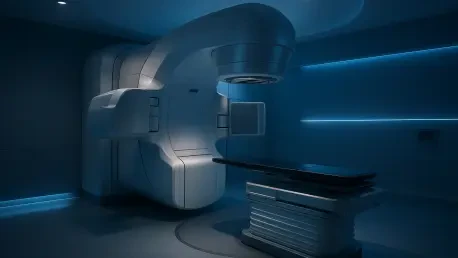

International researchers have identified a five-week chemoradiotherapy protocol that allows four out of five patients to avoid major surgery while maintaining their quality of life. This paradigm shift in oncology marks a departure from the traditional approach, where radical excision was considered the only viable path for long-term survival. For decades, patients diagnosed with rectal malignancies faced the daunting prospect of permanent colostomies and significant alterations to their physical autonomy. The emergence of refined treatment sequences has proven that the body can often achieve a clinical complete response without the need for invasive scalpel-based interventions. By prioritizing organ preservation, medical professionals are now able to focus on the holistic well-being of the individual, ensuring that the cure does not become as debilitating as the disease itself. This evolution in clinical practice reflects a deeper understanding of tumor biology and the synergy between radiation and systemic agents.
Innovations in Organ-Preserving Oncology
Clinical Mechanics of Short-Course Chemoradiotherapy
The core of the new protocol involves a meticulously timed five-week course of radiation combined with specific chemotherapy agents that sensitize cancerous cells to ionizing energy. Unlike older methods that utilized lower doses over longer periods, this concentrated approach maximizes the disruption of DNA within the tumor while minimizing the exposure of surrounding healthy tissue. From 2026 to 2028, clinical trials have increasingly demonstrated that this intensity is sufficient to induce a state where no visible cancer remains during follow-up examinations. The success of this technique lies in the window of opportunity it creates for the immune system to recognize and attack residual malignant fragments. By utilizing sophisticated linear accelerators, oncologists can now achieve a level of precision that was previously unattainable, effectively melting away tumors that would have required extensive surgical margins in the past. This progress ensures that therapeutic delivery is both potent and safe.
Beyond the physical reduction of the tumor, the metabolic changes induced by this protocol provide a significant advantage in preventing local recurrence. The integration of modern systemic therapies ensures that micro-metastatic disease is addressed simultaneously, offering a dual-layered defense against the progression of the illness. Observations in contemporary medical centers suggest that patients undergoing this regimen experience fewer acute toxicities than those subjected to the older, more protracted schedules. This efficiency not only improves the immediate patient experience but also streamlines the workload within oncology departments, allowing for a higher throughput of cases without compromising the standard of care. As the data continues to mature, the distinction between “resection” and “remission” becomes increasingly clear, with many patients achieving the latter through non-invasive means. The biological response observed in these cases serves as a compelling argument for the prioritization of neoadjuvant strategies.
Strategic Monitoring and the Watch and Wait Model
Implementing a non-operative strategy necessitates a rigorous and highly standardized monitoring phase known as the Watch and Wait protocol. This phase relies heavily on high-resolution MRI and endoscopic evaluations performed at frequent intervals to ensure that any sign of tumor regrowth is detected at the earliest possible stage. In the current landscape of 2026, these diagnostic tools have reached a level of sensitivity that allows clinicians to distinguish between benign scarring and active residual disease with remarkable accuracy. Patients who enter this pathway must be committed to a strict schedule of surveillance, which serves as the safety net for the avoidance of surgery. This proactive approach ensures that if a local regrowth does occur, it can still be managed with curative intent, often through localized excision rather than radical surgery. The reliance on advanced imaging technology highlights the shift toward a more data-driven and personalized form of oncology.
The adoption of non-operative management strategies for rectal cancer established a new benchmark for patient-centered care in modern medicine. Researchers confirmed that the psychological and physiological benefits of avoiding a permanent stoma were profound, leading to higher levels of patient satisfaction and better long-term health outcomes. Moving forward, healthcare institutions must invest in specialized training for multidisciplinary teams to ensure the accurate assessment of treatment responses. It was observed that the success of these programs depended on the seamless collaboration between radiologists, oncologists, and surgeons. Future efforts should focus on expanding access to high-resolution diagnostic imaging and developing clear guidelines for patient transition into surveillance programs. By standardizing these protocols, the medical community successfully shifted the focus from merely treating a pathology to preserving the full functionality of the human body. This required a commitment to evidence-based conservative management.