
Simulation results using the MIMIC-IV clinical database demonstrate that decentralized models can achieve high predictive accuracy while maintaining nearly zero privacy leakage. The digital healthcare landscape is currently struggling with a profound paradox where the massive volume of generated
Feature selection techniques like LASSO and PCA are essential for filtering noise from the vast datasets generated by high-resolution radiomic analysis. This realization sits at the heart of a transformative shift in medical imaging, where clinicians are moving away from subjective visual
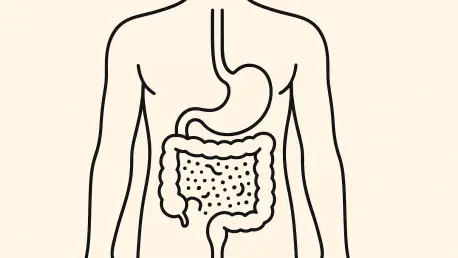
In partnership with the health science company ZOE, researchers are now tracking brand-specific food consumption to determine if certain chemical additives contribute to cancer risk. For decades, bowel cancer was almost exclusively a concern for the elderly, with the vast majority of cases
Long non-coding RNAs often migrate to the nucleus to orchestrate chromatin remodeling, while microRNAs typically reside in the cytoplasm to silence specific messenger RNA transcripts. This fundamental spatial arrangement defines the functional identity of a cell, acting as a complex logistics
Testing with synthetic electronic health records reveals that advanced security frameworks can actually increase transaction speeds and reduce latency compared to traditional medical data storage models. This discovery serves as a cornerstone for the modern healthcare industry, which is currently
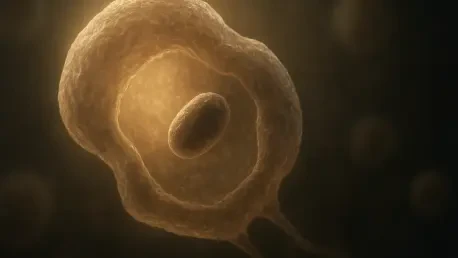
Research from the MitoCarta Tree of Life project has revealed that mitochondria likely emerged late in the eukaryotic timeline after cells had already developed internal structures. This monumental finding comes from an extensive collaboration involving institutions like the Broad Institute of MIT