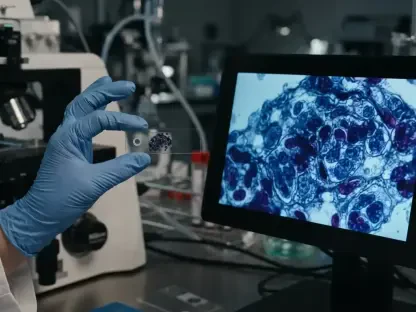

The launch of the Food and Drug Administration's Real-Time Clinical Trials pilot initiative during the current fiscal cycle marks a significant step toward updating a drug development process often criticized for being slow and technologically outdated. This move signals a departure from the

As the biopharmaceutical industry faces mounting pressure to accelerate time-to-market while maintaining rigorous data standards, the intersection of laboratory hardware and digital intelligence has become a critical focal point for modern innovation. Distek, Inc. recently celebrated fifty years of

The field of nuclear medicine is currently witnessing a transformative shift as researchers leverage advanced artificial intelligence to solve the long-standing challenge of unpredictable radiation absorption in cancer patients. Recent breakthroughs led by Dr. Amit Nautiyal and a dedicated team of

The South Korean government has officially initiated a monumental multi-billion dollar strategic program designed to fundamentally restructure the national scientific landscape through the pervasive integration of advanced artificial intelligence technologies. This ambitious endeavor, primarily

The landscape of modern medicine is undergoing a profound metamorphosis as the Robin AI system demonstrates that autonomous drug discovery is no longer a theoretical concept but a tangible operational reality for major laboratories. This transition marks a departure from traditional trial-and-error
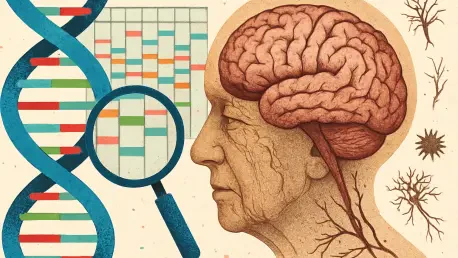
Current research suggests that the paradigm for neurodegenerative care is shifting from reactive management to a proactive genetic-first strategy that promises to identify risks decades before memory loss begins. In the landscape of 2026, the medical community no longer views Alzheimer’s as a