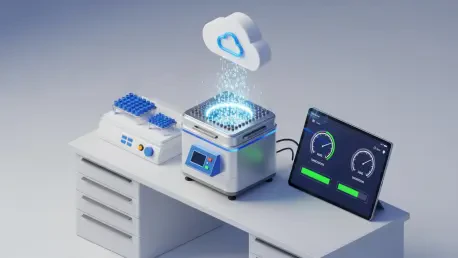

As the biopharmaceutical industry faces mounting pressure to accelerate time-to-market while maintaining rigorous data standards, the intersection of laboratory hardware and digital intelligence has become a critical focal point for modern innovation. Distek, Inc. recently celebrated fifty years of corporate history by launching the BIOne Core Software, a cloud-hosted historian platform that represents a fundamental shift in the company’s strategic direction. This milestone marks the transition from a traditional laboratory equipment manufacturer to a comprehensive provider of Software-as-a-Service (SaaS) solutions tailored for the complex needs of bioprocessing. By centralizing data management through a unified dashboard, the platform effectively bridges the gap between physical benchtop operations and digital oversight. This digital evolution is not merely a technical update but a response to the growing demand for real-time monitoring and automated data logging in research and development environments across the globe.
Advancing Laboratory Infrastructure Through Cloud-Based Integration
The Gateway: Streamlining Hardware-to-Cloud Connectivity
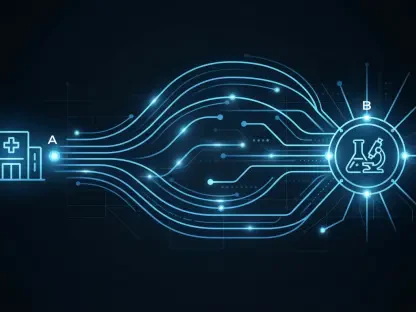
The technical architecture of the BIOne Core platform utilizes a sophisticated hybrid model designed to simplify the transition to digital data management for laboratories of all sizes. At the heart of this system is BIOne Connect, a lightweight local application that serves as a secure and efficient gateway between physical bioreactor controllers and the cloud environment. This setup effectively eliminates the traditional requirement for heavy IT infrastructure and expensive on-premise servers that have historically hindered smaller laboratories or academic institutions from adopting advanced historian tools. By offloading the burden of server maintenance and hardware upkeep to a managed cloud environment, scientists can redirect their focus toward primary research objectives rather than troubleshooting connectivity issues. This streamlined approach ensures that data is transmitted securely and consistently, providing a reliable foundation for long-term bioprocess stability.
Furthermore, the integration of this cloud-hosted platform allows for a more scalable approach to laboratory growth compared to localized solutions. As research needs expand, the BIOne Core environment can accommodate additional units and higher data volumes without requiring a parallel increase in local computing power or physical storage space. This flexibility is particularly advantageous for organizations operating across multiple sites, as it provides a centralized repository for data that remains accessible from any authorized location. The hybrid nature of the architecture ensures that while the data is stored and analyzed in the cloud, the local controllers maintain their operational integrity, providing a safety net that protects ongoing experiments from potential network fluctuations. This balance between local reliability and cloud-based power represents a significant step forward in the digitalization of the modern laboratory, making high-level data management accessible to a broader audience.
User Experience: Bridging the Gap Between Benchtop and Screen
The software’s interface was meticulously designed to mirror the existing BIOne controller user experience, significantly reducing the learning curve for laboratory staff. By maintaining visual and functional consistency between the physical hardware and the digital platform, scientists can transition between tasks with greater ease and fewer operational errors. This intuitive design philosophy ensures that the software acts as a natural extension of the laboratory’s physical equipment rather than a separate, complex tool that requires extensive retraining. Scientists benefit from live process trending that tracks multiple parameters across different units simultaneously, allowing for immediate intervention if a process begins to drift outside of its established parameters. The ability to view real-time data from a remote dashboard empowers teams to maintain oversight of critical experiments without being physically present at the benchtop at all times.
In addition to real-time monitoring, the platform offers highly customizable visualization templates that allow users to tailor the data presentation to their specific research needs. These templates facilitate rapid setup for new experimental runs and enable easy side-by-side comparisons between different batches or conditions. By providing a clear and organized view of complex bioprocess data, the software helps researchers identify trends and anomalies that might otherwise remain hidden in fragmented datasets. The integration of these visualization tools directly into the cloud platform ensures that all team members are looking at the same information, fostering better communication and collaboration during the analysis phase. This focus on user-centric design not only improves the daily workflow of the individual scientist but also enhances the overall productivity and output of the laboratory, ensuring that data insights are translated into actionable results more quickly.
Operational Excellence and the Path to Regulatory Readiness
Automated Logging: Securing Data Integrity and Accuracy
To address the industry-wide necessity for absolute data integrity, the BIOne Core platform automates the entire logging process, effectively removing the risks associated with manual data entry. In traditional laboratory settings, human error during the recording of process parameters can lead to significant setbacks or even the loss of critical intellectual property. By implementing a system that captures data points automatically and in real time, Distek ensures that every process record is comprehensive and accurate from start to finish. This automated approach also includes robust monitoring and alarm systems that notify users of any deviations, providing a detailed history of the event and any subsequent corrective actions. Such a high level of transparency is essential for maintaining the credibility of research findings and for supporting the reproducibility of complex biological processes across different experimental stages.
Beyond simple data capture, the platform incorporates detailed audit trails that allow users to add specific notes directly to the digital record of a process. This feature ensures that the context behind certain decisions or observations is preserved alongside the raw data, creating a rich and informative history for every run. These audit trails are crucial for internal quality control and external reviews, as they provide a clear map of who did what and when. The platform’s ability to export this data seamlessly to other systems, such as Laboratory Information Management Systems (LIMS), further enhances its utility within a connected research environment. This interoperability ensures that data flows smoothly between different stages of the development cycle, reducing the time spent on administrative tasks and allowing researchers to spend more time on innovation and discovery.
Quality Assurance: Navigating the Complexities of Regulatory Compliance
While the software provides robust tools for data tracking and security, users operating within highly regulated environments must still evaluate how these tools align with their specific quality management systems. The platform incorporates several key features necessary for regulatory compliance, such as secure logging protocols and detailed audit histories, which are foundational for meeting international standards. This makes BIOne Core a powerful asset for laboratories seeking to maintain high levels of transparency and accountability in their bioprocessing workflows. However, the successful implementation of such a system requires careful consideration of its validation status relative to the unique operational requirements of each individual facility. Engaging with quality assurance teams early in the adoption process ensures that the software is integrated in a way that fully supports compliance goals without disrupting established laboratory protocols.
The transparency provided by the BIOne Core platform also simplifies the preparation for audits and inspections by centralizing all relevant process data in an easily accessible format. Instead of searching through multiple paper logs or disparate digital files, researchers can generate comprehensive reports that detail the entire history of a specific run or project. This level of organization not only demonstrates a commitment to quality but also reduces the stress and resources required to manage regulatory inquiries. As the regulatory landscape continues to evolve, having a flexible and data-rich historian tool becomes an increasingly important part of a lab’s strategic infrastructure. By prioritizing data security and traceability, the platform helps organizations build a more resilient and compliant operation, ultimately protecting the value of their research and ensuring that their processes are ready for the transition from the laboratory to commercial production.
Navigating the Global Digital Transformation of Bioprocessing
Data Principles: Embracing Interoperability and Global Collaboration
The launch of BIOne Core aligns with a significant industry-wide shift toward digitalized environments and the widespread adoption of FAIR data principles. By ensuring that data is Findable, Accessible, Interoperable, and Reusable, the platform helps laboratories break down the traditional data silos that have historically slowed down the pace of biopharmaceutical innovation. This movement toward cloud-based centralization allows for more sophisticated analysis and collaboration across the global landscape, as researchers can securely share insights and results with colleagues regardless of their physical location. In an era where cross-functional and cross-border partnerships are becoming the norm, having a unified data platform is essential for maintaining a competitive edge. The ability to synthesize data from multiple sources into a single, cohesive view enables a more holistic understanding of bioprocess dynamics and leads to more informed decision-making.
Furthermore, the platform’s adherence to these principles supports the long-term utility of the data, ensuring that it remains a valuable asset long after an experiment has concluded. As laboratories increasingly turn to advanced analytics and machine learning to optimize their processes, the availability of clean, well-organized data becomes a critical prerequisite for success. BIOne Core provides the necessary framework for collecting and storing this data in a way that is compatible with modern analytical tools, paving the way for future breakthroughs in process optimization. By fostering a culture of data sharing and interoperability, Distek is helping to create a more connected and efficient bioprocessing ecosystem. This strategic alignment with global data standards ensures that laboratories are not only solving today’s challenges but are also building the digital foundation required for the next generation of biopharmaceutical advancements.
Economic Strategy: Leveraging the SaaS Model for Flexible Growth
Adopting a Software-as-a-Service model for the BIOne Core platform offers a more flexible financial structure for laboratories, allowing them to manage costs through operational expenditures rather than large upfront capital investments. This approach makes advanced data management tools accessible to a wider range of organizations, including startups and academic labs that may have limited capital budgets but still require high-level historian capabilities. By lowering the barrier to entry, Distek is democratizing access to the digital tools that are necessary for success in the modern bioprocessing market. This financial flexibility also allows organizations to scale their software usage in line with their actual needs, ensuring that they are only paying for the resources they use. Over time, this model can lead to significant cost savings by reducing the need for expensive IT support and hardware upgrades.
When compared to generic historian tools, BIOne Core offers a significant “plug-and-play” advantage because it was designed specifically for the BIOne hardware schema. This specialized focus ensures a level of integration and ease of use that is difficult to achieve with more generalized solutions. For laboratory managers, this means a faster implementation time and a quicker return on investment, as the system can be up and running with minimal configuration. The SaaS model also ensures that users always have access to the latest software updates and security patches, further reducing the administrative burden on laboratory staff. Ultimately, the combination of a specialized technical design and a flexible economic model reinforces the platform’s role as a leader in the digital transformation of bioprocessing. This strategic approach ensures that laboratories of all sizes can benefit from the power of cloud-based data management, driving innovation across the entire industry.
The adoption of cloud-hosted bioprocessing tools provided a clear path toward operational agility and long-term scientific viability. Stakeholders who prioritized the transition to unified data environments successfully mitigated the risks of technical obsolescence while fostering a culture of data-driven decision-making. By moving away from siloed spreadsheets and toward integrated platforms like BIOne Core, organizations were able to streamline their path from initial research to commercial production. The strategic focus shifted from simple hardware maintenance to the active optimization of biological processes through advanced analytics and remote accessibility. Those who embraced these digital transformations found themselves better positioned to respond to market fluctuations and emerging therapeutic trends. Ultimately, the integration of physical hardware with sophisticated cloud architectures set a new benchmark for excellence, ensuring that laboratories remained competitive in an increasingly automated and interconnected global landscape.