
The convergence of artificial intelligence and deep clinical expertise is currently redefining the boundaries of what is possible in the highly specialized field of oncology diagnostics. Memorial Sloan Kettering Cancer Center and SOPHiA GENETICS have entered into a strategic collaboration to launch a new precision medicine hub designed to operationalize advanced research into actionable clinical outcomes. This partnership focuses on merging MSK’s vast repository of clinical knowledge with SOPHiA’s sophisticated DDM platform to create a streamlined pathway for data-driven healthcare. By formalizing this relationship, both organizations intend to develop scalable oncology solutions that improve diagnostic accuracy and treatment selection for patients worldwide. This initiative represents a significant step toward making high-level genomic insights a standard part of routine cancer care, moving away from centralized research models toward a more integrated, technology-native approach that benefits a wider array of medical institutions.
Integrating Diverse DatThe Power of Multimodal Insights
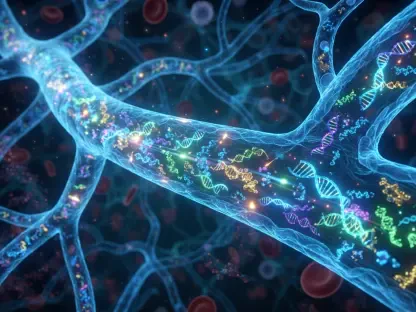
The precision medicine hub is established on the principle of multimodal oncology, which necessitates a more comprehensive perspective than traditional genetic sequencing alone can provide. By synthesizing genomic data with radiology images and digital pathology, the hub allows for a more detailed characterization of a patient’s specific cancer profile. This holistic methodology acknowledges that tumor behavior is influenced by a complex interplay of genetic mutations and the physical characteristics of the tumor microenvironment. Integrating these disparate data streams enables clinicians to identify subtle patterns that might be missed when analyzing a single information source. The goal is to move beyond a narrow focus on individual biomarkers and toward a sophisticated understanding of how diverse biological signals correlate with patient outcomes. This multi-layered approach is expected to significantly enhance the precision of diagnostic assessments and the effectiveness of therapeutic interventions.
Beyond its focus on data integration, the hub serves as a vital incubator for the rapid transition of laboratory innovations into real-world clinical applications. One of the most persistent challenges in modern oncology is the significant time delay between the discovery of a new diagnostic tool and its widespread adoption in hospitals. This partnership addresses this bottleneck by utilizing existing digital infrastructure to host and distribute new diagnostic tests and AI models at an accelerated pace. By leveraging the cloud-native capabilities of the SOPHiA DDM platform, specialized tests developed at MSK can be validated and deployed across a global network of partner laboratories. This setup ensures that the latest advancements in cancer detection do not remain confined to academic centers but are instead transformed into accessible medical technologies. Such a model provides the foundation for a more responsive healthcare system that can adapt to new scientific findings efficiently.
Universal Equity: Bringing Advanced Diagnostics to Local Clinics
A central pillar of this collaborative effort is the democratization of oncology intelligence, aimed at ensuring that geography does not dictate the quality of care a patient receives. In many regions, specialized diagnostic tools are often unavailable outside of elite academic institutions, creating a divide in patient outcomes based on location. The decentralized model promoted by the precision medicine hub seeks to eliminate this disparity by providing community hospitals and international medical centers with access to the same diagnostic precision found at MSK. Through this platform, local clinicians can upload complex genomic data and receive AI-supported interpretations that are grounded in world-class clinical expertise. This approach empowers healthcare providers in diverse settings to make more informed treatment decisions without requiring their patients to travel long distances. By equalizing the availability of high-level diagnostic insights, the partnership fosters a more equitable global health landscape.
The collaboration also offers substantial benefits to the biopharmaceutical sector by providing a robust environment for the development and validation of next-generation therapies. By having access to high-quality, real-world data and advanced analytical tools, pharmaceutical companies can more effectively design clinical trials and identify the patient populations most likely to respond to specific treatments. The hub facilitates the creation of sophisticated companion diagnostics and predictive algorithms that forecast treatment efficacy with greater accuracy. This data-driven approach not only accelerates the drug development timeline but also provides the regulatory evidence necessary for the approval of novel oncology medications. Furthermore, the ability to track patient responses across a global network allows for a deeper understanding of therapeutic resistance mechanisms. By bridging the gap between drug discovery and clinical utility, this joint venture helps bring effective treatments to market faster.
Scaling Innovation: Leveraging Historical Success for Future Growth
This initiative is not a departure from previous efforts but rather a significant expansion of a long-standing relationship between these two industry leaders. Over several years, SOPHiA GENETICS has successfully integrated MSK-developed assays into its global platform, demonstrating the feasibility of scaling complex scientific innovations. Tools such as MSK-IMPACT have already been deployed across dozens of countries, providing a proven template for how specialized cancer testing can be globalized. This history of successful collaboration provides a solid operational foundation for the current hub, as both teams have already established the technical and logistical workflows necessary for international data sharing. By building on these past successes, the new partnership can focus on more complex challenges, such as multimodal data integration and real-time clinical decision support. The transition from individual assay distribution to a comprehensive precision medicine hub represents the natural evolution of this productive synergy.
The move toward an AI-driven precision medicine hub aligns with broader shifts in the healthcare landscape, where there is an increasing reliance on molecular data for early intervention. As diagnostic technologies become more sensitive, the volume and complexity of information generated per patient have reached a point where manual interpretation is no longer efficient. Modern oncology requires sophisticated tools that can synthesize genomic, pathologic, and radiologic data into clear, actionable insights for the treating physician. The hub addresses this need by providing an AI-native environment that manages this complexity, allowing clinicians to focus on the human aspects of patient care. This focus on early molecular intervention is crucial for improving survival rates, as identifying the correct treatment path sooner can significantly alter the disease trajectory. By positioning themselves at the forefront of this trend, MSK and SOPHiA are helping to define the standards for clinical decision-making in the modern era of cancer treatment.
Finalizing the Blueprint: Strategic Integration and Regulatory Readiness
Leadership from both organizations views this venture as a fundamental shift in how applied precision oncology will be delivered on a global scale. By combining MSK’s deep clinical assets with an AI-native digital platform, they are creating a new paradigm for delivering personalized medical insights at an unprecedented volume. This strategic vision emphasizes the intersection of clinical expertise, cutting-edge technology, and a persistent commitment to improving patient outcomes across the globe. The focus remains on building a permanent infrastructure that supports both research and clinical diagnostics, ensuring that the hub remains relevant as medical science continues to evolve. This forward-looking approach seeks to establish a standardized framework for precision medicine that can be adopted by other institutions, further expanding the impact of the collaboration. The goal is to ensure that every patient has access to a treatment plan that is as unique as their own genetic profile and clinical history.
The finalized agreement between the two entities established a comprehensive roadmap for navigating the complex regulatory and technical requirements of international healthcare. Stakeholders prioritized the development of standardized data protocols that ensured global compliance while maintaining the highest levels of patient privacy and security. This foundation allowed for the successful pilot phases of the hub, which demonstrated the practical utility of multimodal AI in a variety of clinical settings. Moving forward, medical professionals emphasized the importance of expanding the hub’s database to include more diverse patient populations, thereby improving the generalizability of the predictive models. These proactive steps ensured that the infrastructure was robust and capable of scaling to meet the demands of a changing oncology market. By securing these operational benchmarks, the partnership created a sustainable model for the continued integration of artificial intelligence into the standard of care for cancer patients.