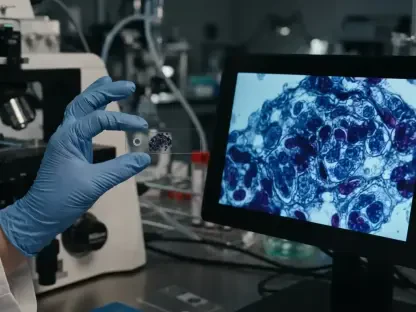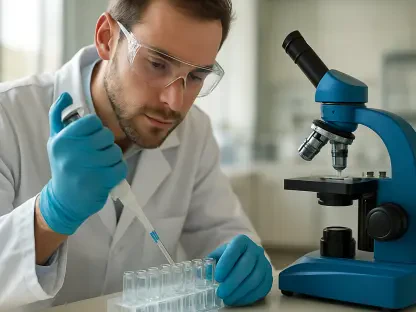

The transition of large language models from controlled laboratory environments to high-stakes clinical settings marks a transformative era where algorithmic predictions are finally being tested against the complex reality of human biology. This shift represents a move toward verifying if
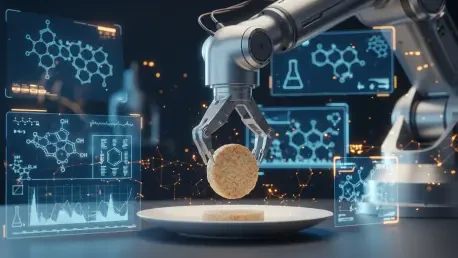
When a machine begins to deconstruct the chemical architecture of a hamburger, it does not see a meal but rather a high-dimensional optimization problem waiting to be solved. This shift represents a significant advancement in the food technology and culinary engineering sectors, where the
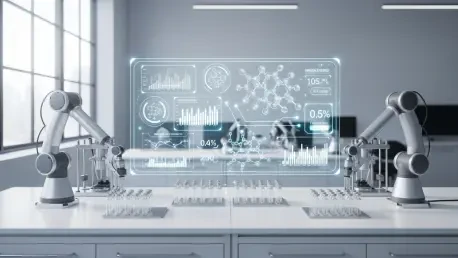
The global biotechnology sector is currently navigating a period of unprecedented expansion, yet this rapid growth has inadvertently created a massive environmental footprint that many firms are now struggling to address. While these organizations are pioneers of medical and agricultural

The medical landscape is currently experiencing a profound shift where algorithmic intelligence is no longer a peripheral novelty but a core component of clinical decision-making and daily patient care. Artificial intelligence has transitioned from a theoretical concept to a functional staple in
The human heart remains one of the few organs incapable of mounting a successful self-repair response following a major traumatic event like a myocardial infarction. While the liver can regrow and the skin heals seamlessly, the adult mammalian heart typically responds to injury by producing stiff,
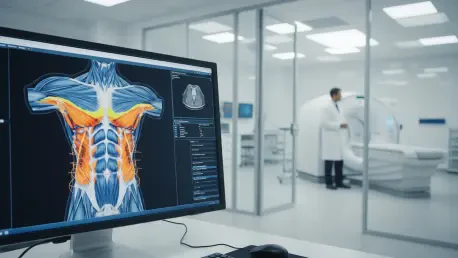
Determining the survival trajectory of a gastric cancer patient often relies on a microscopic examination of the tumor's architectural spread, yet this conventional approach frequently misses the vital physiological narrative of the host. Researchers at the State University of Campinas have