
Ivan Kairatov is a distinguished biopharma expert with a career dedicated to the intersection of medical research and technological innovation. With extensive experience in research and development, he has spent years navigating the complexities of drug discovery and diagnostic advancements,
Beneath the rhythmic expansion and contraction of the human chest lies a silent battlefield where microscopic intruders are met with an incredibly precise biological response. Every day, the average person inhales hundreds of invisible fungal spores, yet the majority of people never develop an
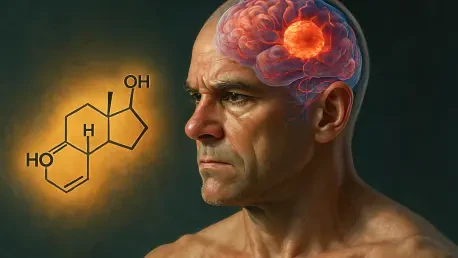
The medical community has long perceived male sex hormones as catalysts for various malignancies, yet recent findings regarding glioblastoma indicate that these same biological components might actually serve as vital protectors for the human brain. Glioblastoma multiforme remains one of the most

The scientific community has long been fascinated by the hidden dialogues occurring between the human microbiome and the delicate cellular structures of the gastrointestinal tract. For decades, researchers have investigated the complex relationship between these resident bacteria and the

The relentless progression of glioblastoma has remained one of the most daunting challenges in modern oncology, frequently leaving patients with limited options after standard care fails to provide a lasting reprieve. For nearly two decades, the therapeutic landscape for this aggressive form of
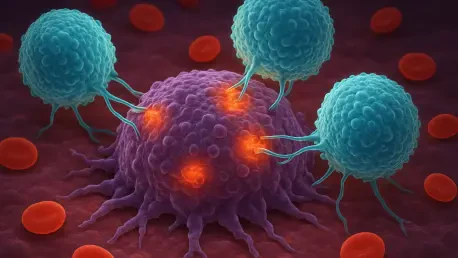
The sophisticated machinery of the human immune system often encounters a catastrophic breakdown when faced with aggressive malignancies that systematically dismantle the body's natural defense networks. While the immune system is theoretically designed to identify and destroy internal threats,