
The traditional paradigm of managing localized prostate cancer has long forced men into a difficult compromise between the clinical necessity of eradicating a tumor and the deeply personal desire to maintain their physical autonomy and quality of life. For decades, the standard path involved either invasive surgery or a watchful waiting period often fraught with emotional tension. However, current clinical findings are fundamentally changing this narrative, presenting a middle path that utilizes high-tech imaging to treat the disease without the collateral damage once thought to be inevitable.
Redefining the Prostate Cancer Treatment Journey
For many years, a diagnosis of intermediate-risk prostate cancer meant choosing between aggressive surgical intervention and the psychological burden of active surveillance. While robotic surgery was formerly viewed as the definitive standard for precision, recent data from the CAPTAIN Trial indicates that a non-invasive, MRI-guided approach is no longer just a secondary alternative. It has emerged as a primary way for men to reclaim their health and daily routines weeks earlier than traditional surgical methods typically allow.
The treatment journey is now being viewed through a lens of efficiency and functional preservation rather than just the total removal of tissue. This evolution reflects a growing understanding that the success of a procedure should be measured not only by oncological outcomes but also by how quickly a person returns to their community and career. The focus has shifted toward minimizing the period of convalescence, allowing patients to bypass the long, often painful road of post-operative recovery that characterized the previous era of urological care.
The Shift Toward Focal Therapy in Urological Oncology
Urological oncology is undergoing a significant transformation, moving away from the “one-size-fits-all” model that often mandated the removal of the entire prostate gland. As more individuals are diagnosed with localized, intermediate-risk cancer through advanced screening, the demand for focal therapy—treatment that targets only the diseased tissue—has increased dramatically. This demand is largely driven by a segment of the population that is increasingly unwilling to accept the significant risks of permanent incontinence or sexual dysfunction as a necessary price for cancer control.
Focal therapy represents a surgical philosophy that prioritizes the preservation of healthy tissue, treating the tumor with the same intent as a lumpectomy for breast cancer. By focusing solely on the lesion, clinicians can protect the surrounding anatomy that is critical for maintaining a high quality of life. This shift reflects broader trends in medicine where precision and biological preservation are valued as highly as eradication, especially when the cancer is caught in its earlier, localized stages.
Inside the CAPTAIN Trial: TULSA vs. Robotic Surgery
The CAPTAIN Trial stands as a landmark multi-center investigation, monitoring 212 men across 23 prestigious medical centers. By conducting a direct comparison between traditional robotic prostatectomy and MRI-guided transurethral ultrasound ablation, or TULSA, researchers provided a rigorous analysis of how these two distinct philosophies impact a patient’s immediate future. This randomized study is particularly significant because it moves the discussion from anecdotal success stories to validated clinical data.
Participants in the trial were carefully selected based on having localized, intermediate-risk profiles, ensuring that the results would be applicable to the largest group of men currently facing treatment decisions. The study tracked everything from blood loss and pain levels to the speed at which participants returned to work. This comprehensive approach allowed the research team to build a detailed profile of the recovery experience, offering a clear view of the trade-offs involved in choosing one method over the other.
The Technical Divide: Ablation vs. Excision
The primary difference between these treatments lies in how the diseased tissue is addressed. Robotic surgery involves the use of small incisions to physically excise the entire prostate gland, a process that necessitates general anesthesia and results in significant disruption to the pelvic floor muscles and surrounding tissue. While the robotic arms offer steady precision, the nature of excision is inherently invasive, requiring the reattachment of the bladder to the urethra and extensive healing of the internal surgical site.
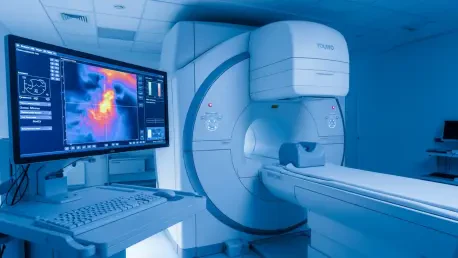
In contrast, TULSA is performed by interventional radiologists who utilize a transurethral probe to deliver high-energy ultrasound directly to the prostate. The procedure is governed by real-time MRI, which allows the physician to monitor heat levels inside the gland with millimeter precision. By using thermal energy to kill cancer cells while simultaneously cooling the surrounding nerves and muscles, TULSA avoids the physical trauma associated with cutting and suturing, maintaining the integrity of the pelvic anatomy.
Recovery Timelines and Hospitalization
The clinical data revealed a stark contrast in the immediate post-operative period for the two groups. TULSA is typically performed as an outpatient procedure, enabling most individuals to return home on the same day the treatment occurs. This stands in sharp contrast to robotic surgery, which frequently necessitates at least one overnight stay in a hospital for monitoring and pain management. The lack of major incisions in the ultrasound group translated directly into a lower risk of post-surgical infections and complications.
Furthermore, the TULSA cohort experienced significantly less blood loss and reported lower levels of post-procedural discomfort. Because the body does not have to repair large surgical wounds, the physiological stress of the procedure is greatly reduced. This reduction in trauma meant that patients required fewer analgesic medications and avoided the sluggishness and fatigue that often follow major abdominal surgery, setting the stage for a much more rapid physical bounce-back.
Preservation of Lifestyle and Function
Perhaps the most compelling evidence for patients is the speed of return to a normal lifestyle. While those undergoing robotic surgery often faced a multi-month trajectory of physical limitations and gradual healing, those in the TULSA group resumed work, exercise, and social activities within a single month. This rapid return to normalcy is a critical metric for working-age men and those who lead active lives, as it minimizes the economic and social disruption caused by a cancer diagnosis.
The functional outcomes—specifically urinary and sexual health—also favored the MRI-guided ultrasound approach in the early follow-up periods. Because the technology allows for safety margins to be established around the delicate nerves and sphincters, the incidence of side effects was markedly lower. Patients reported a higher degree of confidence in their physical control shortly after the procedure, which is often the most significant concern for men weighing their treatment options.
Expert Insights on the Future of Patient-Centered Care
Dr. David A. Woodrum of the Mayo Clinic, the primary investigator of the study, noted that the time spent in recovery was often the deciding factor for patients when selecting a treatment path. He explained that the CAPTAIN Trial provided the first high-quality randomized data to support the idea that men no longer had to sacrifice their overall well-being for effective oncological control. This research gave physicians a robust framework to move beyond subjective opinions and offer truly informed choices based on objective patient experiences.
The implications of this study suggested a future where the treatment of prostate cancer was personalized to the patient’s specific lifestyle goals. Medical experts emphasized that as the technology continued to mature, the focus would likely remain on refining these focal therapies to ensure they remained as durable as surgery while maintaining their superior recovery profile. This shift represented a broader commitment to patient-centered care, where the success of a medical intervention was judged by its ability to preserve the totality of a person’s life.
Navigating Your Treatment Options: Is TULSA Right for You?
When evaluating the management of prostate cancer, the clinical community looked toward a new standard where patients could balance efficacy with physical preservation. The suitability for TULSA depended heavily on the precise risk profile of the individual, specifically focusing on those with localized, intermediate-risk lesions that were clearly visible on a diagnostic MRI. Specialists recommended that patients confirm their eligibility by reviewing high-resolution imaging to ensure the cancer was contained within a treatable area.
The priority for many men remained the protection of functional health, and they sought out interventional radiologists who could explain the protective benefits of real-time thermal monitoring. It was concluded that while the short-term benefits were undeniable, a commitment to long-term surveillance was necessary to ensure that cancer control remained robust over time. This approach necessitated a collaborative relationship between the patient and a multi-disciplinary medical team to monitor progress through regular follow-up scans and blood work, ensuring that the initial victory over cancer was maintained for years to come.