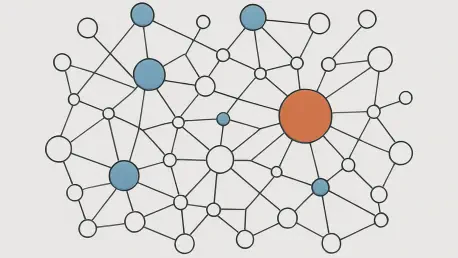

The persistent failure of conventional neuro-oncology treatments to extend median survival beyond eighteen months has catalyzed a profound transition from targeting individual malignant cells to orchestrating the total disruption of the glioma microenvironment. This shift represents more than just a new therapeutic target; it is a fundamental reimagining of the brain tumor not as a collection of rogue cells, but as a complex, self-sustaining ecosystem. By focusing on the “soil” rather than just the “seed,” clinicians are finally beginning to address the biological sanctuary that allows glioblastoma to resist even the most aggressive surgical and chemical interventions.
Evolution of the Microenvironment-Centric Paradigm in Neuro-Oncology
The traditional model of neuro-oncology primarily focused on the genetic mutations within the glioma cells themselves, operating under the assumption that killing the malignant cells would inevitably lead to a cure. However, the consistent stagnation of survival outcomes throughout the early 2020s prompted a pivot toward understanding why these cells survive in the first place. It became increasingly clear that the glioma tumor microenvironment (TME) provides an active, protective landscape that shields cells from radiotherapy and chemotherapy while simultaneously fueling their invasive behavior.
This paradigm shift has led to the development of technologies and therapies designed to modulate the surrounding ecosystem rather than just attacking the tumor core. The core principles of this approach involve dismantling the communication networks between the tumor and the healthy brain. By viewing the TME as a functional unit, researchers have identified that the resilience of the tumor is a collective property of malignant cells, immune regulators, and neural circuits working in a destructive harmony.
Core Components of the Glioma Ecosystem
To effectively disrupt this system, one must first understand that the glioma ecosystem is not a static background but a highly dynamic and interactive network. It comprises a specialized cast of cellular actors, including resident immune cells, neurons, astrocytes, and a structural framework of blood vessels. Each of these components is hijacked by the tumor to serve a specific role in its survival, creating a multifaceted barrier that no single-drug therapy has been able to penetrate successfully.
The interaction between these components is governed by complex signaling pathways that allow the tumor to “re-educate” its surroundings. This ecological perspective explains why localized treatments often fail; even if the primary tumor mass is removed or killed, the surrounding microenvironment remains primed to support the regrowth of any remaining malignant cells. Effective modulation, therefore, requires a strategy that can simultaneously address the immune, neural, and structural components of the niche.
Myeloid Plasticity and Immunosuppressive Barriers
At the heart of the immune failure in glioma is the role of resident microglia and recruited macrophages, which the tumor effectively turns into allies. Instead of fulfilling their natural role of detecting and destroying abnormal growth, these myeloid cells are reprogrammed to secrete cytokines and growth factors that actively suppress the immune response. This creates a state of “inflammation without immunity,” where the presence of immune cells in the tumor actually signals a worse prognosis because they are working to protect the malignancy.
Furthermore, the collaboration between these reprogrammed myeloid cells creates a biochemical shield that induces T-cell exhaustion. Even when the body’s adaptive immune system manages to send killer T-cells to the tumor site, the TME renders them dysfunctional and incapable of mounting an attack. Understanding this plasticity is vital because it suggests that the goal should not be to eliminate these immune cells, but to “re-educate” them back into an anti-tumor state, effectively turning the tumor’s most loyal defenders against it.
The Neuron-Glioma Synaptic Interface
Perhaps the most startling discovery in recent neuro-oncological research is the functional integration of glioma cells into the brain’s existing neural circuitry. Tumors do not just grow near neurons; they form actual excitatory synapses with them. Through these synaptic connections, normal neural activity releases neurotransmitters like glutamate, which directly stimulate the proliferation and migration of glioma cells. This integration essentially means that the more the patient’s brain functions normally, the more it may inadvertently drive the progression of the disease.
This feedback loop has given rise to the field of cancer neuroscience, which explores how the nervous system regulates cancer growth. By hijacking these synaptic interfaces, gliomas gain access to the same growth-promoting signals that the brain uses for development and learning. Modulating this interface requires innovative pharmacological approaches that can block these specific neurotransmitter signals without impairing the patient’s cognitive or motor functions, representing a delicate balancing act in therapeutic design.
Non-Immune Stromal and Vascular Architecture
The structural resilience of the glioma is further bolstered by reactive astrocytes and a highly disorganized vascular network. Astrocytes, which usually repair brain injury, are recruited by the tumor to enhance its invasive capacity and contribute to the local immunosuppressive environment through gap junction signaling. Meanwhile, the tumor-induced blood vessels are structurally chaotic and “leaky,” which might seem beneficial for drug delivery at first glance, but in reality, creates high interstitial pressure.
This pressure acts as a physical wall that prevents chemotherapy and other intravenous agents from reaching the dense core of the tumor. The metabolic resources like glucose and oxygen continue to flow to the tumor, but the disorganized nature of the vessels ensures that drug concentration remains sublethal. Consequently, vascular normalization has become a key metric in microenvironment modulation, as improving the structural integrity of these vessels can actually enhance the delivery of life-saving medications.
Emerging Trends in Cancer Neuroscience and Ecosystem Modulation
Current developments are moving rapidly toward the disruption of the “synaptic crosstalk” that allows tumors to thrive. We are seeing a significant shift in industry behavior, where the focus from 2026 to 2030 is expected to be on multimodal therapies that combine traditional cell-killing agents with “eco-disruptors.” These include drugs that target the specific receptors involved in neuron-glioma synapses, effectively “unplugging” the tumor from the brain’s power grid.
Moreover, the rise of real-time monitoring of the TME through advanced imaging and liquid biopsies is allowing for more precise adjustments to therapy. Instead of a one-size-fits-all approach, the trend is moving toward personalized ecosystem modulation. This involves analyzing the specific composition of a patient’s microenvironment—such as the ratio of suppressive macrophages to active T-cells—and tailoring the intervention to address the most dominant resistance mechanism in that specific individual.
Real-World Applications of TME-Targeted Interventions
The practical application of these principles is already being seen in clinical trials investigating myeloid reprogramming. In these cases, patients are given agents that block the signals the tumor uses to “educate” macrophages. By preventing this reprogramming, clinicians have observed a renewed ability of the immune system to infiltrate and attack the tumor mass. This represents a significant departure from standard immunotherapy, which often fails in the brain because it does not account for the local suppressive niche.
In the realm of vascular architecture, therapies aimed at “normalizing” the tumor blood supply are being used as primers for traditional chemotherapy. By smoothing out the vascular flow and reducing interstitial pressure, these interventions have shown potential in increasing the intratumoral concentration of drugs like temozolomide. This strategy does not just aim to kill the tumor but to prepare the “soil” so that existing treatments can finally perform as they were originally intended.
Technical and Biological Hurdles in Modulation
Despite the promise of ecosystem modulation, significant hurdles remain, particularly the formidable blood-brain barrier (BBB). While the tumor’s vessels are leaky, the surrounding areas often maintain a semi-functional BBB that prevents many large-molecule modulators from reaching the invasive front where they are needed most. This creates a spatial heterogeneity where some parts of the microenvironment are effectively modulated while others remain a sanctuary for malignant growth.
Regulatory and pharmacological challenges also complicate the adoption of multimodal strategies. Because the TME is so complex, a single drug is rarely sufficient; however, getting approval for “cocktails” that target multiple pathways simultaneously is traditionally difficult and expensive. Furthermore, there is the risk of unintended consequences; since the tumor is so integrated into the neural circuitry, aggressive modulation of synapses could potentially lead to neurotoxicity or cognitive decline, making the safety margin for these new technologies extremely narrow.
Future Directions: Multimodal Microenvironment Orchestration
The roadmap for the coming years points toward a synchronized approach known as multimodal microenvironment orchestration. Rather than attacking one component at a time, future protocols will likely involve a sequenced delivery of agents: first, a vascular normalizer to lower pressure; second, a synaptic blocker to starve the tumor of neural growth signals; and third, a myeloid reprogrammer to unleash the immune system. This “triple-threat” strategy aims to collapse the ecosystem’s resilience from multiple angles simultaneously.
Long-term, the impact of this technology could transform glioma from a rapidly terminal diagnosis into a manageable chronic condition. As we improve our ability to map the “crosstalk” between different cell types in the TME, we may even develop preventative modulations for patients at high risk of recurrence. The ultimate goal is to move beyond the current stagnation in survival rates by making the brain environment so hostile to tumor growth that the malignancy can no longer maintain its foothold.
Assessment of the Shift Toward Ecosystem Disruption
The review of current progress in neuro-oncology established that the transition toward microenvironment modulation was not merely a choice, but a biological necessity. The research community recognized that the previous focus on genetic mutations alone failed to account for the protective ecosystem that allows gliomas to survive and thrive. By identifying the specific roles of myeloid plasticity, synaptic interfaces, and vascular architecture, the analysis proved that the “soil” is just as important as the “seed.”
The next steps moved the field away from monotherapies and toward a more integrated, multimodal strategy that addressed the structural and biological resilience of the tumor. The focus shifted from simple cell elimination to the more sophisticated goal of ecosystem disruption, which offered a tangible path toward overcoming long-standing therapeutic resistance. Ultimately, the synthesis of these findings suggested that by dismantling the protective sanctuary of the glioma, the medical community finally gained the tools necessary to challenge one of the most devastating diseases in modern history.