
The prevailing narrative of human aging has long depicted a slow and inevitable erosion of cognitive faculties, yet a remarkable demographic known as SuperAgers continues to defy these expectations by maintaining memory performance typical of individuals decades younger. These unique individuals,

The clinical research community has long grappled with the invasive necessity of liver biopsies, yet the publication of the LITMUS Imaging Study in Nature Medicine marks a definitive turning point in the pursuit of non-invasive diagnostics. For decades, the liver biopsy stood as the undisputed gold

The financial architecture of modern drug development has undergone a radical transformation, positioning the Clinical Trial Per-Patient Cost as the definitive barometer for operational success in a landscape defined by hyper-personalized medicine. No longer viewed as a static accounting figure,
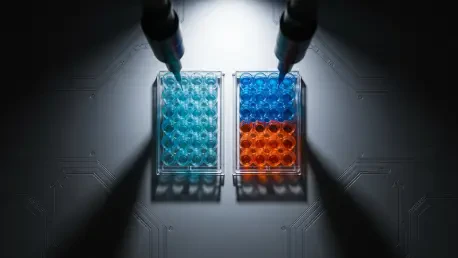
The traditional image of a scientist tethered to a laboratory bench with a pipette and a manual notebook has rapidly evolved into a scenario where researchers manage complex experiments via high-speed internet connections and sophisticated cloud interfaces. This shift represents a fundamental

Ivan Kairatov is a leading figure in biopharmaceutical research, specializing in the intersection of molecular oncology and translational medicine. With a career dedicated to deciphering the metabolic vulnerabilities of treatment-resistant tumors, he has become a key voice in the development of
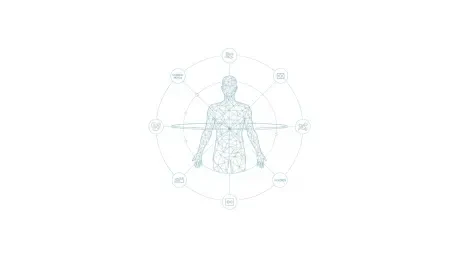
Clinicians have long faced the daunting challenge of synthesizing disparate fragments of patient information into a single, coherent diagnostic picture that accounts for both biology and lifestyle. As of now, the emergence of multimodal foundation models is finally bridging these gaps with