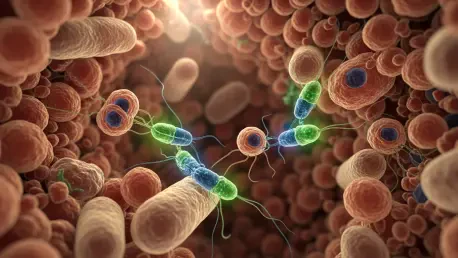

The intricate and vastly complex machinery of the human immune system relies far more on the microscopic inhabitants of the digestive tract than on the expensive genetic modifications that frequently dominate contemporary pharmaceutical headlines. While the global medical community typically prioritizes direct cellular engineering to combat malignancy, evidence suggests that the secret to surviving a life-threatening tumor may actually reside within the trillions of bacteria currently residing in the human gut. This realization comes at a critical juncture in oncological history, particularly as researchers grapple with the reality that standard immunotherapy often fails to elicit a response in a significant majority of patients.
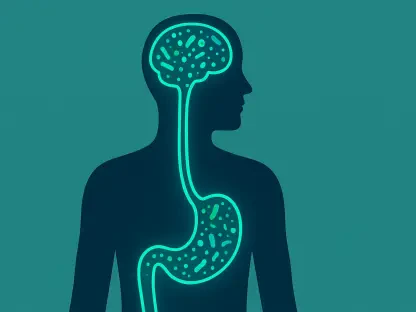
The discovery of the gut-immune axis has provided a revolutionary framework for understanding why some individuals succumb to cancer while others, with seemingly identical diagnoses, transform from non-responders into long-term survivors. This shift represents a move away from viewing the microbiome as a general indicator of wellness toward treating it as a precision instrument for clinical intervention. By identifying the specific metabolic pathways that prime the immune system, medical science is now uncovering a biological blueprint that dictates how effectively a patient can fight off metastatic cells. This analysis explores the deepening transition into the era of precision microbiome medicine, where the focus remains on the functional outputs of our internal bacterial residents.
The Shift Toward Microbiome-Augmented Oncology
Tracking the Transition From Correlation to Causation in Microbial Research
The landscape of oncology is undergoing a fundamental transformation as recent data published in Cell Reports Medicine provides the first concrete evidence that bacterial metabolites directly influence immune responses to malignant tumors. For years, the scientific community observed correlations between diverse gut populations and health outcomes, yet the underlying mechanisms remained elusive and largely speculative. Today, trends in oncology are shifting decisively away from broad-spectrum probiotics toward the identification of highly specific microbial strains, such as Bacteroides uniformis, which appear to dictate the ultimate efficacy of immune checkpoint inhibitors.
Analysis of human clinical samples further confirms that patients who respond successfully to modern therapy possess higher concentrations of specific enzymes required for metabolic priming. It is no longer sufficient to merely possess a high volume of bacteria; the presence of specific genetic machinery within those microbes is what enables the body to weaponize its immune defenses. This metabolic activity functions as a biological switch, determining whether a patient’s T-cells will remain dormant or actively engage with a growing tumor. Consequently, diagnostic protocols are beginning to incorporate microbial sequencing to predict treatment success before the first dose of chemotherapy or immunotherapy is ever administered.
Real-World Applications: The Rise of Metabolite-Driven Therapy
To move beyond theory, researchers have turned to sophisticated modeling systems, where the Nebraska Gnotobiotic Mouse Program serves as a benchmark for isolating specific bacterial functions in sterile environments. By utilizing germ-free subjects, scientists can introduce individual microbial strains to observe their isolated effects on the immune system without the interference of a complex, pre-existing ecosystem. Case studies in melanoma research demonstrate that the mere presence of bacteria is insufficient for therapeutic gain; the bacteria must actively convert the amino acid tryptophan into indoles to suppress tumor growth effectively.
Biotechnology companies are now focusing on knockout experiments to ensure that microbial treatments provide functional, metabolic benefits rather than just temporary colonization. These experiments involve removing specific genes from beneficial bacteria to prove that, without the ability to produce indoles, the anti-tumor effect disappears entirely. This level of precision ensures that future therapies are designed around the actual chemical products of the bacteria rather than the bacteria themselves. This focus on functional agents represents a significant departure from older microbial theories, prioritizing the metabolic output that bridges the gap between the gut lining and the systemic immune response.
Expert Insights on the Gut-Immune Axis
Leading researchers, including Ze’ev Ronai and Amanda Ramer-Tait, suggest that the human microbiome functions as a secondary metabolic organ that is absolutely essential for pharmaceutical efficacy. In this view, the gut is not simply a site for digestion but a sophisticated chemical processing plant that modifies the systemic environment to support or hinder medical interventions. Industry consensus indicates that the future of oncology will necessarily move beyond the tumor itself to manage the patient’s entire internal ecosystem. By viewing the body as an integrated network of human and microbial cells, clinicians can develop strategies that optimize the internal landscape for maximum therapeutic impact.
Experts frequently highlight the immense challenge of identifying functional agents among the thousands of different metabolites produced by the microbiome. The discovery of indoles as the biological bridge between the gut and the immune system provides a clear target for intervention, but it also hints at a much larger library of undiscovered chemical messengers. Identifying which specific metabolites act on which immune pathways remains the primary objective of current clinical trials. There is a growing understanding that managing these metabolic bridges will become as important as the oncology drugs themselves, as the drugs often require these microbial co-factors to function at their highest capacity.
The Future of Precision Microbiome Therapeutics
The development of live biotherapeutics marks a significant shift in how doctors might soon prescribe beneficial microbes. Instead of generic supplements, patients could receive standardized doses of specific bacteria, such as B. uniformis, administered as a high-potency companion to traditional immunotherapy. These living drugs would be carefully selected for their metabolic profile, ensuring they can survive the journey through the digestive tract and begin producing the necessary indoles to support immune function. This approach treats the microbiome as a dynamic, tunable component of the patient’s healthcare regimen, allowing for real-time adjustments based on the patient’s unique internal chemistry.
Furthermore, a shift toward dietary substrate strategies is emerging, where the focus lies on feeding the microbiome through precise tryptophan-rich dietary regimens to stimulate natural indole production. Rather than introducing new bacteria, this method optimizes the performance of the existing microbial population by providing the raw materials needed for metabolic success. Additionally, researchers are exploring direct metabolite pharmacotherapy, which involves bypassing the bacteria entirely and delivering beneficial metabolites directly to the patient to enhance immunity. This would provide a more consistent and predictable therapeutic effect, navigating the inherent complexity of bacterial colonization and individual patient variability that often complicates live microbial treatments.
Expanding these findings from melanoma to a wide array of cancers could potentially revolutionize the standard of care for millions of patients worldwide. If the gut-immune axis proves to be a universal regulator of anti-tumor activity, then microbiome management could become a foundational element of treatment for lung, breast, and colorectal cancers as well. However, significant challenges remain, particularly in navigating the regulatory hurdles of classifying live microorganisms as pharmaceutical-grade drugs. Ensuring consistent colonization and managing the diverse reactions of different patient populations will require years of rigorous clinical validation and a new framework for medical oversight.
Conclusion: A New Era of Personalized Cancer Care
The identification of the Bacteroides uniformis-tryptophan-indole pathway marked a landmark shift toward targeted, functional microbiome intervention. The medical community moved toward a paradigm where microbiology was integrated into standard diagnostic workups, allowing for the creation of microbiome-augmented therapies that tailored treatments to the unique metabolic output of each patient. This transition prioritized the actual biological function of gut residents over their mere presence, ensuring that the immune system received the specific chemical signals required to identify and dismantle malignant cells.
The targeted manipulation of these microscopic inhabitants was no longer viewed as a fringe science; it became the established frontier in the fight to make cancer a manageable and ultimately curable condition. Researchers successfully bridged the gap between the gut ecosystem and systemic immunity, providing a roadmap for future interventions that transcended traditional drug delivery. By focusing on the metabolic bridges created by the microbiome, the healthcare industry secured a more comprehensive understanding of human health, paving the way for a future where the body’s internal inhabitants worked in perfect harmony with modern medical technology.