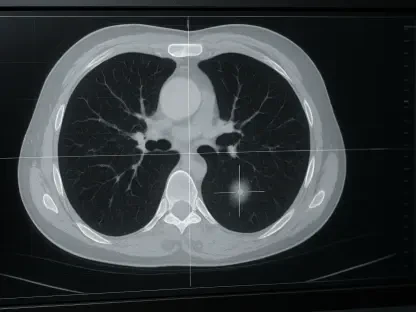

Modern medical facilities are no longer satisfied with simply reacting to patient symptoms after they manifest because the integration of high-level predictive analytics has fundamentally transformed the standard of care from reactive to proactive intervention. This evolution represents a massive shift in how public health needs are forecasted, allowing hospital administrators to anticipate outbreaks or chronic disease spikes before they overwhelm the regional infrastructure. By analyzing vast datasets, clinicians can identify subtle patterns that precede major health events, ensuring that resources are allocated where they will do the most good. This predictive capability is not just about clinical outcomes; it extends to the operational health of the institution itself. Decision-makers now rely on a blend of data from diverse sources to navigate the complex landscape of modern medicine. Moving beyond basic electronic health records, the industry is embracing a future where every data point serves as a beacon for better outcomes.
However, the path to achieving this level of foresight is frequently blocked by fragmented records and the persistent problem of data silos that keep vital information trapped in disconnected systems. Much of the world’s medical knowledge still resides in “cold storage,” which includes scanned paper documents, outdated fax transmissions, and legacy software that does not communicate with modern platforms. To create a unified and comprehensive patient history, organizations must prioritize the process of data normalization, ensuring that information from diverse sources is logical, clean, and readily accessible for deep analysis. Without this standardization, even the most advanced algorithms will fail to provide accurate insights due to the “garbage in, garbage out” principle. Effective normalization involves converting unstructured notes into structured data that machines can interpret without losing the clinical context. As health systems work to bridge these digital divides, they create a foundation upon which more sophisticated technological applications can be built to aid patients.
1. The Data Lakehouse: Establishing Global Interoperability
Utilizing advanced platforms such as Oracle Cloud Infrastructure (OCI) allows healthcare providers to finally make sense of the massive volumes of electronic transactions and clinical transcriptions generated daily. These cloud-based lakehouse architectures provide the necessary scale to ingest unstructured data and apply natural language processing to extract meaningful clinical context. By centralizing disparate data streams, OCI enables a more holistic view of the patient journey, moving beyond a simple list of diagnoses to a nuanced understanding of social determinants of health and lifestyle factors. This technological shift is essential for interpreting the nuances of patient interactions that were previously lost in the noise of digital bureaucracy. When electronic transactions are analyzed in real-time, administrators can pinpoint bottlenecks in patient flow or identify sudden shifts in medication efficacy across broad populations. The result is a dynamic environment where data is not just stored but is actively working to improve the delivery of services.
Revitalizing historical information is another critical function of the data lakehouse, as it combines legacy records including genomics, IoT sensor logs, and inventory levels with real-time clinical data to strengthen predictive modeling. This synthesis of the old and the new provides a longitudinal perspective that is vital for long-term health management and identifying rare disease patterns over several years. While the aggregation of such sensitive information offers immense benefits, it also necessitates the highest standards for data sovereignty and rigorous security protocols. Modern analytics platforms must utilize anonymized data sets to advance clinical research while simultaneously building and maintaining patient trust through transparency. Ensuring that privacy is baked into the technical architecture allows researchers to push the boundaries of medical science without compromising individual rights. By safeguarding data against unauthorized access while keeping it fluid for legitimate use, institutions can balance the need for innovation with the ethical obligation to protect identity.
2. Strategic Implementation: Steps for Advanced Analytical Integration
To successfully integrate sophisticated analytical tools into a clinical environment, organizations should first pick a target area for enhancing results by choosing a specific department or clinical outcome where there is room for significant growth. Once a focal point is established, the next logical step is to pinpoint weaknesses in current workflows and patient care to identify the exact parts of the process that are underperforming or creating friction. Merely identifying these gaps is insufficient; leadership must utilize change management strategies to bridge those deficiencies by applying structured organizational methods to fix the identified problems. This involves more than just a software update; it requires a shift in the institutional culture to embrace data-driven decision-making. Furthermore, it is essential to apply these change management techniques specifically in the divisions where they will have the greatest impact, focusing efforts on departments that provide the most significant value. Concentration of resources on high-impact areas allows institutions to build the momentum for broad adoption.
Achieving technical readiness requires an organization to gain a deep understanding of its data origins, quality levels, and technical frameworks by meticulously cataloging every data source and the specific languages or coding they use. This technical audit ensures that the analytical tools are being fed high-quality information that reflects the true state of the facility. Simultaneously, medical institutions must cultivate expertise in data science and modern AI/ML healthcare tools by either training existing staff or hiring specialists to manage these complex medical technologies. Having a team that understands both the clinical nuances and the mathematical models is vital for ensuring that insights are translated into actionable medical interventions. Finally, organizations should leverage analytics platforms that address specific issues and boost overall success by selecting technology that fixes existing gaps while improving patient outcomes across the board. This holistic approach ensures that the investment in technology yields a measurable return in both fiscal health and patient wellness for years.
3. Future Clinical Operations: Enhancing Care and Efficiency
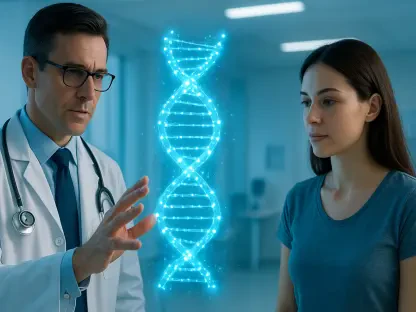
One of the most immediate benefits of advanced healthcare analytics is the potential to significantly reduce provider burnout by using AI to predict patient surges, such as during flu season, to manage staffing more effectively. When hospital leaders can anticipate high-traffic periods weeks in advance, they can adjust schedules to prevent overworking clinicians, which directly correlates to a higher quality of patient care. Beyond operational efficiency, these tools are driving the expansion of precision medicine, moving the industry away from a “one-size-fits-all” approach to tailored treatments based on shared health criteria and individual genetic profiles. By grouping patients with similar biomarkers or environmental exposures, clinicians can prescribe the most effective therapies from the start, avoiding the trial-and-error method that often plagues chronic disease management. This shift toward individualized care not only improves the patient experience but also optimizes the use of expensive specialty drugs and diagnostic tests for more equitable access to life-saving healthcare.
The movement toward equitable and efficient care reached a critical milestone as automated insights at the point of care lowered overhead costs while simultaneously increasing the overall quality of medical interventions. By breaking down the final silos between departments, the industry reached a state where the right data reached the right person at the exact moment it was needed to make a life-saving decision. Organizations that successfully navigated this transition focused on actionable next steps, such as establishing permanent cross-functional data governance committees to oversee the ongoing integrity of their information ecosystems. These entities provided solutions for maintaining interoperability as new technologies emerged, ensuring that the infrastructure remained resilient against shifts in medical science. Looking ahead, the focus shifted toward expanding these analytical frameworks to include community-level data, which addressed the social determinants of health before patients even entered the system. This integration functioned as a fundamental reimagining of care delivery.